

CPD Accredited
-
(4.7)★ ★ ★ ★ ★★ ★ ★ ★ ★
-
 6 Students
-
.png) 1 Year
1 Year
-
 Intermediate
-
.png) 1 day, 10 hours
1 day, 10 hours
Get This Course And 2200+ Others For Only £49. ORDER NOW
Overview of The Nursing Home Management with Care Certificate Course:
This Nursing Home Management with Care Certificate course has been carefully developed to provide learners with a well-structured learning experience. Each module is designed to build foundational knowledge and gradually introduce more advanced concepts to ensure complete understanding. Whether you're aiming to start a new career, expand your knowledge, or upskill for professional growth, this course offers a flexible learning journey suitable for all. With flexible study options, you can learn at your own pace, from anywhere, using any device. The content is accessible online and is developed to help you stay focused, motivated, and prepared for both personal and professional development.Learning Outcomes of Nursing Home Management with Care Certificate Course:
By the end of this course, you will be able to:- Understand the core concepts and theoretical frameworks of the subject
- Identify key issues and apply knowledge to a variety of situations
- Demonstrate improved critical thinking and decision-making abilities
- Analyse information relevant to the Nursing Home Management with Care Certificate course topic
- Strengthen your personal and professional development goals
- Obtain a CPD-accredited certificate to validate your achievement
This Nursing Home Management with Care Certificate Course Package Includes:
- Comprehensive lessons and training provided by experts on Nursing Home Management with Care Certificate
- Interactive online learning experience at your convenience
- 24/7 Access to the course materials and learner assistance
- Easy accessibility from any smart device (Laptop, Tablet, Smartphone etc.)
- A happy and handy learning experience for the professionals and students
- 100% learning satisfaction, guaranteed by Compliance Central
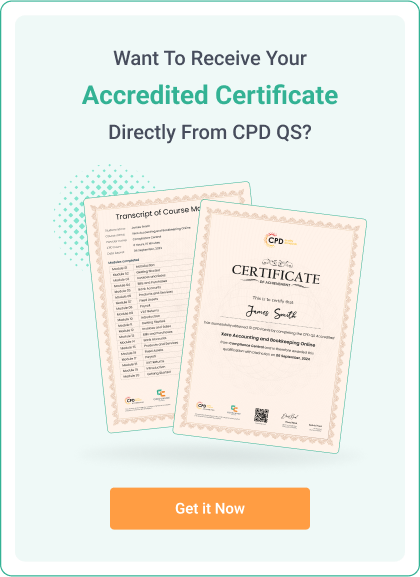
How will I Get My Nursing Home Management with Care Certificate Certificate?
You may be required to complete a quiz or a written test online during or after the Nursing Home Management with Care Certificate course. Once you have successfully passed the assessment, you will be eligible to order your accredited certificate. This certificate is recognised by CPD and can help you to improve your CV and career prospects.Who is This Course For?
There are no prior qualifications or experience required to enrol in this Nursing Home Management with Care Certificate course. It is open to anyone interested in expanding their knowledge and is suitable for learners from all academic and professional backgrounds. Whether you are starting or seeking to enhance existing knowledge, this course is accessible and beneficial.Career Paths:
Completing this Nursing Home Management with Care Certificate course will support your career development by enhancing your knowledge and increasing your versatility in a competitive job market. This qualification can help you to:- Open doors to new career opportunities
- Improve your adaptability in various roles
- Stay relevant in a rapidly evolving industry
- Gain confidence to pursue further education or responsibilities
- Develop transferable skills for diverse job functions
- Strengthen your CV with a recognised certificate
Course Currilcum
-
- Module1: Introduction to Nursing 00:15:00
- Module 2: Working in Different Healthcare Settings 00:13:00
- Module 3: Understanding legal, professional standards of practice and ethical aspects of health care- Part 1 00:50:00
- Module 4: Understanding legal, professional standards of practice and ethical aspects of health care- Part 2 00:48:00
- Module 5: Effective Communication in Nursing 00:45:00
- Module 6: Health and Safety in Nursing 00:45:00
- Module 7: Hygiene in Nursing 00:28:00
- Module 8: Infection Control 00:58:00
- Module 9: Asepsis in Nursing 00:14:00
- Module 10: Medication Administration in Nursing 00:16:00
- Module 11: Adult Care in Different Life Stages 00:15:00
- Module 12: Understanding Immune System in Nursing 00:26:00
- Module 13: Rest and Sleep Management in Nursing 00:17:00
- Module 14: Mobility and Immobility Issues of Patients in Nursing 00:15:00
- Module 15: Pain Management for Nurses 00:23:00
- Module 16: Nutrition in Nursing 00:22:00
- Module 17: Fluid and Electrolyte Balance 00:21:00
- Module 18: Assisting with Elimination 00:27:00
- Module 19: Oxygenation in Nursing 00:28:00
-
- Module 1: Introduction to Health and Social Care 00:16:00
- Module 2: Communication and its Relevance 00:48:00
- Module 3: Rights and Responsibilities as a Health and Social Care Worker 00:39:00
- Module 4: Role as A Caregiver and Healthcare Professional 00:23:00
- Module 5: Working in Health and Social Care; Promoting Equality, Diversity and Rights 00:46:00
- Module 6: Important Principles and Policies in Health and Social Care Work 00:20:00
- Module 7: Safeguarding Vulnerable Individuals 00:49:00
- Module 8: Health and Safety Responsibilities 00:51:00
- Module 9: Risk Management in Health and Social Care 00:30:00
- Identify Sources of Support for Own Learning and Development 00:16:00
- Skills That Healthcare Professionals Need 00:17:00
- Understanding Diversity 00:14:00
- Discrimination that can be Deliberately or Unintentional 00:16:00
- legislation and codes of practice relating to equality 00:15:00
- Respecting individuals’ beliefs, culture, values and preferences 00:14:00
- Sources of Information for Diversity, Equality, and Inclusion 00:15:00
- Different Ways that People Communicate 00:12:00
- Why it is important to observe and be receptive to an individual 00:12:00
- Establishing an Individual’s Communication and Language Needs, Wishes ans preferences 00:14:00
- Barriers to Effective Communication 00:15:00
- How to Check whether the Health Care Support Worker and Adult Social Care 00:13:00
- What Is Confidentiality 00:13:00
- The Use of Appropriate Verbal and Non-Verbal Communication 00:16:00
- Communication Aids 00:16:00
- Ensuring drinks are within reach of those that have restrictions on their movement 00:15:00
- Ensuring That Any Nutritional Products Are Within Reach of Those That Have Restrictions on Their Movement 00:14:00
- Safeguarding Adults 00:17:00
- Types of Abuse 00:15:00
- Defining Harm 00:16:00
- Indicators of Abuse 00:17:00
- Factors Which have Featured in Adult Abuse and Neglect 00:14:00
- How Care Environments can Promote and Undermine People’s Dignity and Rights 00:18:00
- Reducing the Likelihood of Abuse with Risk Enablement and Management 00:19:00
- Appropriate Actions to take When Abuse is Suspected 00:15:00
- Legislation, Local and National Policies and Procedures Related to Safeguarding Adults 00:15:00
- The Importance of Sharing Information with the Relevant Agencies 00:16:00
- Basic Life Support (BLS) 00:14:00
- Agreed ways of working and legislation regarding the recording, storing and sharing of Information 00:15:00
- Importance to Have Secure Systems for Recording, Storing and Sharing Information 00:13:00
- How to Keep Records That Are Up to Date, Complete, Accurate and Legible 00:13:00
- Order Your CPD Certificate 00:00:00





Student Reviews
Ben lim
Gaining improve knowledge in the construction project management and the course is easy to understand.
Mr Brian Joseph Keenan
Very good and informative and quick with marking my assignments and issuing my certificate.
Sarah D
Being a support worker I needed add a child care cert in my portfolio. I have done the course and that was really a good course.
Sam Ryder
The first aid course was very informative with well organised curriculum. I already have some bit and pieces knowledge of first aid, this course helped me a lot.
Ben lim
Gaining improve knowledge in the construction project management and the course is easy to understand.
Thelma Gittens
Highly recommended. The module is easy to understand and definitely the best value for money. Many thanks
BF Carey
First course with Compliance Central. It was a good experience.
Course Currilcum
-
- Module1: Introduction to Nursing 00:15:00
- Module 2: Working in Different Healthcare Settings 00:13:00
- Module 3: Understanding legal, professional standards of practice and ethical aspects of health care- Part 1 00:50:00
- Module 4: Understanding legal, professional standards of practice and ethical aspects of health care- Part 2 00:48:00
- Module 5: Effective Communication in Nursing 00:45:00
- Module 6: Health and Safety in Nursing 00:45:00
- Module 7: Hygiene in Nursing 00:28:00
- Module 8: Infection Control 00:58:00
- Module 9: Asepsis in Nursing 00:14:00
- Module 10: Medication Administration in Nursing 00:16:00
- Module 11: Adult Care in Different Life Stages 00:15:00
- Module 12: Understanding Immune System in Nursing 00:26:00
- Module 13: Rest and Sleep Management in Nursing 00:17:00
- Module 14: Mobility and Immobility Issues of Patients in Nursing 00:15:00
- Module 15: Pain Management for Nurses 00:23:00
- Module 16: Nutrition in Nursing 00:22:00
- Module 17: Fluid and Electrolyte Balance 00:21:00
- Module 18: Assisting with Elimination 00:27:00
- Module 19: Oxygenation in Nursing 00:28:00
-
- Module 1: Introduction to Health and Social Care 00:16:00
- Module 2: Communication and its Relevance 00:48:00
- Module 3: Rights and Responsibilities as a Health and Social Care Worker 00:39:00
- Module 4: Role as A Caregiver and Healthcare Professional 00:23:00
- Module 5: Working in Health and Social Care; Promoting Equality, Diversity and Rights 00:46:00
- Module 6: Important Principles and Policies in Health and Social Care Work 00:20:00
- Module 7: Safeguarding Vulnerable Individuals 00:49:00
- Module 8: Health and Safety Responsibilities 00:51:00
- Module 9: Risk Management in Health and Social Care 00:30:00
- Identify Sources of Support for Own Learning and Development 00:16:00
- Skills That Healthcare Professionals Need 00:17:00
- Understanding Diversity 00:14:00
- Discrimination that can be Deliberately or Unintentional 00:16:00
- legislation and codes of practice relating to equality 00:15:00
- Respecting individuals’ beliefs, culture, values and preferences 00:14:00
- Sources of Information for Diversity, Equality, and Inclusion 00:15:00
- Different Ways that People Communicate 00:12:00
- Why it is important to observe and be receptive to an individual 00:12:00
- Establishing an Individual’s Communication and Language Needs, Wishes ans preferences 00:14:00
- Barriers to Effective Communication 00:15:00
- How to Check whether the Health Care Support Worker and Adult Social Care 00:13:00
- What Is Confidentiality 00:13:00
- The Use of Appropriate Verbal and Non-Verbal Communication 00:16:00
- Communication Aids 00:16:00
- Ensuring drinks are within reach of those that have restrictions on their movement 00:15:00
- Ensuring That Any Nutritional Products Are Within Reach of Those That Have Restrictions on Their Movement 00:14:00
- Safeguarding Adults 00:17:00
- Types of Abuse 00:15:00
- Defining Harm 00:16:00
- Indicators of Abuse 00:17:00
- Factors Which have Featured in Adult Abuse and Neglect 00:14:00
- How Care Environments can Promote and Undermine People’s Dignity and Rights 00:18:00
- Reducing the Likelihood of Abuse with Risk Enablement and Management 00:19:00
- Appropriate Actions to take When Abuse is Suspected 00:15:00
- Legislation, Local and National Policies and Procedures Related to Safeguarding Adults 00:15:00
- The Importance of Sharing Information with the Relevant Agencies 00:16:00
- Basic Life Support (BLS) 00:14:00
- Agreed ways of working and legislation regarding the recording, storing and sharing of Information 00:15:00
- Importance to Have Secure Systems for Recording, Storing and Sharing Information 00:13:00
- How to Keep Records That Are Up to Date, Complete, Accurate and Legible 00:13:00
- Order Your CPD Certificate 00:00:00