

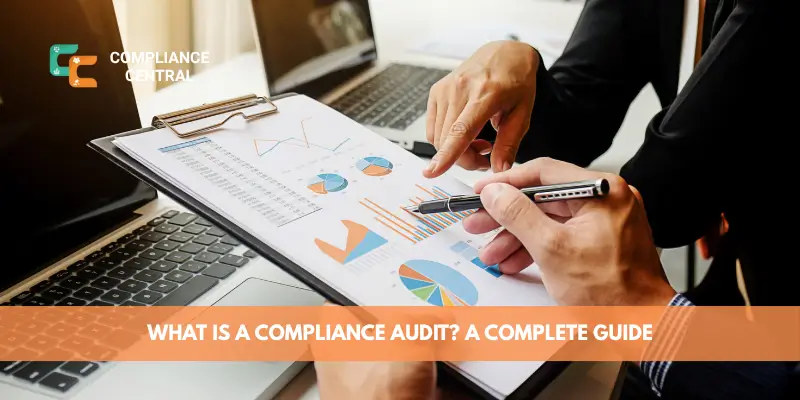
In today’s highly regulated business environment, compliance is no longer optional. Organisations must follow legal requirements, industry regulations, and internal policies to avoid financial penalties, reputational damage, and operational disruption. A compliance audit is one of the most effective tools for checking whether these obligations are being met.
A compliance audit systematically reviews an organisation’s processes, records, and activities against relevant standards. It helps identify regulatory gaps, control weaknesses, and areas requiring improvement while supporting accountability, transparency, and ethical operations. These audits may cover financial reporting, data privacy, cybersecurity, employment practices, health and safety, and other important business areas.
This guide explains what a compliance audit is, why it matters, and how the audit process works. It also covers different audit types, key steps, useful checklists, common challenges, best practices, and frequently asked questions. The information is suitable for professionals, students, and organisations seeking to strengthen their compliance systems.
Table of Contents
Internal Audit Training Course for just £11.99
Today!
You won’t find this deal anywhere else!
Take The CourseUse Coupon Code:
Use this coupon at Checkout
What Is a Compliance Audit?
A compliance audit is a structured and independent evaluation of an organisation’s activities, processes, records, policies, and controls. Its purpose is to determine whether the organisation is following relevant laws, regulatory requirements, industry standards, contractual obligations, and internal procedures. Auditors review evidence such as policies, financial records, training documents, licences, contracts, system logs, and operational reports to assess whether compliance requirements are being met consistently.
Unlike a general internal audit, which may examine financial accuracy, operational efficiency, or business performance, a compliance audit focuses specifically on adherence to established rules and standards. The scope may cover areas such as data protection, financial reporting, anti-money laundering, workplace safety, cybersecurity, employment law, environmental responsibilities, or sector-specific regulations. The audit may be conducted by internal auditors, independent external specialists, or regulatory authorities.
Compliance audits help organisations identify policy gaps, weak controls, outdated procedures, and possible violations before they become serious problems. They also provide management with clear findings and recommendations for corrective action. By conducting regular compliance audits, organisations can reduce legal and financial exposure, strengthen accountability, protect stakeholder trust, and demonstrate that they operate responsibly and ethically.
Key Purpose of Compliance Audits
The main objectives of a compliance audit include:
- Verifying adherence to internal policies and procedures.
- Ensuring compliance with regulatory laws and industry standards.
- Identifying areas of risk or potential violation.
- Preventing financial, legal, or reputational penalties.
- Promoting an ethical and transparent organizational culture.
Who Performs a Compliance Audit?
Compliance audits can be conducted by:
- Internal Auditors – Employees trained in auditing who assess adherence to internal policies.
- External Auditors – Independent third-party auditors who bring an objective perspective.
- Regulatory Bodies or Inspectors – Government or industry regulators who check compliance with specific regulations.
- Specialized Compliance Teams – Internal teams dedicated to maintaining compliance across various departments.
- Third-Party Consultants – External experts providing specialized auditing services for complex compliance requirements.
Compliance Audit vs Internal Audit
While both audits evaluate organizational processes, the difference lies in focus:
| Aspect | Compliance Audit | Internal Audit |
|---|---|---|
| Focus | Regulatory and internal policy adherence | Operational, financial, and efficiency aspects |
| Scope | Specific rules and regulations | Broader operational, financial, or risk areas |
| Purpose | Ensure legal and ethical compliance | Improve internal processes and controls |
| Reporting | Compliance gaps and regulatory risks | Operational efficiencies and internal control effectiveness |
Types of Compliance Audits

Organizations conduct compliance audits in multiple domains, depending on their industry and operational needs. Here are the most common types:
1. Financial Compliance Audits
Focus on accounting practices, financial reporting, and adherence to tax and financial regulations. Ensures accuracy and legality in financial operations.
Key Focus Areas:
- Ledger and accounts verification
- Tax compliance
- Fraud prevention
- Reporting accuracy
2. Regulatory Compliance Audits
Verify adherence to laws such as GDPR, HIPAA, SOX, AML, or industry-specific regulations. This ensures the organization meets external legal requirements.
3. IT & Cybersecurity Audits
Evaluate IT systems for security, data privacy, access control, and cybersecurity risks. Critical in the digital era where data breaches can result in severe penalties.
4. Operational Compliance Audits
Assess processes and workflows to ensure operational efficiency while complying with internal and external regulations.
5. Environmental, Social & Governance (ESG) Audits
Review sustainability initiatives, corporate social responsibility, and governance policies to ensure ethical and responsible operations.
6. Health and Safety Audits
Evaluate workplace safety compliance with regulations like OSHA. Essential to protect employees and avoid legal penalties.
7. Third-Party & Vendor Audits
Ensure suppliers and vendors comply with contractual, legal, and regulatory obligations.
Steps of a Compliance Audit
Compliance audits follow a structured process to ensure accurate, reliable, and actionable outcomes. Most audits are executed in seven key steps:
Step 1: Planning the Audit
The first step involves defining the scope, objectives, and timeline. Key stakeholders are identified, and areas of high compliance risk are prioritized.
Example: A financial services company planning a GDPR compliance audit will focus on data processing, consent management, and storage practices.
Step 2: Pre-Audit Preparation
Before starting, auditors review internal policies, legal requirements, and previous audit reports. Staff training and preparation are essential to facilitate a smooth audit process.
Step 3: Risk Assessment
Auditors identify potential compliance risks by reviewing processes, documentation, and operational workflows. Risk assessment helps determine which areas require closer scrutiny.
Step 4: Evidence Collection
Auditors collect documents, conduct interviews, and perform operational assessments. Employee shadowing or observation may also be used to validate compliance practices.

Step 5: Audit Execution
Auditors systematically assess the organization’s adherence to rules and policies. Observations, discrepancies, and violations are recorded for further analysis.
Step 6: Reporting
Audit findings are compiled into a report detailing compliance gaps, risks, and actionable recommendations. Reports are shared with management and relevant stakeholders.
Step 7: Follow-Up & Remediation
The final step involves implementing corrective actions, tracking improvements, and continuous monitoring to ensure that non-compliance issues are resolved.
Example: An IT compliance audit might reveal inadequate password policies. Management implements stricter password protocols and schedules regular monitoring to prevent breaches.
Compliance Audit Checklist
To conduct an effective audit, organizations can follow a compliance checklist covering critical areas:
- Regulatory Context – Verify legal and regulatory requirements.
- Policies and Procedures – Ensure alignment with rules.
- Risk Management – Evaluate control measures and risk mitigation.
- Data & IT Security – Review access control, cybersecurity, and privacy policies.
- Financial Audits – Examine financial statements and reporting.
- HR Compliance – Assess employee behavior and adherence to HR policies.
- Vendor & Third-Party Compliance – Review contractual obligations and standards.
- Incident Response – Check procedures for handling violations or breaches.
- Compliance Reporting – Ensure documentation and reporting mechanisms are in place.
Why Compliance Audits Are Important
Common Challenges in Compliance Audits
Despite their importance, organizations face challenges during audits:
- Data Management Issues – Inaccurate, incomplete, or inconsistent data can delay the audit.
- Employee Resistance – Staff may be reluctant to participate or disclose information.
- Cross-Border Compliance Complexity – Different regions have varying regulations.
- Manual Processes – Time-consuming processes reduce audit efficiency.
- Technology Limitations – Inadequate tools may prevent automated tracking or reporting.
Best Practices for a Successful Compliance Audit
➽ Maintain Accurate and Organised Documentation – Policies, licences, contracts, training records, risk assessments, incident reports, and previous audit findings should be current and easily accessible. Well-organised evidence allows auditors to verify compliance more efficiently and reduces disruption to normal operations.

Conclusion
Compliance audits are essential for organizations to maintain regulatory adherence, operational efficiency, and ethical standards. By systematically reviewing policies, processes, and records, audits help organizations identify risks, prevent violations, and strengthen stakeholder trust.
Whether it’s financial reporting, cybersecurity, health and safety, or regulatory compliance, the audit process provides actionable insights that drive improvement and accountability.
If you’re serious about building a career in compliance and risk management or improving your organization’s compliance operations, consider our Diploma in Compliance and Risk Management. This course offers comprehensive training on Compliance Audits, Risk Management Processes, Compliance Management Systems, Ethics, and Internal Audits, preparing you to excel in the growing field of compliance and risk management. Equip yourself with the skills and knowledge to handle audits confidently, mitigate risks, and ensure organizational integrity.
Frequently Asked Questions (FAQ)
A compliance audit evaluates adherence to laws, regulations, and internal policies. It is crucial to prevent legal penalties, mitigate risks, and maintain ethical operations.
The frequency depends on industry regulations, organizational risk levels, and past audit findings. Some organizations conduct audits annually, while high-risk sectors may require quarterly reviews.
Compliance audits focus on legal, regulatory, and policy adherence. Internal audits evaluate operational efficiency, financial accuracy, and process improvements.
Internal auditors, external auditors, regulatory inspectors, specialized teams, or third-party consultants.
Organizations may face fines, legal action, reputational damage, operational disruption, and increased regulatory scrutiny.
Build a strong compliance team, gather documentation, train staff, review regulations, and perform internal audits before the official review.
Financial, regulatory, IT & cybersecurity, operational, ESG, health & safety, vendor/third-party audits.
Findings, risk assessment, non-compliance issues, recommendations, and action plans for remediation.
The duration depends on the organisation’s size, industry, audit scope, and document availability. A limited audit may take a few days, while a complex regulatory audit can continue for several weeks or months.
Auditors may request policies, procedures, licences, training records, financial reports, risk assessments, incident logs, contracts, employee records, and previous audit reports. The exact documents depend on the regulation and audit scope.

Related Blogs




Course Categories
- Workplace Safety
- Travel
- Training
- Therapy
- Technology
- Teaching and Education
- Teaching and Academics
- Teaching
- Stress Management
- Sports
- Safeguarding
- QLS Endorsed
- Public Speaking
- Psychology
- Project Management
- Philosophy
- Personal Development
- Nutrition & Diet
- Mental Health
- Marketing
- Management
- Lifestyle
- Leadership
- Law
- Language
- IT and Software
- Interpersonal Communication
- Hospitality
- Healthcare
- Health and Social Care
- Health and Safety
- Health and Fitness
- Hazard Awareness
- Forensic Science
- Food Safety
- Food Hygiene
- Food & Beverage
- First Aid
- Fire Safety
- Fashion Design
- Fashion
- Environment
- Entrepreneurship
- Engineering
- Employability
- Electronics
- Electrical Safety
- Education
- Development
- Design
- Data Science
- Counselling
- Cooking
- Construction
- Communication
- Cleaning
- Child Psychology
- Child Care
- Business Skills
- Business Skill
- Business
- Awareness
- Assertiveness
- Animal Care
- Agriculture
- Accounting and Finance