


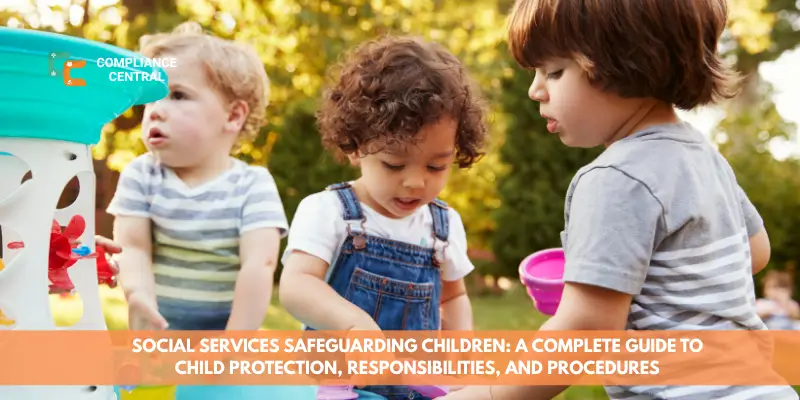
Safeguarding children is one of the most important responsibilities in any society. Children depend on adults, professionals, and institutions to keep them safe from harm, abuse, neglect, and exploitation. When concerns arise, social services play a central role in safeguarding children, ensuring that appropriate action is taken to protect their welfare.
If you are searching for “social services safeguarding children”, you likely want to understand what social services actually do, when they get involved, and how the safeguarding process works. Many people also want clarity on what happens when a concern is raised, and what support is available for families.
Social services do not only intervene in crisis situations. They also work proactively through early help services, family support, and prevention strategies to reduce risks before harm occurs. Their role is complex, sensitive, and guided by strict legal frameworks and child protection policies. Let’s explore everything in detail.
What Is Social Services Safeguarding Children?
In social care, safeguarding refers to the actions, practices, and responsibilities involved in protecting children from harm while supporting their overall wellbeing. It focuses on creating safe environments where children can grow, develop, and receive the support they need.
Safeguarding helps protect a child’s:
- Physical safety by reducing risks of injury, abuse, or unsafe situations
- Emotional wellbeing by supporting confidence, security, and healthy relationships
- Mental health by recognising concerns and providing appropriate support
- Development and future wellbeing by ensuring children have the care and opportunities they need to thrive
Social services act as a safety net for vulnerable children, ensuring that no child is left in a harmful situation without intervention.
Safeguarding Children Level 3 for just £11.99
Today!
You won’t find this deal anywhere else!
Take The CourseUse Coupon Code:
Use this coupon at Checkout
Meaning of Safeguarding in Social Care
Social services safeguarding children refers to the actions taken by local authority social work teams to protect children from harm and ensure their safety, wellbeing, and development.
It involves:
- Identifying children at risk of abuse or neglect
- Assessing family situations and risks
- Providing support to families
- Taking legal action when necessary
- Working with other agencies like schools, police, and healthcare
Safeguarding is not only about responding when harm has already occurred. It also focuses on prevention by identifying risks early, providing support to families, and taking action to reduce the possibility of harm.
Safeguarding vs Child Protection
Although safeguarding and child protection are closely connected, they have different meanings and purposes.
Safeguarding
Safeguarding is a wider approach that focuses on protecting all children and promoting their overall welfare. It includes:
- Preventing risks before they lead to harm
- Creating safe environments for children
- Supporting healthy development and wellbeing
- Raising awareness among families and professionals
Safeguarding is not only about responding when harm has already occurred. It also focuses on prevention by identifying risks early, providing support to families, and taking action to reduce the possibility of harm.
Child Protection
Child protection is a specific part of safeguarding that focuses on situations where a child may already be experiencing harm or is at serious risk. It involves:
- Responding to serious safeguarding concerns
- Carrying out assessments and investigations
- Working with relevant authorities and professionals
- Taking formal actions to protect the child when required
In simple terms, safeguarding aims to prevent harm, while child protection focuses on responding when a child is at risk.
Why Are Social Services Involved in Safeguarding Children?
Social services are involved because they have a legal duty to protect children who may be at risk of harm.
They step in when:
- A child is believed to be suffering abuse or neglect
- There are concerns about unsafe home environments
- Schools, police, or healthcare professionals raise concerns
- Families need additional support to care for children safely
Early Help Services
Not all cases require immediate child protection action. Many families receive early help, which may include:
- Parenting support
- Mental health support
- Financial or housing assistance
- Behavioural support for children
Early help aims to prevent problems from escalating.
When Social Services Take Action
Social services may become involved if:
- A child is frequently absent from school
- There are signs of neglect or abuse
- Domestic violence is present in the home
- A child expresses fear or distress
- Medical professionals identify concerns
What Are the Responsibilities of Social Services in Child Safeguarding?

Social services have several key responsibilities when safeguarding children.
Child Welfare Assessments
Social workers assess:
- Living conditions
- Parenting capacity
- Child’s emotional and physical wellbeing
- Risk factors in the environment
This helps determine the level of support needed.
Child Protection Investigations
When serious concerns arise, social services may conduct a formal investigation known as a Section 47 enquiry.
This includes:
- Gathering information from multiple sources
- Speaking with the child (if appropriate)
- Visiting the home
- Assessing immediate risk
Working With Other Agencies
Safeguarding is not done alone. Social services collaborate with:
- Schools
- Police
- Healthcare professionals
- Mental health services
- Medical professionals identify concerns
This is known as multi-agency working.
Supporting Families
Social services aim to support families, not just investigate them. Support may include:
- Parenting guidance
- Financial assistance referrals
- Housing support
- Emotional counselling services
What Happens When a Safeguarding Concern Is Reported?
When a safeguarding concern is reported, social services follow a careful and structured process to understand the situation, assess risks, and decide the most appropriate action to protect the child. Each stage helps ensure that children receive the right level of support and protection.
Step 1: Referral
A safeguarding concern can be raised by different people who may notice signs that a child needs support, including:
- Teachers and school staff
- Doctors and healthcare professionals
- Police officers
- Neighbours
- Parents or family members
Once a concern is reported, it is recorded, reviewed, and considered by the appropriate safeguarding team.
Step 2: Initial Assessment
After receiving a referral, social workers carry out an initial assessment to understand the situation. They consider:
- The level of risk to the child
- How urgent the concern is
- Whether immediate action or further support is required
This helps determine the next steps and the level of involvement needed.
Step 3: Child in Need Plan
If a child requires additional support but is not facing immediate danger, a Child in Need Plan may be created.
This may include:
- Developing a support plan based on the child’s needs
- Providing services and guidance to the family
- Regularly reviewing progress and improvements
The aim is to support the child and family while reducing potential risks.
Step 4: Child Protection Plan
If assessments show that a child is at risk of significant harm, a Child Protection Plan may be introduced.
This involves:
- Creating a formal plan to protect the child
- Holding regular safeguarding meetings with professionals
- Closely monitoring the child’s safety and wellbeing
The plan ensures that clear actions are taken to reduce risks.
Step 5: Ongoing Review
Safeguarding cases are reviewed regularly to ensure that the child continues to receive appropriate support.
Reviews help professionals to:
- Monitor changes and progress
- Update support plans when needed
- Ensure the child’s safety remains the main priority
This ongoing approach helps provide long-term protection and support for children.
Types of Abuse Social Services Handle
Social services work with a wide range of safeguarding concerns involving different forms of abuse, neglect, and harm. Their role is to identify risks, support vulnerable children, and take appropriate action to protect their safety and wellbeing.
Physical Abuse
Physical abuse involves any deliberate action that causes injury, pain, or physical harm to a child. This may include behaviours such as hitting, shaking, or other forms of harmful treatment that affect a child’s physical safety.
Emotional Abuse
Emotional abuse refers to actions or patterns of behaviour that negatively affect a child’s emotional development and confidence. This may include constant criticism, humiliation, rejection, intimidation, or a lack of emotional support and care.
Sexual Abuse
Sexual abuse refers to any situation where a child is involved in inappropriate sexual behaviour, contact, or exploitation. Safeguarding aims to protect children from these risks and ensure concerns are identified and addressed properly.
Neglect
Neglect occurs when a child’s essential needs are not consistently provided. This may include inadequate food, shelter, healthcare, supervision, protection, or emotional care required for healthy development.
Effective safeguarding systems help recognise warning signs, respond to concerns, and provide children with the protection and support they need. Without proper safeguarding measures, many children may remain exposed to harm without receiving the help required.
Impact of Domestic Abuse
Children can also be affected by domestic abuse within the home, even if they are not directly involved. Exposure to violence, fear, or unsafe family situations can impact a child’s emotional wellbeing and may require safeguarding support.
Who Is Responsible for Safeguarding Children?

Safeguarding is a shared responsibility involving:
- Social workers
- Teachers and school staff
- Doctors and nurses
- Police officers
- Community members
- Parents and guardians
Everyone plays a role in protecting children.
What Laws Guide Social Services in Safeguarding Children?
Social services follow a range of laws and guidance that help protect children’s safety, rights, and wellbeing. These frameworks define how professionals should respond to safeguarding concerns and work together to support vulnerable children.
Children Act 1989 and 2004
These laws form the foundation of child safeguarding in the UK. They establish duties for local authorities, promote children’s welfare, and require agencies to work together to protect children from harm.
Working Together to Safeguard Children Guidance
This guidance explains how professionals such as social workers, schools, healthcare teams, and police should cooperate when identifying and responding to safeguarding concerns.
Human Rights Act 1998
This ensures that safeguarding actions respect the rights of children and families while allowing appropriate steps to be taken when protection is needed.
Data Protection and Confidentiality Laws
These laws ensure children’s information is handled safely while allowing essential information sharing between professionals when it is necessary to protect a child.
Together, these legal frameworks support effective safeguarding and ensure children’s welfare remains the main priority.
What Is a Child in Need vs Child Protection Case?
Child in Need
A child who:
- Needs additional support
- Is not in immediate danger
- Requires ongoing services
Child Protection Case
A child who:
- Is at risk of significant harm
- Requires urgent intervention
- May need legal protection measures
Importance of Social Services in Safeguarding Children
Social services play a vital role in protecting children from harm and supporting their overall wellbeing. They help identify risks early, provide assistance to vulnerable children, support families facing difficulties, and reduce the chances of abuse or neglect becoming more serious. Through assessments, intervention, and cooperation with other agencies, social services help create safer environments where children can grow and develop.
However, safeguarding work can be challenging. Social workers often deal with complex family situations, heavy workloads, limited resources, and emotionally difficult decisions. Despite these challenges, they continue to provide essential support and take action to protect children who may be at risk.
Challenges Faced by Social Services
Social workers may experience several challenges while carrying out safeguarding responsibilities, including:
- ➽ High Caseloads: Managing many cases at the same time can make it difficult to provide equal attention to every situation.
- ➽ Complex Family Situations: Families may face multiple challenges, such as relationship difficulties, financial pressures, or health concerns, requiring careful support and assessment.
- ➽ Limited Resources: Time, staffing, and available services can sometimes affect how quickly support can be provided.
- ➽ Emotional Stress: Safeguarding work can be emotionally demanding, especially when dealing with serious cases involving children at risk.
- ➽ Difficult Decision-Making: Social workers often need to make complex decisions based on available information while prioritising the child’s safety.
Despite these challenges, social services continue to play a vital role in protecting vulnerable children and supporting families.
How Families Can Work With Social Services
Families play an important role in making safeguarding processes successful. Working openly and cooperatively with social workers, attending meetings, following agreed support plans, and sharing information honestly can help professionals understand the situation and provide the right support.
Positive communication and collaboration between families and social services often lead to better outcomes for children. When everyone works together with the child’s safety and wellbeing as the main priority, it becomes easier to address concerns and create a supportive environment.
Conclusion
Social services play a vital role in safeguarding children, ensuring that vulnerable children are protected, supported, and given the opportunity to grow up in safe environments.
Understanding social services safeguarding children helps clarify how professionals respond to concerns, support families, and prevent harm before it escalates. Their work involves careful assessment, collaboration with other agencies, and a strong commitment to child welfare.
While safeguarding systems can be complex, their purpose is simple: to protect children and ensure their wellbeing at every stage of life.
For professionals working in education, healthcare, or childcare, understanding safeguarding principles is essential. Structured training such as Safeguarding Children Level 3 can help build deeper knowledge of child protection processes, risk identification, and inter-agency working.
Ultimately, safeguarding is a shared responsibility—and social services are a critical part of ensuring every child has the right to safety, care, and protection.
Frequently Asked Questions (FAQ)
Safeguarding protects children from abuse, neglect, and unsafe situations. It also supports their emotional, physical, and social development.
The main purpose of safeguarding is to keep children safe from harm while promoting their wellbeing, rights, and healthy development.
Safeguarding is a shared responsibility involving parents, teachers, healthcare professionals, organisations, and communities. Everyone has a role in protecting children.
Safeguarding focuses on preventing harm and promoting children’s wellbeing. Child protection involves taking action when a child is at risk or has experienced harm.
Children may face risks such as abuse, neglect, online threats, exploitation, and unsafe environments. Safeguarding helps identify and reduce these risks.
Safeguarding provides children with safer environments, early support, and protection from harm. It helps ensure their wellbeing and positive development.
Ignoring safeguarding concerns can leave children vulnerable to abuse, neglect, and long-term emotional or physical harm. Early action is essential to reduce risks.
Early intervention helps identify concerns before they become more serious. It allows children and families to receive the right support at the right time.
Schools safeguard children through clear policies, staff training, safe environments, and reporting procedures. They also monitor wellbeing and respond to concerns.
Yes, safeguarding helps prevent abuse through awareness, risk identification, and early action. Strong safeguarding practices reduce the chances of harm occurring.

Related Blogs

Course Categories
- Workplace Safety
- Travel
- Training
- Therapy
- Technology
- Teaching and Education
- Teaching and Academics
- Teaching
- Stress Management
- Sports
- Safeguarding
- QLS Endorsed
- Public Speaking
- Psychology
- Project Management
- Philosophy
- Personal Development
- Nutrition & Diet
- Mental Health
- Marketing
- Management
- Lifestyle
- Leadership
- Law
- Language
- IT and Software
- Interpersonal Communication
- Hospitality
- Healthcare
- Health and Social Care
- Health and Safety
- Health and Fitness
- Hazard Awareness
- Forensic Science
- Food Safety
- Food Hygiene
- Food & Beverage
- First Aid
- Fire Safety
- Fashion Design
- Fashion
- Environment
- Entrepreneurship
- Engineering
- Employability
- Electronics
- Electrical Safety
- Education
- Development
- Design
- Data Science
- Counselling
- Cooking
- Construction
- Communication
- Cleaning
- Child Psychology
- Child Care
- Business Skills
- Business Skill
- Business
- Awareness
- Assertiveness
- Animal Care
- Agriculture
- Accounting and Finance