

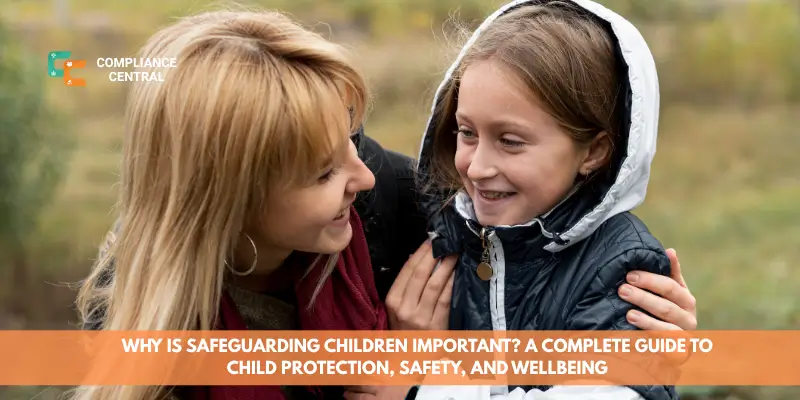
Safeguarding children is one of the most important responsibilities in any society. It is not only a professional obligation for teachers, healthcare professionals, social workers, or childcare providers, but also a shared responsibility involving parents, families, communities, organisations, and governments. Every child has the right to grow up in a safe, supportive, and caring environment where they are protected from harm, encouraged to develop, and supported emotionally, physically, and socially.
When people search for “why is safeguarding children important”, they are often looking to understand the purpose behind child protection systems and why safeguarding plays such a vital role in modern society. They want to learn about the risks children may face, how safeguarding measures help prevent harm, and how adults and organisations can work together to create safer environments where children’s rights and wellbeing are respected.
Children are among the most vulnerable members of society because they may not always recognise danger, understand unsafe situations, or know when and how to seek help. Safeguarding ensures that responsible adults and organisations take appropriate action to protect them. It goes beyond preventing abuse and neglect by promoting wellbeing, improving safety in homes and schools, reducing online risks, supporting families, and encouraging early intervention when concerns are identified. By understanding safeguarding children, we can contribute to creating safer communities and protecting future generations.
Table of Contents
Safeguarding Children Level 3 for just £11.99
Today!
You won’t find this deal anywhere else!
Take The CourseUse Coupon Code:
Use this coupon at Checkout
Why Is Safeguarding Children Important?
Safeguarding children is essential because it helps protect young people from harm while supporting their safety, wellbeing, and healthy development. Without effective safeguarding systems, children may face greater risks of abuse, neglect, exploitation, and unsafe situations that can affect their lives.
At its core, safeguarding helps to ensure that:
- Children are protected from different forms of harm and danger
- Potential risks are recognised and addressed at an early stage
- Appropriate support and action are provided when concerns arise
- Children receive emotional, physical, and social support
- Their rights, dignity, and wellbeing are respected
Children often rely on adults and organisations to keep them safe because they may not always recognise risks or know how to protect themselves. Safeguarding ensures that parents, professionals, and institutions understand their responsibilities and take action whenever a child’s safety or wellbeing is at risk.
Protecting Children from Abuse and Neglect
A major purpose of safeguarding is to protect children from situations that may negatively affect their safety, health, and overall wellbeing. Abuse and neglect can take many different forms, and safeguarding practices help identify concerns early, provide support, and ensure appropriate action is taken to protect vulnerable children.
These forms of harm include:

Physical Abuse
Physical abuse involves deliberately causing injury or physical harm to a child. This may include actions such as hitting, shaking, or any behaviour that causes pain, injury, or threatens a child’s physical safety.
Emotional Abuse
Emotional abuse affects a child’s confidence, mental health, and emotional development. It can involve repeated criticism, intimidation, humiliation, rejection, or a lack of emotional support that negatively impacts a child’s wellbeing.
Sexual Abuse
Sexual abuse refers to any situation where a child is involved in inappropriate sexual behaviour, contact, or exploitation. Safeguarding aims to protect children from these risks and ensure concerns are identified and addressed properly.
Neglect
Neglect occurs when a child’s essential needs are not consistently provided. This may include inadequate food, shelter, healthcare, supervision, protection, or emotional care required for healthy development.
Effective safeguarding systems help recognise warning signs, respond to concerns, and provide children with the protection and support they need. Without proper safeguarding measures, many children may remain exposed to harm without receiving the help required.
Ensuring Healthy Growth and Development
Safeguarding is not only about protection from harm—it also promotes positive development.
A safe environment helps children:
- Build confidence
- Develop social skills
- Perform better academically
- Form healthy relationships
- Develop emotional resilience
When children feel safe, they are more likely to explore, learn, and grow. On the other hand, unsafe environments can negatively affect their development in both the short and long term.
Preventing Long-Term Psychological and Emotional Harm
A child’s early experiences can have a significant influence on their future mental health, emotional wellbeing, and ability to build positive relationships. Exposure to harmful situations such as abuse, neglect, or unsafe environments may create lasting effects that continue into later life.
These impacts may include:
➽ Anxiety and Depression: Difficult experiences during childhood can increase the risk of emotional struggles and mental health challenges.
➽ Low Self-Esteem: Lack of support or harmful treatment may affect a child’s confidence and sense of self-worth.
➽ Difficulty Building Trust: Negative experiences can make it harder for children to develop healthy relationships with others.
➽ Behavioural Challenges: Children may express distress through changes in behaviour, emotional reactions, or difficulties managing feelings.
➽ Long-Term Emotional Effects: Serious or repeated harm can contribute to lasting emotional difficulties and trauma.
Safeguarding plays an important role in reducing these risks by identifying concerns early and ensuring children receive appropriate support. Early intervention allows problems to be addressed before they become more serious and helps improve long-term outcomes for children.
What Does Safeguarding Children Mean?
Safeguarding children refers to the actions, systems, and responsibilities involved in protecting children from harm while supporting their safety, wellbeing, and healthy development. It focuses on creating environments where children feel secure, respected, and able to grow.
Safeguarding includes:
➽ Preventing Abuse and Neglect: Taking steps to reduce risks and protect children from harmful situations.
➽ Protecting Children at Risk: Responding appropriately when a child may be experiencing harm or danger.
➽ Supporting Wellbeing and Development: Helping children grow emotionally, physically, and socially in safe environments.
➽ Supporting Families and Caregivers: Providing guidance and assistance to help create safer home environments.
➽ Maintaining Safe Spaces: Ensuring schools, homes, and communities follow practices that protect children.
Safeguarding involves both prevention and response. It aims to stop harm before it occurs while also ensuring effective action is taken when concerns are identified.
Safeguarding vs Child Protection
These two terms are closely related but not the same.

Safeguarding
- Focuses on prevention
- Applies to all children
- Promotes wellbeing
- Encourages awareness and safety
Child Protection
- Focuses on children at risk
- Activated when harm is suspected
- Involves investigation and intervention
- More formal legal process
Safeguarding is the umbrella system
Child protection is a response within that system
Who Is Responsible for Safeguarding Children?
Safeguarding is a shared responsibility across society.
Parents and Guardians
Parents are the primary protectors of children. Their responsibilities include:
- Providing safe environments
- Ensuring basic needs are met
- Monitoring wellbeing
- Seeking help when needed
Schools and Teachers
Schools play a crucial role because children spend a large portion of their time there.
Responsibilities include:
- Identifying safeguarding concerns
- Reporting issues to designated officers
- Creating safe learning environments
- Following safeguarding policies
Healthcare Professionals
Doctors, nurses, and healthcare staff:
- Identify signs of abuse or neglect
- Record and report concerns
- Support child wellbeing
Social Services
Social workers:
- Investigate safeguarding concerns
- Provide family support
- Create child protection plans
- Ensure legal protection when needed
Police and Legal Authorities
They:
- Investigate criminal cases
- Protect children from immediate harm
- Enforce legal actions
Community Members
Even individuals in society play a role:
- Reporting concerns
- Supporting awareness
- Creating safe environments
What Are the Main Risks to Children Today?
Children face many types of risks in modern society.
1. Abuse and Neglect
Still one of the most serious risks affecting children worldwide.
2. Online Safety Risks
With digital technology, new risks include:
- Online grooming
- Cyberbullying
- Exposure to harmful content
- Identity misuse
3. Environmental Risks
These include unsafe homes, accidents, and lack of supervision.
4. Exploitation Risks
Children may be vulnerable to:
- Criminal exploitation
- Trafficking
- Forced labor
How Safeguarding Works in Practice

Safeguarding follows a clear and organised process that helps identify risks, respond to concerns, and ensure children receive the right protection and support. Different professionals and organisations work together to assess situations and take appropriate action when needed.
Step 1: Recognising Safeguarding Concerns
The first stage involves identifying possible signs that a child may be at risk. Professionals and caregivers pay attention to changes or indicators such as unusual behaviour, unexplained injuries, emotional difficulties, or changes in a child’s wellbeing.
Step 2: Reporting Concerns
Once a concern is identified, it should be reported through the correct safeguarding channels. This may involve informing a designated safeguarding lead, social services, or other relevant authorities so that the situation can be reviewed properly.
Step 3: Assessing the Situation
After a concern is reported, professionals carry out an assessment to understand the level of risk and determine the appropriate response. They consider factors such as the seriousness of the concern, the urgency of the situation, and the type of support required.
Step 4: Working Through a Multi-Agency Approach
Safeguarding often requires cooperation between different services, including schools, healthcare professionals, social services, and other organisations. Sharing information and working together helps create a stronger support system for the child.
Step 5: Creating a Child Protection Plan
If a child is considered at risk, a formal protection plan may be developed. This plan outlines the actions required to keep the child safe, provide necessary support, and monitor their wellbeing over time.
Why Early Intervention Is Important
Early intervention involves recognising and responding to concerns at an early stage, before they develop into more serious problems. Taking action quickly allows children and families to receive the right support and reduces the possibility of further harm.
Early intervention helps to:
➽ Prevent Long-Term Harm: Addressing concerns early can reduce the risk of lasting emotional, physical, or psychological effects on children.
➽ Reduce Escalation of Risks: Quick action can prevent situations from becoming more serious and requiring more complex intervention.
➽ Provide Early Support for Families: Families can receive guidance, resources, and assistance before challenges become overwhelming.
➽ Improve Outcomes for Children: Timely support helps children feel safer, develop positively, and achieve better long-term outcomes.
The sooner safeguarding concerns are recognised and addressed, the more effective the response can be in protecting children and supporting their wellbeing.
Benefits of Safeguarding Children
Safeguarding provides important benefits for children, families, organisations, and wider communities. By creating safer environments and encouraging responsible action, safeguarding helps ensure children receive the protection and support they need.
Key benefits include:
➽ Protecting Children from Harm: Safeguarding reduces risks by identifying dangers early and ensuring appropriate protective measures are taken.
➽ Supporting Healthy Development: Safe and supportive environments allow children to grow emotionally, socially, and physically in a positive way.
➽ Improving Mental and Emotional Wellbeing: Effective safeguarding helps reduce stress, fear, and the emotional impact of harmful experiences.
➽ Strengthening Families and Communities: Safeguarding encourages cooperation between families, professionals, and community members to create safer environments.
➽ Building Trust in Organisations: Strong safeguarding practices help children and families feel confident that concerns will be taken seriously.
➽ Reducing Wider Social Problems: Early support and prevention can help reduce the long-term effects of harm on individuals and society.
These benefits demonstrate why safeguarding is an essential responsibility across homes, schools, workplaces, and communities.
What Happens When Safeguarding Fails?
When safeguarding systems fail, consequences can be serious and long-lasting.
These include:
- Undetected abuse
- Emotional trauma
- Physical harm
- Loss of trust in institutions
- Legal consequences for organisations
- Long-term psychological effects
This is why safeguarding procedures must always be taken seriously.
How Can Safeguarding Awareness Be Improved?

Improving safeguarding awareness requires continuous education, communication, and commitment from individuals and organisations. By increasing knowledge and understanding, communities can recognise risks earlier and take appropriate action to protect children.
Key ways to strengthen safeguarding awareness include:
➽ Regular Training for Professionals: Providing ongoing training helps teachers, healthcare workers, childcare providers, and other professionals stay updated on safeguarding responsibilities and best practices.
➽ School Awareness Programmes: Schools can educate students, staff, and families about safety, recognising concerns, and the importance of reporting issues.
➽ Community Education: Raising awareness within communities helps parents, caregivers, and members of the public understand their role in creating safer environments for children.
➽ Accessible Reporting Systems: Clear and effective reporting procedures encourage people to share concerns quickly and ensure appropriate action can be taken.
➽ Strong Safeguarding Policies: Well-developed policies provide clear guidance on preventing risks, responding to concerns, and maintaining child safety.
Building awareness is one of the most effective ways to prevent harm. When people understand safeguarding responsibilities, they are better prepared to identify risks and support children’s safety and wellbeing.
Conclusion
Safeguarding children is one of the most important responsibilities in society. It ensures that children are protected from harm, supported in their development, and given the opportunity to grow in safe and nurturing environments.
Understanding why safeguarding children is important helps us recognise that it is not just a policy or legal requirement—it is a moral duty shared by everyone. From parents and teachers to healthcare professionals and community members, everyone plays a role in protecting children.
Safeguarding systems work best when people are aware, alert, and willing to act. Early intervention, strong communication, and proper training are key to preventing harm and ensuring positive outcomes for children.
For those who want to deepen their understanding of safeguarding responsibilities, structured learning such as a Safeguarding Children Level 3 training course can provide valuable knowledge on identifying risks, responding to concerns, and applying safeguarding principles effectively in real-life situations.
Ultimately, safeguarding is about creating a world where every child feels safe, valued, and protected—and that responsibility belongs to all of us.
Frequently Asked Questions (FAQ)
Safeguarding protects children from abuse, neglect, and unsafe situations. It also supports their emotional, physical, and social development.
The main purpose of safeguarding is to keep children safe from harm while promoting their wellbeing, rights, and healthy development.
Safeguarding is a shared responsibility involving parents, teachers, healthcare professionals, organisations, and communities. Everyone has a role in protecting children.
Safeguarding focuses on preventing harm and promoting children’s wellbeing. Child protection involves taking action when a child is at risk or has experienced harm.
Children may face risks such as abuse, neglect, online threats, exploitation, and unsafe environments. Safeguarding helps identify and reduce these risks.
Safeguarding provides children with safer environments, early support, and protection from harm. It helps ensure their wellbeing and positive development.
Ignoring safeguarding concerns can leave children vulnerable to abuse, neglect, and long-term emotional or physical harm. Early action is essential to reduce risks.
Early intervention helps identify concerns before they become more serious. It allows children and families to receive the right support at the right time.
Schools safeguard children through clear policies, staff training, safe environments, and reporting procedures. They also monitor wellbeing and respond to concerns.
Yes, safeguarding helps prevent abuse through awareness, risk identification, and early action. Strong safeguarding practices reduce the chances of harm occurring.

Related Blogs

Course Categories
- Workplace Safety
- Travel
- Training
- Therapy
- Technology
- Teaching and Education
- Teaching and Academics
- Teaching
- Stress Management
- Sports
- Safeguarding
- QLS Endorsed
- Public Speaking
- Psychology
- Project Management
- Philosophy
- Personal Development
- Nutrition & Diet
- Mental Health
- Marketing
- Management
- Lifestyle
- Leadership
- Law
- Language
- IT and Software
- Interpersonal Communication
- Hospitality
- Healthcare
- Health and Social Care
- Health and Safety
- Health and Fitness
- Hazard Awareness
- Forensic Science
- Food Safety
- Food Hygiene
- Food & Beverage
- First Aid
- Fire Safety
- Fashion Design
- Fashion
- Environment
- Entrepreneurship
- Engineering
- Employability
- Electronics
- Electrical Safety
- Education
- Development
- Design
- Data Science
- Counselling
- Cooking
- Construction
- Communication
- Cleaning
- Child Psychology
- Child Care
- Business Skills
- Business Skill
- Business
- Awareness
- Assertiveness
- Animal Care
- Agriculture
- Accounting and Finance