


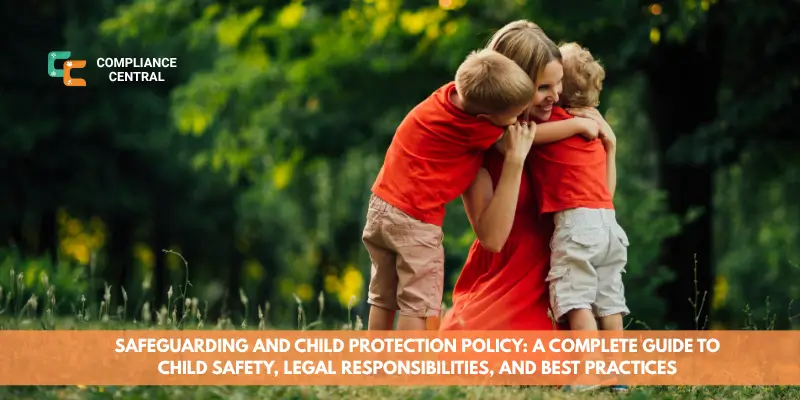
Safeguarding children is one of the most important responsibilities for schools, childcare providers, healthcare organisations, and any institution that works with young people. Every child has the right to grow up in a safe, supportive, and protective environment, free from harm, abuse, and neglect.
To ensure this safety, organisations rely on a structured framework known as the Safeguarding and Child Protection Policy. This policy acts as a guide that explains how children should be protected, how concerns should be reported, and what actions must be taken when risks are identified.
If you are searching for “Safeguarding and child protection policy”, you likely want to understand what it means, why it is important, and how it works in real-life settings such as schools or childcare environments.
In today’s world, children face multiple risks including:
- Bullying and cyberbullying
- Neglect or abuse in home environments
- Emotional and mental health challenges
- Exploitation and unsafe relationships
Because of these risks, safeguarding policies are not optional—they are a legal and ethical requirement.
Table of Contents
Safeguarding Children Level 3 for just £11.99
Today!
You won’t find this deal anywhere else!
Take The CourseUse Coupon Code:
Use this coupon at Checkout
What Is Safeguarding and Child Protection Policy?
A Safeguarding and Child Protection Policy is a formal document used by schools, organisations, and institutions to ensure that children are protected from harm and that appropriate actions are taken when concerns arise.
It provides clear instructions on:
- How to identify risks to children
- How to report concerns
- Who is responsible for safeguarding actions
- What procedures must be followed in emergencies or investigations
In simple terms, it is a safety rulebook designed to protect children and ensure that every adult in the organisation understands their responsibilities.
Meaning of Safeguarding in Policy Context
Safeguarding refers to the proactive steps taken to:
- Prevent harm before it happens
- Protect children’s physical and emotional wellbeing
- Create safe environments where children can learn and develop
- Encourages awareness and safety
It is about prevention, awareness, and protection.
Meaning of Child Protection in Policy Context
Child protection is a more specific part of safeguarding. It focuses on:
- Responding to concerns of abuse or neglect
- Investigating potential harm
- Taking legal and protective action when needed
While safeguarding is broad, child protection is reactive and intervention-based.
Why Is a Safeguarding and Child Protection Policy Important?
A safeguarding policy is essential because it ensures that children are consistently protected and that adults understand their responsibilities.

Legal Requirement
In many countries, including the UK, safeguarding policies are legally required in:
- Schools
- Nurseries
- Colleges
- Youth organisations
- Healthcare and care settings
Failure to have or follow a safeguarding policy can lead to serious legal consequences.
Protecting Children from Harm
The primary purpose is to:
- Prevent abuse
- Reduce risks
- Identify problems early
- Ensure quick intervention when needed
Guiding Staff Actions
Without a clear policy, staff may not know:
- How to respond to concerns
- When to escalate issues
- What steps to follow
The policy ensures consistency and clarity.
Building Trust with Parents and Communities
A strong safeguarding policy reassures parents that:
- Their children are safe
- Staff are trained and responsible
- The organisation takes child protection seriously
What Should Be Included in a Safeguarding and Child Protection Policy?
A well-written safeguarding policy includes several key sections.
Policy Statement
This section explains:
- The organisation’s commitment to child safety
- Zero tolerance towards abuse or neglect
- The importance of safeguarding culture
Roles and Responsibilities
Every organisation must clearly define responsibilities for:
- Teachers and staff
- Designated Safeguarding Lead (DSL)
- Management and leadership teams
- External agencies
Types of Abuse Covered
A safeguarding policy must include all forms of abuse:
- Physical abuse
- Emotional abuse
- Sexual abuse
- Neglect
- Online harm
Safer Recruitment Procedures
To prevent risk, organisations must ensure:
- Background checks for staff
- Vetting and reference checks
- Safe hiring procedures
Training Requirements
Staff must receive:
- Regular safeguarding training
- Updates on new policies or laws
- Guidance on recognising signs of abuse
How Does a Safeguarding and Child Protection Policy Work in Practice?

A policy is not just a document—it is actively used in daily school or organisational life.
Identifying Concerns
Staff observe:
- Behaviour changes
- Physical signs of harm
- Emotional distress
- Unusual patterns in attendance or performance
Reporting Concerns
Once a concern is identified:
- Staff report it to the DSL
- Information is recorded
- Immediate action is considered if needed
Assessment and Decision Making
The safeguarding team:
- Evaluates risk level
- Decides whether intervention is needed
- Determines if external agencies should be involved
Multi-Agency Collaboration
Safeguarding often involves cooperation between:
- Schools
- Social services
- Police
- Healthcare professionals
This ensures a coordinated response.
Who Is Responsible for Safeguarding and Child Protection?
Safeguarding is a shared responsibility.
Teachers and Staff
- Observe children daily
- Identify concerns
- Report issues
Designated Safeguarding Lead (DSL)
- Manages safeguarding cases
- Coordinates responses
- Liaises with external agencies
School Leadership
- Ensures policies are followed
- Provides training and resources
External Agencies
- Social services
- Police
- Health professionals
Parents and Guardians
- Support safeguarding efforts
- Communicate concerns
- Work with schools and professionals
What Are the Key Principles of Safeguarding and Child Protection Policy?
Child-Centred Approach
A child-centred approach means that every safeguarding decision should focus on the child’s safety, needs, rights, and overall wellbeing. The child’s best interests should always be the main priority when providing support or taking action.
Prevention
Prevention focuses on identifying potential risks early and taking steps to stop harm before it occurs. It involves creating safe environments, raising awareness, and providing support to reduce safeguarding concerns.
Proportionality
Proportionality means responding to safeguarding concerns in a way that matches the level of risk involved. Actions should be appropriate, balanced, and necessary while ensuring the child receives proper protection.
Partnership Working
Partnership working involves cooperation between different organisations, professionals, and families to protect children effectively. Schools, social services, healthcare providers, and other agencies must share information and work together when required.
Accountability
Accountability ensures that individuals and organisations take responsibility for their safeguarding duties and decisions. Clear roles, proper record keeping, and transparent procedures help maintain effective child protection practices.
What Are the Benefits of a Safeguarding Policy?

A strong safeguarding policy provides a clear framework for protecting children and ensuring organisations respond effectively to concerns. It helps create safer environments where children feel supported and protected.
➽ Safer Environments for Children: Safeguarding policies help identify risks early and establish procedures that reduce the possibility of harm.
➽ Clear Guidance for Staff: They provide employees with clear instructions about their responsibilities and the actions they should take when concerns arise.
➽ Faster Response to Concerns: Defined reporting procedures allow safeguarding issues to be addressed quickly and appropriately.
➽ Improved Communication Between Agencies: Policies encourage better cooperation between schools, social services, healthcare providers, and other organisations.
➽ Greater Trust from Parents and Communities: A clear safeguarding approach reassures families that children’s safety is taken seriously.
➽ Legal and Regulatory Compliance: Following safeguarding policies helps organisations meet legal duties and maintain proper child protection standards.
Challenges in Implementing Safeguarding Policies
Although safeguarding policies are essential, organisations may face challenges when putting them into practice.
➽ Underreporting of Concerns: Some staff may hesitate to report issues due to uncertainty, fear of making mistakes, or lack of confidence.
➽ Limited Training and Awareness: Without regular training, staff may struggle to recognise warning signs or understand correct procedures.
➽ Communication Difficulties: Poor information sharing between teams or agencies can delay appropriate safeguarding responses.
➽ High Workloads: Safeguarding teams may manage multiple cases, making it challenging to provide immediate attention to every concern.
➽ Complex Family Circumstances: Difficult family situations can make safeguarding decisions more complicated and require careful assessment.
How Often Should a Safeguarding Policy Be Reviewed?
Safeguarding policies should be regularly reviewed to ensure they remain effective, accurate, and aligned with current guidance.
A safeguarding policy should be:
➽ Reviewed at least once every year to check that procedures remain suitable and effective.
➽ Updated whenever laws, regulations, or safeguarding guidance change to reflect current requirements.
➽ Tested through practical situations or reviews to ensure staff understand how to apply procedures.
➽ Improved using feedback, lessons learned, and previous incidents to strengthen future safeguarding practices.
Conclusion
A Safeguarding and Child Protection Policy is a fundamental part of ensuring children’s safety in any organisation. It provides clear guidance on how to prevent harm, respond to concerns, and protect children from abuse and neglect.
Understanding this policy is essential for teachers, caregivers, social workers, and anyone working with children. It ensures that safeguarding is not left to chance but is instead managed through structured procedures, trained staff, and clear responsibilities.
In today’s world, where children face both physical and digital risks, strong safeguarding systems are more important than ever. A well-implemented policy helps create environments where children can learn, grow, and thrive safely.
For professionals working in education or childcare, structured learning such as Safeguarding Children Level 3 can further strengthen understanding of safeguarding responsibilities, risk identification, and child protection procedures.
Ultimately, safeguarding is about one core principle: every child deserves to be safe, protected, and valued at all times.
Frequently Asked Questions (FAQ)
A safeguarding and child protection policy is an official document that explains how an organisation keeps children safe from abuse, neglect, and other risks.
It outlines procedures for identifying concerns, reporting issues, and taking appropriate action to protect children.
A safeguarding policy helps create a safe environment by ensuring everyone understands their roles and responsibilities.
It also helps organisations follow legal requirements and respond consistently when concerns about a child’s safety arise.
Safeguarding is a shared responsibility involving all members of an organisation, including staff, managers, leaders, and safeguarding professionals.
Everyone has a role in recognising risks, reporting concerns, and supporting child safety.
A safeguarding policy should include clear reporting procedures, staff responsibilities, child protection processes, and guidance on handling different types of abuse.
It should also cover training requirements, confidentiality, and actions to take when concerns are identified.
Safeguarding is a wider approach that focuses on preventing harm and promoting children’s wellbeing.
Child protection is a specific response used when a child is at risk of abuse, neglect, or serious harm.
A Designated Safeguarding Lead (DSL) is a trained person responsible for managing safeguarding concerns within an organisation, especially schools.
They handle reports, provide guidance to staff, and work with external agencies when required.
A safeguarding policy protects children by providing clear steps for recognising risks, reporting concerns, and responding appropriately.
It ensures that potential issues are addressed quickly and that children receive the necessary support and protection.
Failing to follow safeguarding procedures can increase the risk of harm to children and may result in legal or professional consequences.
It can also lead to poor handling of concerns and failures to provide appropriate protection.
Safeguarding policies should usually be reviewed at least once a year to ensure they remain effective and accurate.
They should also be updated whenever there are changes to legislation, guidance, or organisational procedures.
Safeguarding training helps staff recognise warning signs of abuse, understand their responsibilities, and respond correctly to concerns.
Regular training ensures that staff remain confident and aware of current safeguarding practices.
The main aim is to protect children from harm while promoting their safety, wellbeing, and development.
It provides clear guidance on preventing risks, reporting concerns, and responding effectively when safeguarding issues occur.
A safeguarding policy is usually created by an organisation’s leadership team with support from safeguarding leads and relevant professionals.
It must follow current laws, government guidance, and best practices to ensure effective child protection.
During an investigation, safeguarding professionals assess the concern, collect relevant information, and evaluate the level of risk to the child.
If necessary, external agencies such as social services or the police may become involved to provide further support and protection.
No, safeguarding applies to any organisation that works with children, including nurseries, healthcare services, charities, sports clubs, and community groups.
Any setting responsible for children must have appropriate safeguarding measures in place.
Staff can improve safeguarding knowledge through regular training, workshops, policy reviews, and staying informed about updated guidance.
Ongoing learning helps staff recognise concerns earlier and respond more effectively to protect children.

Related Blogs

Course Categories
- Workplace Safety
- Travel
- Training
- Therapy
- Technology
- Teaching and Education
- Teaching and Academics
- Teaching
- Stress Management
- Sports
- Safeguarding
- QLS Endorsed
- Public Speaking
- Psychology
- Project Management
- Philosophy
- Personal Development
- Nutrition & Diet
- Mental Health
- Marketing
- Management
- Lifestyle
- Leadership
- Law
- Language
- IT and Software
- Interpersonal Communication
- Hospitality
- Healthcare
- Health and Social Care
- Health and Safety
- Health and Fitness
- Hazard Awareness
- Forensic Science
- Food Safety
- Food Hygiene
- Food & Beverage
- First Aid
- Fire Safety
- Fashion Design
- Fashion
- Environment
- Entrepreneurship
- Engineering
- Employability
- Electronics
- Electrical Safety
- Education
- Development
- Design
- Data Science
- Counselling
- Cooking
- Construction
- Communication
- Cleaning
- Child Psychology
- Child Care
- Business Skills
- Business Skill
- Business
- Awareness
- Assertiveness
- Animal Care
- Agriculture
- Accounting and Finance