


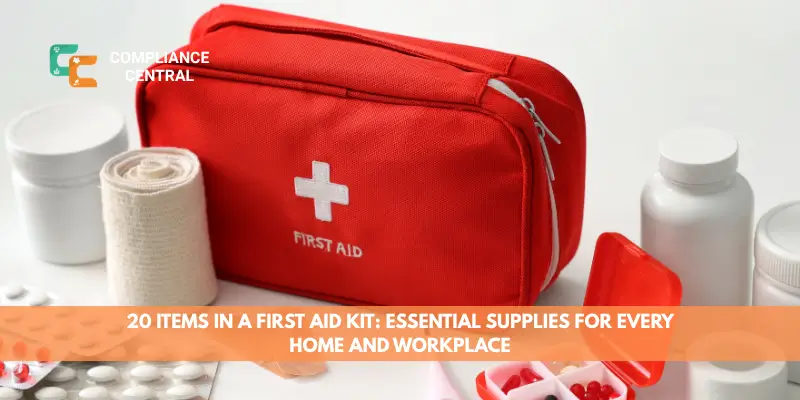
A well-stocked first aid kit is an essential safety resource for every home, workplace, vehicle, and travel plan. Accidents and unexpected health situations can happen at any time, ranging from minor cuts, bruises, and burns to allergic reactions, sprains, or sudden illnesses. Having the right supplies available allows individuals to provide immediate support, reduce discomfort, and take appropriate action while waiting for professional medical assistance.
Knowing what to include in a first aid kit helps ensure that important items are available when they are needed most. A properly prepared kit can support parents caring for children, workplace first aiders, teachers, outdoor enthusiasts, travellers, and anyone who wants to be better prepared for emergencies. Regularly checking supplies, replacing expired items, and organising the kit correctly also helps maintain its effectiveness.
This article provides a detailed guide to the 20 essential items commonly found in a first aid kit, explaining their purpose and how they can support basic emergency care. It also covers important considerations for assembling, maintaining, storing, and using a first aid kit safely in different environments.
Table of Contents
Paediatric First Aid Training for just £11.99
Today!
You won’t find this deal anywhere else!
Take The CourseUse Coupon Code:
Use this coupon at Checkout
20 Items in a First Aid Kit
A well-prepared first aid kit should contain suitable wound-care materials, protective equipment, basic tools, and selected health supplies. The contents may vary depending on whether the kit is intended for a home, workplace, vehicle, school, or travel. Below are 20 useful items commonly considered when assembling a practical first aid kit.
1. Antiseptic Solution
An antiseptic solution can be used to clean the skin surrounding minor cuts, scratches, and grazes. Products containing ingredients such as chlorhexidine may help reduce contamination before a sterile dressing is applied. Always use the product according to its instructions and avoid putting unsuitable solutions directly into deep wounds.
2. Antiseptic Cream or Lotion
Antiseptic cream or lotion may be applied to certain minor skin injuries after the affected area has been cleaned. It can help protect the damaged skin from contamination and support the natural healing process. Users should check the label carefully and avoid applying products that may cause irritation or allergic reactions.
3. Adhesive Bandages
Adhesive bandages, commonly known as plasters, are used to protect small cuts, blisters, scratches, and puncture wounds. They help keep dirt away from the injured area while absorbing small amounts of blood or fluid. A first aid kit should contain different shapes and sizes to suit fingers, hands, knees, and other body areas.
4. Sterile Gauze Dressings

Sterile gauze dressings are useful for covering wounds that are too large for ordinary plasters. They can absorb blood or fluid while providing a clean protective layer over the affected area. Gauze pads may be secured using medical tape or a bandage without placing unnecessary pressure on the injury.
5. Cotton Rolls or Swabs
Cotton rolls and swabs may be useful for applying certain products to unbroken skin or cleaning around an injured area. However, loose cotton fibres can stick to open wounds, so sterile gauze is generally more suitable for direct wound coverage. Cotton items should therefore be used carefully and stored in clean packaging.
6. Disposable Gloves
Disposable gloves create a protective barrier between the first aider and the injured person. They reduce direct contact with blood, bodily fluids, and potentially contaminated materials. Nitrile or latex-free gloves are often preferred because they are durable and suitable for people who may have latex sensitivities.
7. Crepe or Elastic Bandages
Crepe and elastic bandages can provide support for minor sprains, strains, and soft-tissue injuries. They may also be used to hold dressings securely in place or apply gentle compression. The bandage should not be wrapped too tightly, as excessive pressure may restrict blood circulation.
8. Blunt-Tipped Scissors
Strong scissors are useful for cutting medical tape, gauze, bandages, or clothing during an emergency. Blunt-tipped scissors or trauma shears reduce the chance of accidentally injuring the casualty while cutting near the skin. They should be kept clean, dry, and easy to access inside the kit.
9. Tweezers
Tweezers can help remove small splinters or visible debris from the surface of the skin. Fine-tipped stainless-steel tweezers provide better control and can usually be cleaned easily after use. Deeply embedded objects should not be removed without appropriate medical advice.
10. Burn Dressing or Cooling Gel
A sterile burn dressing or suitable cooling gel may help protect and soothe certain minor burns after the area has been cooled appropriately. It can reduce discomfort and prevent the damaged skin from rubbing against clothing or other surfaces. Serious, large, chemical, or electrical burns require urgent professional medical care.
11. Topical Pain-Relief Gel or Spray
Topical pain-relief products may provide temporary comfort for minor muscle aches, sprains, or strains. These products are often included in sports, workplace, or travel kits where physical activity increases the chance of mild injuries. They should only be applied to intact skin and used according to the manufacturer’s directions.
12. Thermometer
A thermometer helps measure body temperature when someone appears unwell, feverish, or affected by extreme heat. Digital thermometers are widely used because they are convenient, quick, and easy to read. The device should be cleaned appropriately after use and its batteries checked regularly.
13. Over-the-Counter Painkillers
Over-the-counter painkillers may help manage headaches, fever, or mild discomfort when used safely. Medicines such as paracetamol or ibuprofen may not be suitable for every person, age group, or medical condition. All dosage instructions, warnings, expiry dates, and workplace rules should therefore be checked before use.
14. Antihistamine Medication
Antihistamines may help reduce symptoms associated with mild allergic reactions, such as itching, rashes, or reactions to insect bites. They do not replace emergency treatment for a severe allergic reaction or anaphylaxis. Medicines should be clearly labelled, stored correctly, and used only according to professional or manufacturer guidance.
15. Antacid Medication
Antacids may provide short-term relief from mild heartburn, indigestion, or excess stomach acid. They may be useful in a personal home or travel kit, particularly for people who occasionally experience these symptoms. However, they are not essential wound-care supplies and should only be taken after checking suitability and dosage instructions.

16. Sterile Eye Wash
Sterile eye wash can be used to rinse loose dust, dirt, or minor irritants from the eye. Single-use sterile pods are often practical because they reduce the chance of contamination. Embedded objects, chemical exposure, severe pain, or changes in vision require urgent professional assessment.
17. Mouth-Ulcer Gel
Mouth-ulcer gel can provide temporary relief from discomfort caused by minor ulcers or irritation inside the mouth. Some products form a protective covering over the affected area and may support healing. The product should be age-appropriate and used exactly as directed on the packaging.
18. Nasal Decongestant
A nasal decongestant may provide temporary relief from a blocked nose caused by a cold or allergy. It may be useful in a personal or travel health kit, although it is not a core emergency first aid item. Decongestants are unsuitable for some individuals and should not be used for longer than recommended.
19. Mosquito or Insect Repellent
Insect repellent helps reduce the likelihood of bites during outdoor activities, travel, camping, or work in areas with many insects. Products are available as sprays, creams, roll-ons, or wipes. Users should select an age-appropriate product and follow all instructions concerning application and reapplication.
20. Pulse Oximeter
A pulse oximeter is a small electronic device that estimates blood oxygen saturation and pulse rate. It may be useful for people who have been advised by a healthcare professional to monitor a respiratory condition. However, readings can sometimes be inaccurate, so the device should not replace professional assessment when someone has breathing difficulties or appears seriously unwell.
Why Is a First Aid Kit Important?
A first aid kit provides quick access to essential supplies during unexpected injuries, illnesses, or emergencies. Having the right equipment available allows individuals to provide immediate support for common situations such as cuts, burns, sprains, allergic reactions, and minor wounds before professional medical help arrives. A properly prepared kit can help reduce the risk of complications, protect injuries from further harm, and provide comfort during stressful situations.
A first aid kit is especially important in homes, workplaces, schools, vehicles, and outdoor environments where accidents may happen. It allows parents, employees, teachers, travellers, and caregivers to respond more confidently and effectively. While a first aid kit cannot replace professional medical treatment, it plays an important role in providing early assistance and managing minor emergencies.
How Often Should a First Aid Kit Be Checked?
A first aid kit should be reviewed regularly to ensure that all supplies are available, clean, and safe to use. In general, it is recommended to check a kit every 6–12 months, although more frequent checks may be needed in workplaces, schools, or environments where items are used regularly.
During each inspection, check for expired medications, damaged packaging, missing supplies, and items that have been used. Replace any outdated or opened products immediately so the kit remains fully prepared for future emergencies. It is also useful to reorganise the contents after each check so important items can be found quickly when needed.
Can First Aid Kits Be Customized?
Yes, first aid kits can and should be customised according to the environment, activities, and specific needs of the people using them. A home first aid kit may include items such as children’s supplies, burn treatments, allergy medication, and basic wound-care products, while a workplace kit may require additional equipment based on occupational risks.
Outdoor and travel first aid kits are often designed for portability and may include insect repellent, extra bandages, emergency blankets, and supplies suitable for remote locations. Sports teams, schools, childcare settings, and workplaces may also require specialised items depending on the activities and potential hazards involved. Customising a kit ensures that the most relevant supplies are available when emergencies occur.
Where Should a First Aid Kit Be Stored?
A first aid kit should be kept in a clean, dry, and easily accessible location where it can be reached quickly during an emergency. It should be stored away from excessive heat, moisture, or direct sunlight, as these conditions may damage certain supplies and reduce their effectiveness.
The location should be clearly labelled so that family members, employees, or visitors can identify it easily. For better preparedness, many people choose to keep separate kits in different locations, such as the home, workplace, car, or travel bag. In workplaces and public settings, employees should know where first aid supplies are stored and who is responsible for checking them.
What Items Are Not Recommended in a First Aid Kit?

Certain items should not be included in a general first aid kit because they may create safety risks, become ineffective over time, or require professional guidance. Expired medications, damaged supplies, homemade treatments, and products without clear labels should be removed or avoided.
Prescription medicines should generally not be stored in shared first aid kits unless they belong to a specific individual and are managed appropriately. Items such as used equipment, unsterile tools, or products that require specialist training should also be excluded. Keeping only suitable, clearly labelled, and regularly checked supplies helps ensure that the first aid kit remains safe and reliable during emergencies.
Conclusion
A first aid kit is more than a collection of supplies—it is a critical resource for safety and emergency preparedness. Knowing the 20 items in a first aid kit ensures you are ready to respond effectively to minor injuries, allergic reactions, and everyday accidents.
Regularly checking your kit, replacing expired items, and keeping it accessible ensures it is always ready when needed. Whether at home, work, or on the go, a well-stocked first aid kit provides peace of mind and immediate access to essential medical supplies.
For those who want to take preparedness further, enrolling in Paediatric First Aid Training is an excellent step. This course provides guidance on assembling and maintaining first aid kits and equips learners with the knowledge to respond safely to emergencies involving children. With the right tools and training, you can ensure safety for yourself and those around you.
Frequently Asked Questions (FAQ)
To provide essential supplies for minor injuries and emergencies.
A well-prepared kit contains at least 20 essential items covering wound care, medications, and tools.
Yes, but they must be clearly labelled and checked regularly for expiry.
Laws vary, but keeping a first aid kit is recommended for safety at home, work, or during travel.
Place frequently used items on top, tools and instruments in the middle, and optional items at the bottom.
Yes, pre-assembled kits are convenient and often include most essential items.
Replace at least once a year or when they are near expiry.
Absolutely, gloves help maintain hygiene and prevent contamination.
Optional, but they can be useful for monitoring oxygen levels in emergencies.
Yes, include insect repellent, burn gel, emergency blankets, and compact supplies.
A waterproof, durable container with separate compartments is ideal.
Yes, it guides proper procedures during emergencies.
Only with supervision; keep dangerous items out of reach.
Regularly check supplies, replace expired items, and ensure all tools are clean and functional.
Kits are primarily for minor injuries; severe cases require professional medical attention.

Related Blogs



Course Categories
- Workplace Safety
- Travel
- Training
- Therapy
- Technology
- Teaching and Education
- Teaching and Academics
- Teaching
- Stress Management
- Sports
- Safeguarding
- QLS Endorsed
- Public Speaking
- Psychology
- Project Management
- Philosophy
- Personal Development
- Nutrition & Diet
- Mental Health
- Marketing
- Management
- Lifestyle
- Leadership
- Law
- Language
- IT and Software
- Interpersonal Communication
- Hospitality
- Healthcare
- Health and Social Care
- Health and Safety
- Health and Fitness
- Hazard Awareness
- Forensic Science
- Food Safety
- Food Hygiene
- Food & Beverage
- First Aid
- Fire Safety
- Fashion Design
- Fashion
- Environment
- Entrepreneurship
- Engineering
- Employability
- Electronics
- Electrical Safety
- Education
- Development
- Design
- Data Science
- Counselling
- Cooking
- Construction
- Communication
- Cleaning
- Child Psychology
- Child Care
- Business Skills
- Business Skill
- Business
- Awareness
- Assertiveness
- Animal Care
- Agriculture
- Accounting and Finance