


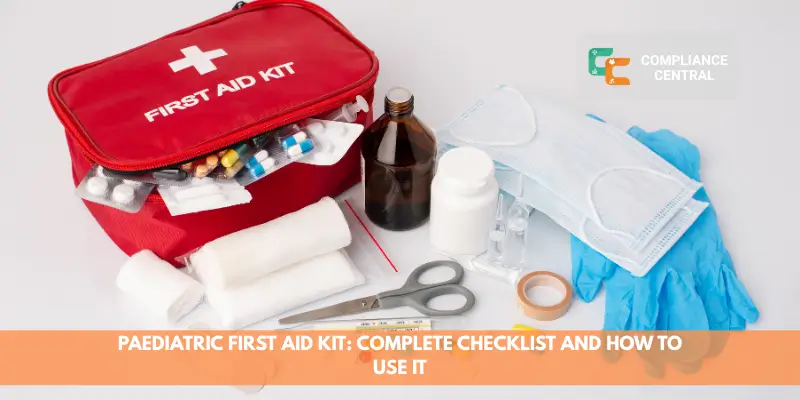
Children are naturally active, curious, and constantly exploring the world around them. Whether at home, school, nursery, playgrounds, or even while travelling, minor accidents are a normal part of childhood. Cuts, bruises, burns, nosebleeds, insect bites, or sudden illnesses can happen without warning.
While it is impossible to prevent every incident, being properly prepared can significantly reduce risk and improve response during emergencies. One of the most important tools for preparedness is a paediatric first aid kit.
A paediatric first aid kit is not just a box of medical supplies. It is a structured collection of carefully selected items designed specifically to support the immediate care of babies and children during injuries or sudden health issues. Unlike adult kits, it takes into account the sensitivity of children’s skin, smaller body size, and age-appropriate treatment needs.
In many cases, the first few minutes after an injury are the most important. Immediate action can help reduce pain, prevent infection, and avoid complications before professional medical help arrives.
This comprehensive guide will help you understand:
- What a paediatric first aid kit is
- Why it is essential for every home and childcare setting
- A complete, detailed checklist of items
- How each item is used in real situations
- Step-by-step guidance on handling common injuries
- Proper storage and maintenance methods
- Common mistakes to avoid
- When to seek emergency medical help
By the end of this guide, you will have a complete understanding of how to prepare, organize, and use a paediatric first aid kit effectively and confidently.
Table of Contents
Paediatric First Aid Training for just £11.99
Today!
You won’t find this deal anywhere else!
Take The CourseUse Coupon Code:
Use this coupon at Checkout
What Is a Paediatric First Aid Kit?
A paediatric first aid kit is a specially prepared collection of essential medical supplies designed to provide immediate support when a baby or child experiences an injury, accident, or sudden health problem. It contains carefully selected items that are suitable for children and help caregivers manage common emergencies safely until further medical assistance is available.
Unlike a standard first aid kit, a paediatric kit considers the specific needs of infants and children, including their smaller size, sensitive skin, and common childhood injuries. It typically includes wound care materials, protective equipment, and basic emergency supplies that help parents, caregivers, and professionals respond effectively.
A paediatric first aid kit is commonly used in:
➽ Family homes – To manage everyday childhood injuries such as cuts, scrapes, and minor burns.
➽ Nurseries and childcare centres – To support quick responses when children experience accidents during care.
➽ Schools and educational settings – To provide immediate assistance for student injuries and health concerns.
➽ Daycare environments – To ensure caregivers are prepared for unexpected situations.
➽ Outdoor activity kits – To support child safety during trips, activities, and travel.
The purpose of a paediatric first aid kit is not to replace professional medical treatment but to provide immediate care, reduce discomfort, and help stabilise the situation until qualified medical support is available.
Why Is a Paediatric First Aid Kit Important?

Having a properly prepared paediatric first aid kit is an important part of maintaining child safety. It ensures that parents, caregivers, teachers, and childcare professionals have access to essential supplies when accidents or health emergencies occur.
1. Enables Quick Response During Emergencies
In an emergency situation, every moment can be important. A well-stocked first aid kit allows caregivers to provide immediate care without wasting time searching for essential supplies, helping them respond quickly while waiting for professional medical assistance.
2. Helps Reduce the Impact of Injuries
Providing suitable first aid at the right time can help manage minor injuries more effectively. Proper wound cleaning, dressing, and basic care can reduce the risk of infection, control discomfort, and prevent small issues from becoming more serious.
3. Provides Immediate Support Before Medical Help Arrives
A paediatric first aid kit allows caregivers to take early action while waiting for emergency services or medical professionals. Having the right supplies available can help stabilise a child’s condition and provide comfort during unexpected situations.
4. Builds Confidence Among Parents and Caregivers
Knowing that essential first aid supplies are available helps caregivers feel more prepared during stressful moments. A ready-to-use kit reduces panic and allows individuals to focus on providing calm and appropriate support.
5. Essential for Schools and Childcare Settings
Schools, nurseries, and childcare centres care for multiple children every day, making emergency preparedness extremely important. A suitable paediatric first aid kit ensures staff can respond promptly to common childhood injuries and maintain a safer environment for all children.
Complete Paediatric First Aid Kit Checklist (Detailed Guide)
A complete paediatric first aid kit includes multiple categories of items. Each category plays a specific role in emergency care.
1. Basic Wound Care Items
These are the most commonly used supplies in any paediatric first aid kit.
Adhesive Plasters (Assorted Sizes)
Used for:
- Small cuts
- Scrapes
- Minor wounds
Children often experience minor injuries during play. Different sizes ensure proper coverage.
Sterile Gauze Pads
Used for:
- Cleaning wounds
- Absorbing blood
- Covering larger injuries
Bandages (Elastic or Crepe)
Used for:
- Supporting sprains
- Holding dressings in place
- Reducing swelling
Medical Tape
Used for:
- Securing gauze and bandages
- Stabilizing wound coverings
Antiseptic Wipes or Solution
Used for:
- Cleaning wounds
- Preventing infection
- Removing dirt and debris
2. Emergency Tools
These tools help in multiple emergency situations.
Safety Scissors
Used for:
- Cutting clothing
- Adjusting bandages
- Accessing wounds safely
Tweezers
Used for:
- Removing splinters
- Extracting small foreign objects
Disposable Gloves
Used for:
- Preventing contamination
- Maintaining hygiene
- Protecting both child and caregiver

Thermometer
Used for:
- Checking fever
- Monitoring illness
CPR Face Shield
Used for:
- Emergency breathing assistance
- Safe resuscitation practice
3. Burn Care Items
Burns are common in household environments.
Burn Gel
Used for:
- Cooling minor burns
- Reducing pain and irritation
Non-Stick Dressings
Used for:
- Covering burns
- Preventing skin sticking
Cooling Pads or Dressings
Used for:
- Reducing heat from burns
- Providing comfort
4. Breathing and Allergy Support Items
These support respiratory comfort and minor allergic reactions.
Saline Solution
Used for:
- Cleaning nasal passages
- Eye irrigation
Nasal Aspirator (for infants)
Used for:
- Clearing blocked noses
- Improving breathing comfort
Antihistamines (if advised)
Used for:
- Mild allergic reactions (Only when appropriate guidance is available)
5. Comfort and Support Items
These items help stabilize and comfort the child.
Triangular Bandage
Used for:
- Arm slings
- Supporting injuries
Instant Cold Packs
Used for:
- Swelling
- Bruises
- Minor bumps
Emergency Blanket
Used for:
- Maintaining body warmth
- Preventing shock
6. Optional but Useful Items
These enhance preparedness:
- First aid instruction booklet
- Emergency contact list
- Torch or flashlight
- Child-safe pain relief (as recommended)
- Notebook for incident recording
How to Use a Paediatric First Aid Kit Effectively

Having a kit is important, but knowing how to use it correctly is essential.
Step 1: Assess the Situation
Before acting:
- Check if the child is conscious
- Identify the injury type
- Ensure safety of surroundings
Step 2: Select the Correct Item
Match injury with appropriate supply:
- Cuts → plasters or gauze
- Swelling → cold pack
- Burns → burn dressing
- Bleeding → gauze and bandage
Step 3: Apply First Aid Carefully
- Wash hands or wear gloves
- Clean wound gently
- Apply dressing correctly
- Avoid unnecessary pressure
Step 4: Monitor the Child
After treatment:
- Observe symptoms
- Check pain level
- Watch for infection signs
Step 5: Seek Medical Help If Needed
First aid is temporary support. Medical attention is needed if:
- Injury is severe
- Bleeding does not stop
- Child shows distress
- Symptoms worsen
Common Childhood Injuries Requiring First Aid Kit Use
A paediatric first aid kit can be extremely useful for managing many common injuries and minor health issues that children may experience during everyday activities. Whether at home, school, nursery, or while travelling, having the right supplies available allows caregivers to provide quick and appropriate support.
Common situations where a paediatric first aid kit may be needed include:
➽ Cuts and scrapes – Children often get minor wounds while playing, exploring, or participating in activities. First aid supplies such as antiseptic wipes, plasters, and dressings help clean and protect these injuries.
➽ Bruises caused by falls – Falls are common during childhood and may result in bumps, bruising, or swelling. Cold packs and basic care items can help provide comfort and reduce discomfort.
➽ Minor burns – Accidental contact with hot surfaces, liquids, or objects can cause small burns. Burn gels and suitable dressings can help cool the affected area and support initial care.
➽ Nosebleeds – Children may experience nosebleeds due to minor injuries, dry air, or other causes. First aid supplies can help manage the situation safely while monitoring the child’s condition.
➽ Insect bites and stings – Outdoor activities can sometimes lead to bites or stings that cause irritation or swelling. Appropriate first aid items can help provide relief and support comfort.
➽ Swelling and bumps – Minor knocks and accidents can cause swelling in different areas of the body. Items such as cold packs can help reduce swelling and provide temporary relief.
These types of injuries are common parts of childhood and can occur in everyday environments. Keeping a well-prepared paediatric first aid kit ensures that parents, teachers, and caregivers are ready to respond quickly and effectively when these situations arise.
How to Store and Maintain a Paediatric First Aid Kit
Proper storage ensures effectiveness.
Storage Guidelines
- Keep in dry place
- Store away from heat
- Keep accessible for adults
- Avoid child access without supervision
Maintenance Checklist
- Check expiry dates regularly
- Replace used items
- Restock missing supplies
- Review every 3–6 months
Common Mistakes to Avoid
Many people make errors during emergencies:
- Using expired items
- Panicking instead of acting
- Ignoring hygiene practices
- Delaying medical help
- Using wrong item for injury
Avoiding these improves safety outcomes.
When to Seek Emergency Medical Help

While a paediatric first aid kit can help manage many minor injuries and provide immediate support, some situations require urgent medical attention. Caregivers should seek professional help immediately if a child experiences a serious injury or shows signs of a potentially life-threatening condition.
Emergency medical assistance should be sought if:
➽ Severe bleeding occurs – If bleeding is heavy, does not stop with basic first aid measures, or appears difficult to control, professional medical support may be required.
➽ Breathing difficulties develop – Any signs of breathing problems, choking, unusual breathing patterns, or difficulty getting enough air should be treated as an emergency.
➽ Serious burns are present – Large, deep, or severe burns require medical assessment to prevent complications and ensure proper treatment.
➽ A head injury is suspected – Falls or accidents involving the head may require medical attention, especially if the child shows unusual behaviour, confusion, dizziness, or other concerning symptoms.
➽ The child becomes unconscious – Loss of consciousness requires immediate emergency support, even if the child appears to recover afterwards.
Knowing when first aid is enough and when professional care is needed is an important part of keeping children safe. Quick action and proper judgement can help ensure the child receives the right level of care.
Importance of Preparedness
A paediatric first aid kit is an essential resource that helps caregivers provide immediate support during childhood emergencies. However, the effectiveness of the kit depends on how well individuals understand the purpose of each item and how confidently they can use the supplies when needed.
Being prepared helps reduce panic, improves reaction time, and allows parents, teachers, and caregivers to respond more calmly during unexpected situations. Having the right equipment available also creates a safer environment where minor injuries can be managed quickly and effectively.
True confidence comes from combining a well-stocked paediatric first aid kit with proper knowledge of child emergency response techniques. Learning how to recognise risks, apply basic first aid, and make appropriate decisions ensures caregivers are better prepared to protect children when emergencies occur.
Conclusion
A paediatric first aid kit is an essential safety resource for anyone responsible for children. It ensures that immediate care can be provided during minor injuries and unexpected emergencies, helping to reduce complications and support recovery.
From cuts and burns to bruises and allergic reactions, having the right tools available can make a significant difference in response time and effectiveness.
However, the kit alone is not enough. Understanding how and when to use each item is equally important. Preparedness comes from both having the right supplies and knowing how to respond calmly in emergencies.
For those who want to strengthen their understanding further, Paediatric First Aid Training can provide structured learning on child safety, emergency response, and injury management.
Being prepared today means being ready to protect a child when it matters most.
Frequently Asked Questions (FAQ)
A paediatric first aid kit is used to provide immediate care for common childhood injuries and minor emergencies. It helps manage situations such as cuts, scrapes, burns, bruises, and other everyday accidents.
A child first aid kit should include essential supplies such as plasters, sterile gauze, gloves, bandages, antiseptic wipes, scissors, and other basic care items. The contents should be suitable for children’s specific needs.
Yes, an adult first aid kit can be used in some situations, but a paediatric kit is more suitable. It contains child-friendly supplies and considers the different needs of babies and children.
A paediatric first aid kit should be checked every 3–6 months to ensure all items are available and in good condition. Expired or used supplies should be replaced regularly.
The kit should be stored in a safe, dry, and easily accessible location where adults can quickly find it during emergencies. It should always be kept out of children’s reach.
Training is not always required, but it is highly recommended to understand how and when to use each item correctly. First aid knowledge helps caregivers respond more confidently during emergencies.
Essential items include plasters, gloves, sterile gauze, and antiseptic supplies. These basic items help manage many common childhood injuries quickly and safely.
No, a first aid kit cannot replace professional medical treatment for serious injuries. It provides temporary support to manage the situation until emergency or medical help is available.
Expired items should be removed and replaced immediately to ensure the kit remains effective. Regular checks help keep supplies ready for unexpected situations.
Yes, having a suitable paediatric first aid kit is highly recommended in schools and childcare settings. It allows staff to respond quickly to common injuries and support student safety.

Related Blogs

Course Categories
- Workplace Safety
- Travel
- Training
- Therapy
- Technology
- Teaching and Education
- Teaching and Academics
- Teaching
- Stress Management
- Sports
- Safeguarding
- QLS Endorsed
- Public Speaking
- Psychology
- Project Management
- Philosophy
- Personal Development
- Nutrition & Diet
- Mental Health
- Marketing
- Management
- Lifestyle
- Leadership
- Law
- Language
- IT and Software
- Interpersonal Communication
- Hospitality
- Healthcare
- Health and Social Care
- Health and Safety
- Health and Fitness
- Hazard Awareness
- Forensic Science
- Food Safety
- Food Hygiene
- Food & Beverage
- First Aid
- Fire Safety
- Fashion Design
- Fashion
- Environment
- Entrepreneurship
- Engineering
- Employability
- Electronics
- Electrical Safety
- Education
- Development
- Design
- Data Science
- Counselling
- Cooking
- Construction
- Communication
- Cleaning
- Child Psychology
- Child Care
- Business Skills
- Business Skill
- Business
- Awareness
- Assertiveness
- Animal Care
- Agriculture
- Accounting and Finance