

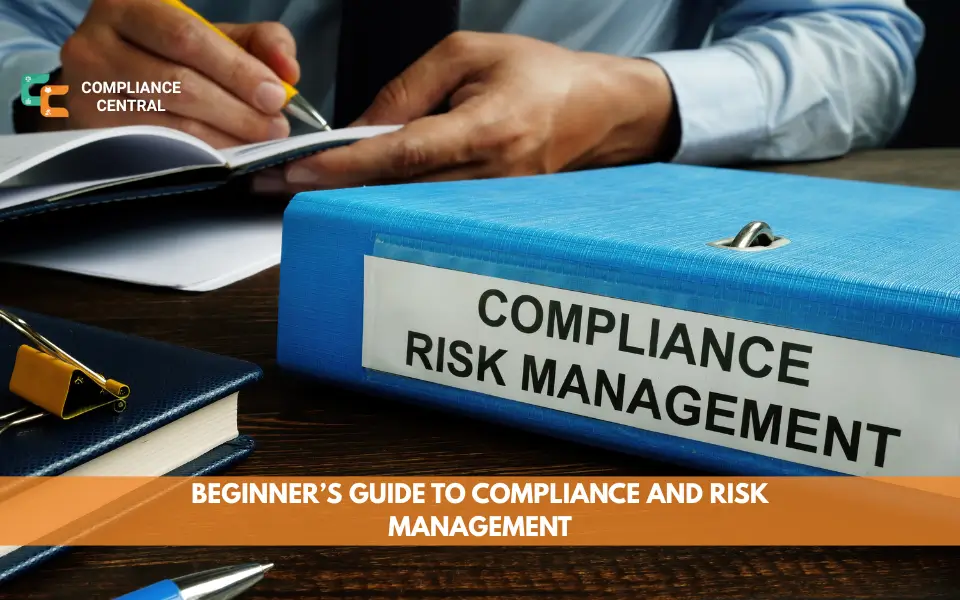
In today’s fast-paced corporate environment, businesses face increasing regulatory scrutiny, financial risks, and operational challenges. To ensure stability and maintain public trust, organisations must adopt a structured approach to both compliance and risk management. This combination ensures that companies adhere to legal standards while proactively identifying, assessing, and mitigating potential threats.
For professionals seeking to build a career in this field, understanding the fundamentals of compliance and risk management is crucial. This guide provides a comprehensive overview, practical insights, and career guidance, helping you navigate the world of compliance and risk management effectively.
Whether you’re a student, a professional entering the field, or a business owner, this beginner’s guide to compliance and risk management will give you the foundation to implement best practices and protect your organisation from regulatory and operational pitfalls.
Table of Contents
Compliance and Risk Management for just £11.99 Today!
You won’t find this deal anywhere else!
Take The CourseUse Coupon Code:
Use this coupon at Checkout
What Is Compliance and Risk Management?
Compliance Management
Compliance refers to the process of ensuring that an organisation adheres to all applicable laws, regulations, standards, and internal policies. Non-compliance can lead to financial penalties, reputational damage, and operational disruptions. Compliance management involves establishing policies, monitoring adherence, and implementing corrective measures when needed.
Key elements of compliance management include:
- Regulatory Compliance: Following national and international laws, such as GDPR, AML regulations, or health and safety laws.
- Internal Compliance: Ensuring employees adhere to company policies and ethical guidelines.
- Financial Compliance: Meeting accounting and reporting standards to prevent fraud or misstatement.
- Environmental and Social Compliance: Abiding by environmental regulations and social responsibility standards.
Risk Management
Risk management is the process of identifying, assessing, and controlling threats to an organisation’s capital, earnings, and reputation. These threats may arise from financial uncertainties, legal liabilities, strategic management errors, accidents, or natural disasters.
Types of risk include:
- Operational Risk: Failures in internal processes, systems, or human errors.
- Financial Risk: Market volatility, credit defaults, or liquidity issues.
- Strategic Risk: Poor business decisions or shifts in market demand.
- Compliance Risk: Breaches of laws, regulations, or internal policies.
- Reputational Risk: Negative public perception affecting business performance.
Integration of compliance and risk management ensures a proactive approach to organisational safety. While compliance focuses on “following the rules,” risk management emphasizes “anticipating potential threats.” Together, they create a robust governance framework.
Why Compliance and Risk Management Are Important

- Mitigate Legal Penalties: Avoid fines, sanctions, and lawsuits.
- Protect Reputation: Demonstrate integrity and trustworthiness to stakeholders.
- Promote Operational Efficiency: Reduce risks that may disrupt business operations.
- Enhance Decision Making: Use structured frameworks to assess potential risks before taking action.
- Build Investor Confidence: Investors trust companies with strong compliance and risk management systems.
In today’s fast-paced corporate environment, businesses face increasing regulatory scrutiny, financial risks, and operational challenges. To ensure stability and maintain public trust, organisations must adopt a structured approach to both compliance and risk management. This combination ensures that companies adhere to legal standards while proactively identifying, assessing, and mitigating potential threats.
For professionals seeking to build a career in this field, understanding the fundamentals of compliance and risk management is crucial. This guide provides a comprehensive overview, practical insights, and career guidance, helping you navigate the world of compliance and risk management effectively.
Whether you’re a student, a professional entering the field, or a business owner, this beginner’s guide to compliance and risk management will give you the foundation to implement best practices and protect your organisation from regulatory and operational pitfalls.
Key Components of Compliance and Risk Management
1. Policy Development
Creating comprehensive policies is the first step in building a compliance framework. Policies must cover:
- Corporate governance rules
- Code of conduct for employees
- Reporting standards
- Regulatory obligations relevant to the business sector
2. Risk Identification
Organisations must identify potential risks in advance. Common methods include:
- SWOT analysis (Strengths, Weaknesses, Opportunities, Threats)
- Process audits
- Industry benchmarking
- Scenario planning
3. Risk Assessment and Prioritisation
After identifying risks, evaluate their likelihood and potential impact:
- High-impact, high-probability risks: Immediate attention and mitigation.
- Low-impact, low-probability risks: Monitored periodically.
- Residual risk: After controls, the remaining risk must be documented and reviewed.
4. Control Measures
Control measures are processes and tools implemented to mitigate identified risks:
- Automated monitoring systems
- Segregation of duties
- Staff training programs
- Incident response plans
5. Monitoring and Reporting
Continuous monitoring ensures compliance policies and risk mitigation strategies remain effective. Reporting involves:
- Regular audits
- Internal control checks
- Incident documentation
- Senior management briefings
6. Training and Awareness
Staff must understand compliance obligations and risk management procedures. Online courses, workshops, and practical case studies are effective methods to increase awareness.
Course Promotion: The Diploma in Compliance and Risk Management includes interactive modules, real-world case studies, and expert guidance, making it ideal for professionals seeking to strengthen their skills and career prospects.
Common Compliance and Risk Management Frameworks
1. COSO (Committee of Sponsoring Organizations) Framework
- Provides enterprise-wide risk management and internal control guidance
2. ISO 31000
- International standard for risk management principles and implementation.
3. ERM (Enterprise Risk Management)
- Aligns risk management with organisational strategy.
4. GRC (Governance, Risk, Compliance)
- Integrates governance, risk management, and compliance into a cohesive system.
Step-by-Step Guide for Beginners
Step 1: Understand Regulatory Requirements
Start by familiarising yourself with:
- Industry-specific regulations
- International compliance standards
- Internal corporate policies
Step 2: Identify Organisational Risks
- Map business processes
- List potential risks
- Use checklists and audit tools
Step 3: Implement Mitigation Strategies
- Assign responsibilities for each risk
- Apply automated monitoring where possible
- Establish reporting lines
Step 4: Monitor and Review

- Schedule periodic reviews
- Update risk registers
- Adjust policies based on feedback or regulatory changes

Step 5: Record and Report
- Document incidents, near-misses, and risk assessments
- Report findings to senior management
- Ensure audit trails are maintained for compliance verification
Tip: Online courses like the Diploma in Compliance and Risk Management offer templates and practical guidance for implementing each of these steps effectively.
Tools and Software for Compliance and Risk Management
Modern organisations rely heavily on technology to streamline compliance and risk operations. Popular tools include:
- Compliance Management Systems (CMS): Automates monitoring, reporting, and policy updates.
- Risk Management Software: Assesses, scores, and visualises risks.
- Document Management Systems: Ensures accurate record-keeping for audits.
- Data Analytics Platforms: Detects anomalies or suspicious activities in real-time.
Career Path in Compliance and Risk Management
Professionals in compliance and risk management have a wide range of career opportunities. Typical roles include:
- Compliance Officer
- Risk Analyst
- Regulatory Affairs Specialist
- Internal Auditor
- Governance and Risk Manager
- Chief Risk Officer (CRO)
Skills required:
- Analytical and problem-solving skills
- Attention to detail
- Understanding of legal and regulatory frameworks
- Strong communication and reporting skills
Global Perspective:
- UK: Focus on FCA, PRA, AML, GDPR compliance
- US: Sarbanes-Oxley, SEC regulations
- Europe: EU directives, ISO standards
Common Challenges for Beginners
- Complex Regulations: Understanding multi-jurisdictional rules can be daunting.
- Keeping Up with Changes: Laws and industry standards evolve frequently.
- Data Overload: Large organisations generate massive amounts of data to monitor.
- Resource Constraints: Small businesses may struggle with staffing or budget.
Solutions:
- Use structured training programs
- Implement automated tools
- Conduct regular internal audits
- Collaborate with external consultants if needed
Frequently Asked Questions (FAQ)
Compliance ensures adherence to laws and policies, while risk management focuses on identifying and mitigating potential threats to the organisation.
It prevents legal penalties, protects reputation, and ensures operational continuity.
Regulatory, financial, internal, corporate governance, and environmental compliance.
Operational, financial, strategic, reputational, and compliance risks.
By taking structured courses, obtaining certifications, gaining experience in auditing or finance, and networking in professional communities.
Compliance management software, risk scoring platforms, data analytics tools, and audit management systems.
Periodically, or after significant organisational changes or regulatory updates.
GRC stands for Governance, Risk, and Compliance. It integrates these three functions into a unified system.

Related Blogs




Course Categories
- Workplace Safety
- Travel
- Training
- Therapy
- Technology
- Teaching and Education
- Teaching and Academics
- Teaching
- Stress Management
- Sports
- Safeguarding
- QLS Endorsed
- Public Speaking
- Psychology
- Project Management
- Philosophy
- Personal Development
- Nutrition & Diet
- Mental Health
- Marketing
- Management
- Lifestyle
- Leadership
- Law
- Language
- IT and Software
- Interpersonal Communication
- Hospitality
- Healthcare
- Health and Social Care
- Health and Safety
- Health and Fitness
- Hazard Awareness
- Forensic Science
- Food Safety
- Food Hygiene
- Food & Beverage
- First Aid
- Fire Safety
- Fashion Design
- Fashion
- Environment
- Entrepreneurship
- Engineering
- Employability
- Electronics
- Electrical Safety
- Education
- Development
- Design
- Data Science
- Counselling
- Cooking
- Construction
- Communication
- Cleaning
- Child Psychology
- Child Care
- Business Skills
- Business Skill
- Business
- Awareness
- Assertiveness
- Animal Care
- Agriculture
- Accounting and Finance