


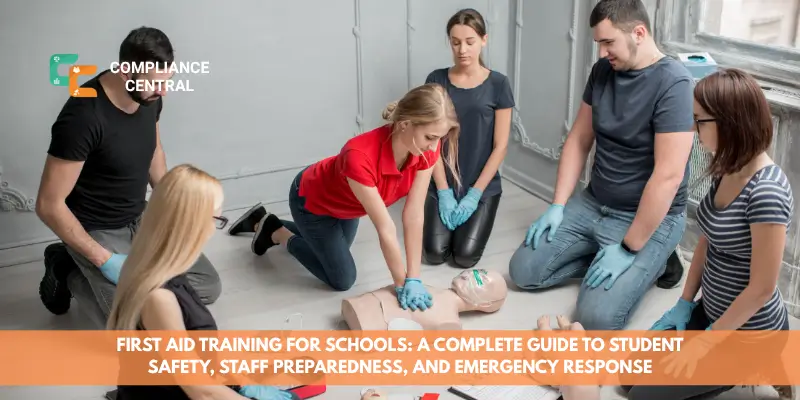
Schools are dynamic environments where children learn, play, and grow every day. From classroom lessons to playground activities, students are constantly engaged in physical and social interactions. While schools are designed to be safe and structured, accidents and medical emergencies can still happen at any time.
Children may experience injuries such as cuts, falls, burns, or even sudden illnesses like asthma attacks or allergic reactions. In many cases, teachers and school staff are the first people present when these situations occur. Their response in those first few moments can significantly impact the outcome.
This is why first aid training for schools is not just beneficial—it is essential. It ensures that staff members are equipped with the knowledge to respond quickly, calmly, and effectively. Proper training helps reduce panic, improves decision-making, and supports student wellbeing.
In this comprehensive guide, we will explore everything you need to know about first aid training for schools, including its importance, course types, benefits, key skills, and how schools can implement effective training programmes.
What Is First Aid Training for Schools?
First aid training for schools is a structured educational programme designed to equip teachers, support staff, and other school personnel with the knowledge and skills required to respond effectively to student injuries, illnesses, and medical emergencies. Unlike standard first aid courses, school-focused training considers the unique needs of children and the types of incidents that commonly occur in educational environments, such as playground accidents, sports-related injuries, classroom incidents, choking, allergic reactions, and sudden health conditions.
The training helps school staff understand how to recognise early signs of injury or illness, assess emergency situations, and provide appropriate immediate care until professional medical support becomes available. It also teaches staff how to remain calm under pressure, communicate effectively during emergencies, and follow suitable procedures to protect the safety and wellbeing of students.
School first aid training usually combines theoretical knowledge with practical guidance, allowing staff members to understand emergency procedures and apply them confidently when needed. By developing these essential skills, schools can create a more prepared environment where staff are better equipped to manage unexpected situations and support students during emergencies.
Table of Contents
Basic First Aid Training for just £11.99
Today!
You won’t find this deal anywhere else!
Take The CourseUse Coupon Code:
Use this coupon at Checkout
Who Needs First Aid Training in Schools?
A common misunderstanding is that only a small number of designated first aiders within a school need training. However, emergencies can happen anywhere and at any time, meaning that having multiple trained individuals across the school environment improves overall preparedness and response.
First aid training is valuable for:
➽ Teachers and teaching assistants – They spend the most time with students and are often the first adults available when an accident or medical issue occurs in classrooms or learning areas.
➽ Administrative and office staff – Office teams may be responsible for managing emergency communication, supporting injured students, or assisting during incidents that occur near reception areas or school facilities.
➽ School nurses and healthcare assistants – Healthcare staff benefit from specialised training to manage child-specific injuries, illnesses, and medical situations within the school setting.
➽ Playground supervisors – Staff supervising outdoor activities need first aid knowledge to respond quickly to falls, collisions, cuts, and other playground-related injuries.
➽ Sports coaches and extracurricular staff – Those involved in physical activities should understand how to manage sports injuries, strains, falls, and other incidents that may occur during activities.
Having several trained staff members ensures that immediate help is available regardless of where an emergency happens. Since incidents are unpredictable, a school-wide approach to first aid preparedness helps create a safer environment for students, staff, and visitors.
What Does School First Aid Training Cover?

School first aid training is designed around real-life situations that teachers and school staff may encounter during daily activities. The course content focuses on developing practical awareness and helping staff respond appropriately to common emergencies involving children.
Key areas covered often include:
➽ Basic life-saving awareness – Staff learn the importance of immediate action during serious emergencies and understand how to provide initial support while waiting for emergency services.
➽ Recognising signs of injury or illness – Training helps staff identify symptoms of common conditions, including breathing difficulties, allergic reactions, head injuries, and sudden illnesses that may require attention.
➽ Managing common school-related accidents – Staff learn how to respond to everyday incidents such as cuts, bruises, burns, falls, choking situations, and minor injuries that frequently occur in schools.
➽ Understanding emergency response procedures – Training provides guidance on how to follow school safety protocols, communicate incidents properly, and ensure that appropriate actions are taken during emergencies.
By covering these essential areas, school first aid training helps staff develop a clear and organised approach to handling unexpected situations. This preparation allows schools to respond more effectively, reduce risks, and provide better support for students when they need it most.
Why Is First Aid Training Important in Schools?
Immediate Response to Emergencies
In any emergency, the first few minutes are critical. Whether it is a fall, choking incident, or sudden illness, immediate action can prevent the situation from worsening.
First aid training ensures that staff do not hesitate. Instead, they are able to assess the situation and respond promptly, providing support until professional help arrives.
Ensuring Student Safety
Student safety is one of the most important responsibilities of any school. Parents trust that their children are in a secure environment.
By investing in first aid training, schools demonstrate a strong commitment to safety. Trained staff can manage incidents more effectively, reducing risks and ensuring better care for students.
Building Confidence Among Staff
Emergencies can be stressful, especially when individuals are unsure how to respond. Without training, even minor incidents can create confusion or panic.
First aid training builds confidence by providing clear guidance. Staff members feel more prepared, which allows them to stay calm and act appropriately during emergencies.
Meeting School Safety Responsibilities
Schools are expected to maintain a safe environment for students and staff. Having trained personnel is an important part of fulfilling this responsibility.
It ensures that schools are prepared to handle incidents effectively and maintain a structured approach to safety.
Types of First Aid Training Courses for Schools
Emergency First Aid Training
This course focuses on basic emergency response skills. It is suitable for handling urgent situations such as injuries or sudden illness.
It provides a foundation for understanding how to act quickly and responsibly in emergencies.
Paediatric First Aid Courses
Paediatric first aid courses are specifically designed for those working with children. These courses cover common childhood injuries and conditions, making them highly relevant for schools.
They help staff understand how children may respond differently to injuries compared to adults.

First Aid at Work Courses
This type of training covers a broader range of first aid topics and can be adapted for school environments.
It provides comprehensive knowledge that can be applied in various situations within the school setting.
Emergency First Aid at Work (EFAW) with Paediatric Element
This combined course includes both general first aid and child-focused training.
It is particularly useful for schools that want a well-rounded approach to safety and emergency preparedness.
What Is Included in School First Aid Training?
Managing Cuts, Bleeding, and Injuries
Minor injuries such as cuts and bruises are common in schools. These often occur during playtime or sports activities.
Training helps staff understand how to manage these injuries safely, ensuring proper care and reducing the risk of infection.
Handling Choking and Breathing Emergencies
Choking incidents can occur during meals or snack breaks. These situations require immediate attention.
First aid training helps staff recognise the signs of choking and understand the importance of acting quickly.
Responding to Burns and Scalds
Burns may occur in science labs, kitchens, or through accidental contact with hot objects.
Training provides guidance on recognising burns and taking appropriate steps to manage them safely.
Recognising Illnesses and Allergic Reactions
Students may experience sudden health issues such as asthma attacks or allergic reactions.
Training helps staff identify symptoms early and respond in a timely manner.
Dealing with Head Injuries and Falls
Falls are one of the most common incidents in schools. While many are minor, some may require careful observation.
First aid training helps staff recognise warning signs and take appropriate action.
Common Emergencies in Schools
Understanding common emergencies helps schools prepare more effectively. These include:
- Playground accidents
- Sports-related injuries
- Slips and falls
- Allergic reactions
- Sudden illnesses
Being aware of these situations allows schools to plan and respond more efficiently.
What Are the Benefits of First Aid Training for Schools?
Improved Safety Culture
First aid training promotes a culture of safety within the school. Staff become more aware of risks and take proactive steps to prevent accidents.
Faster Emergency Response
Trained staff can respond quickly, reducing the severity of injuries and improving outcomes.
Confidence for Staff and Students
Confidence in handling emergencies creates a more secure environment. Students also feel safer knowing that help is available.
Supports a Safe Learning Environment
A safe environment supports better learning. When safety is prioritised, students can focus on their education without unnecessary risks.
How to Choose the Right First Aid Training Provider for Schools?

Accreditation and Certification
Ensure that the course provider offers recognised and reliable training. This helps maintain quality and consistency.
Tailored Training for Schools
Some providers offer customised courses designed specifically for schools. These programmes address school-specific risks.
Flexible Delivery Options
Schools can choose between on-site and online training options. Flexibility makes it easier to schedule training sessions.
Reviews and Experience
Choosing an experienced provider with positive feedback ensures a better learning experience.
When Should First Aid Be Used in Schools?
Common Situations Requiring First Aid
- Injuries during play
- Sports accidents
- Minor health issues
Recognising Serious Situations
Some situations require immediate attention, such as:
- Difficulty breathing
- Severe bleeding
- Loss of consciousness
When to Seek Medical Help
First aid is only the first step. In serious cases, professional medical assistance should always be sought.
Conclusion
First aid training for schools is a vital part of ensuring student safety and preparedness. Schools are responsible for protecting children during their time on campus, and having trained staff plays a key role in achieving this goal.
By equipping teachers and staff with the knowledge to respond to emergencies, schools create a safer and more supportive environment. Preparedness not only improves safety outcomes but also builds confidence among staff and reassurance for parents.
For schools looking to strengthen their safety measures, enrolling staff in Paediatric First Aid Training is a practical and valuable step. This training provides essential knowledge for handling child-related emergencies and supports a proactive approach to safety.
Taking action today helps ensure that schools are ready to respond effectively to any situation, creating a safer future for every student.
Frequently Asked Questions (FAQ)
First aid training for schools is a programme designed to prepare teachers and staff to respond to student injuries, illnesses, and medical emergencies. It helps them provide immediate support until professional medical help arrives.
First aid is important because it allows staff to respond quickly and effectively when emergencies occur. It improves student safety, reduces risks, and helps create a more prepared learning environment.
Teachers, teaching assistants, administrative staff, school nurses, and anyone responsible for student care can benefit from first aid training. Having multiple trained staff members ensures support is available when needed.
Schools can choose from different courses, including emergency first aid, paediatric first aid, first aid at work, and combined courses. The right option depends on the school’s needs and responsibilities.
Yes, CPR awareness is commonly included in first aid training programmes. Staff learn the importance of CPR and how to respond appropriately during serious emergencies involving children.
Regular refresher training is recommended to keep first aid knowledge and skills up to date. Refreshers help staff remain confident and aware of current emergency procedures.
Yes, students can be introduced to basic first aid awareness suitable for their age group. Learning simple safety skills can help them understand emergencies and promote a safety-conscious culture.
Common school emergencies include falls, cuts, choking incidents, burns, allergic reactions, sports injuries, and sudden illnesses. Proper training helps staff respond more effectively to these situations.
Requirements vary depending on local regulations and school policies. However, first aid training is strongly recommended to ensure staff are prepared to protect students during emergencies.
The duration depends on the type of course, training provider, and level of content covered. Some courses can be completed in a few hours, while more detailed programmes may take longer.
Yes, many training providers offer on-site sessions designed around a school’s schedule and environment. This allows staff to learn together in a familiar setting.
A well-stocked first aid kit is essential for managing minor injuries and emergencies. Schools should regularly check supplies and ensure equipment is easily accessible to trained staff.
Schools can maintain safety through regular risk assessments, safety checks, emergency procedures, and refresher training. Ongoing preparation helps prevent incidents and improves emergency response.
Online courses can be effective when they are well-structured and provide clear guidance on first aid principles. They offer flexible learning options for busy school staff.
In serious emergencies, staff should provide immediate first aid support while contacting professional medical services. Staying calm and following emergency procedures is essential for protecting the student’s safety.

Related Blogs



Course Categories
- Workplace Safety
- Travel
- Training
- Therapy
- Technology
- Teaching and Education
- Teaching and Academics
- Teaching
- Stress Management
- Sports
- Safeguarding
- QLS Endorsed
- Public Speaking
- Psychology
- Project Management
- Philosophy
- Personal Development
- Nutrition & Diet
- Mental Health
- Marketing
- Management
- Lifestyle
- Leadership
- Law
- Language
- IT and Software
- Interpersonal Communication
- Hospitality
- Healthcare
- Health and Social Care
- Health and Safety
- Health and Fitness
- Hazard Awareness
- Forensic Science
- Food Safety
- Food Hygiene
- Food & Beverage
- First Aid
- Fire Safety
- Fashion Design
- Fashion
- Environment
- Entrepreneurship
- Engineering
- Employability
- Electronics
- Electrical Safety
- Education
- Development
- Design
- Data Science
- Counselling
- Cooking
- Construction
- Communication
- Cleaning
- Child Psychology
- Child Care
- Business Skills
- Business Skill
- Business
- Awareness
- Assertiveness
- Animal Care
- Agriculture
- Accounting and Finance