

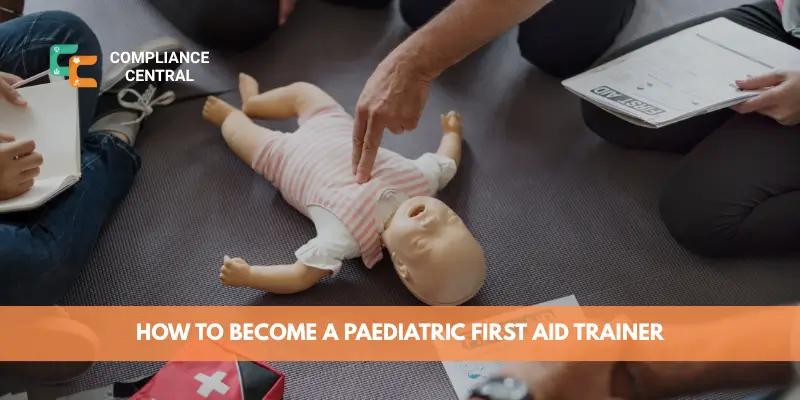
Paediatric first aid is an essential skill for anyone responsible for the safety and wellbeing of babies and children. Emergencies can happen without warning in schools, nurseries, sports clubs, community centres, or at home. A child may experience choking, breathing difficulties, an allergic reaction, a fall, or another serious incident where immediate support is required before medical professionals arrive.
Because children have different physical and emotional needs from adults, first aid must be delivered using age-appropriate techniques. This has created a growing need for qualified paediatric first aid trainers across the UK. These professionals teach parents, childcare workers, teachers, and caregivers how to respond calmly, recognise warning signs, and provide suitable care during common childhood emergencies.
Becoming a paediatric first aid trainer can offer a meaningful and flexible career path for people interested in education, healthcare, childcare, or public safety. Trainers play an important role in building confidence, improving emergency preparedness, and creating safer environments for children. This guide explains how to become a paediatric first aid trainer, including the qualifications, experience, certification, teaching skills, and ongoing development needed to begin working in this field.
Table of Contents
Paediatric First Aid Training for just £11.99
Today!
You won’t find this deal anywhere else!
Take The CourseUse Coupon Code:
Use this coupon at Checkout
How to Become a Paediatric First Aid Trainer

Step 1 – Understand the Role of a Paediatric First Aid Trainer
Before beginning the journey, it is important to understand the responsibilities of a paediatric first aid trainer. Trainers are tasked with:
- Educating childcare professionals, parents, and caregivers on first aid techniques.
- Conducting both practical demonstrations and theoretical lessons on child safety.
- Assessing learners to ensure they understand and can follow first aid procedures correctly.
- Keeping up to date with current first aid regulations and best practices.
Trainers can work in a variety of settings, including nurseries, schools, community centres, and private training organisations. Some trainers also deliver online courses, allowing access to wider audiences. Having a clear understanding of the role helps prepare for the responsibilities and expectations of the position.
Step 2 – Obtain a Paediatric First Aid Qualification
The first formal step in becoming a trainer is obtaining a paediatric first aid qualification. This certification provides the foundation for teaching first aid to others. Key aspects include:
➽ Course Content: Training typically covers topics such as CPR for babies and children, handling choking, managing bleeding, treating burns, and responding to common childhood illnesses.
➽ Accreditation: Choose a course recognised by national organisations to ensure your qualification is valid across the UK. Examples include well-established first aid organisations that meet UK standards.
➽ Benefits: Completing a paediatric first aid course provides a strong understanding of essential first aid procedures, which is a prerequisite for becoming a trainer.
It is important to select accredited courses to ensure that your certification is recognised and meets legal and professional standards for first aid education in the UK.
Step 3 – Gain Relevant Experience
Relevant experience in childcare, education, healthcare, or community support can strengthen your credibility as a future paediatric first aid trainer. Although previous childcare experience may not always be mandatory, working with children helps you understand their behaviour, communication needs, and common safety risks. It also allows you to connect first aid theory with realistic situations.
Useful ways to gain experience include:
➽ Work or volunteer in nurseries and schools – Supporting children in educational settings provides valuable insight into everyday hazards, supervision responsibilities, and emergency procedures.
➽ Observe experienced first aid trainers – Watching qualified trainers deliver lessons can help you understand effective teaching methods, practical demonstrations, learner assessments, and classroom management.
➽ Join child safety or community programmes – Participating in local health, youth, or safeguarding initiatives can develop your awareness of accident prevention and emergency response.
➽ Support sports clubs or youth groups – These environments can expose you to common childhood injuries and help you understand how emergencies may occur during physical activities.
➽ Assist with first aid training sessions – Helping to prepare equipment, support learners, or organise practical activities can provide useful experience before delivering
Step 4 – Research Accredited Training Providers
Before enrolling in a trainer course, it is important to research accredited training providers. Factors to consider include:
➽ Reputation: Look for training organisations with a history of providing first aid education.
➽ Accreditation: Ensure the provider meets national standards for paediatric first aid.
➽ Support: Check whether they offer ongoing support or resources for trainers.
➽ Reviews: Reading feedback from past participants can provide insights into course quality and reliability.
Selecting a reputable training provider is essential for gaining a recognised qualification and ensuring professional credibility in the field.
Step 5 – Complete a Paediatric First Aid Trainer Course
After selecting a provider, the next step is to enrol in a paediatric first aid trainer course. These courses are designed to teach the skills necessary to deliver first aid training effectively. Course content generally includes:
- Techniques for teaching first aid procedures to different audiences.
- Methods for assessing learner understanding and performance.
- Planning and delivering lessons in accordance with first aid regulations.
- Guidelines for maintaining a safe learning environment.
The duration of trainer courses varies, typically ranging from two to five days, depending on the provider and course structure. Upon completion, participants receive a certification that allows them to teach paediatric first aid officially.

Step 6 – Obtain Paediatric First Aid Trainer Certification
Obtaining a recognised paediatric first aid trainer certification is an important step towards delivering training professionally. It demonstrates that you have completed the required trainer preparation and can explain first aid procedures, assess learners, and manage practical activities safely.
The certification process usually involves:
➽ Completing an approved trainer course – Enrol with a reputable provider and complete all required theory, practical demonstrations, lesson-planning tasks, and assessments.
➽ Meeting assessment standards – You may need to demonstrate first aid techniques, deliver part of a training session, answer technical questions, and show that you can evaluate learner performance fairly.
➽ Receiving your trainer certificate – After successful completion, you will receive evidence of your qualification. The exact recognition and teaching permissions may depend on the provider, awarding organisation, or employer.
➽ Checking additional requirements – Some organisations may also ask for a current paediatric first aid certificate, a teaching qualification, occupational experience, insurance, or quality-assurance approval.
➽ Monitoring renewal dates – First aid and trainer certificates may need periodic renewal. Trainers should keep accurate records and complete refresher training before their qualifications expire.
A valid certification gives learners, employers, and training organisations greater confidence in your professional ability. However, certification alone is not enough. Trainers must also maintain current knowledge, follow updated guidance, use suitable training equipment, and meet any standards set by the organisation through which they deliver courses.
Step 7 – Develop Teaching and Communication Skills
Being a certified trainer requires effective teaching and communication skills to ensure learners understand and retain the information. Key elements include:
Teaching Strategies:
- Use clear, step-by-step instructions for first aid techniques.
- Incorporate hands-on demonstrations where learners can observe and participate.
- Encourage questions and provide constructive feedback to learners.
Communication Techniques:
- Tailor your language and explanations to suit different audiences, such as childcare staff or parents.
- Maintain clarity, confidence, and engagement during lessons.
- Use visual aids, handouts, and other resources to support learning.
Continuous improvement in teaching and communication ensures that learners receive high-quality instruction and are confident in their knowledge.
Step 8 – Stay Updated and Join Professional Networks
Paediatric first aid procedures and regulations are regularly updated. Staying current is essential for maintaining credibility and providing accurate training. Consider:
- Attending refresher courses and workshops.
- Subscribing to newsletters and updates from recognised first aid organisations.
- Joining professional networks to connect with other trainers and share best practices.
- Participating in seminars, conferences, and events related to child safety and first aid education.
Professional networking and continuous learning help trainers maintain high standards and provide learners with the most up-to-date information.
Related Questions About Becoming a Paediatric First Aid Trainer

What Qualifications Do I Need to Be a First Aid Trainer?
To become a paediatric first aid trainer, you normally need a recognised paediatric first aid qualification and strong knowledge of current first aid procedures. Many employers or training organisations may also expect a recognised teaching or training qualification, such as an Award in Education and Training.
Prospective trainers should demonstrate occupational competence, practical first aid knowledge, and the ability to assess learners fairly. Requirements can vary between training providers, awarding organisations, and employers, so candidates should check the exact criteria before enrolling.
How Do I Get Paediatric First Aid Certification?
The first step is to choose a recognised paediatric first aid course from a reputable training provider. The programme should cover essential topics such as CPR, choking, bleeding, burns, allergic reactions, seizures, and emergency care for babies and children.
Learners usually complete theoretical study alongside practical demonstrations and assessments. After meeting the required standards, they receive a certificate confirming their paediatric first aid knowledge. However, a standard first aid certificate alone may not qualify someone to teach, so a separate trainer qualification may also be necessary.
How Can I Become a Certified Trainer in the UK?
To become a certified trainer, candidates should complete a recognised paediatric first aid trainer programme. This training usually covers lesson planning, classroom delivery, practical demonstrations, learner assessment, feedback methods, and maintaining a safe training environment.
After successfully completing the required assessments, candidates may begin delivering training through an approved organisation or as an independent trainer, depending on their qualifications. Trainers must also maintain current first aid knowledge, renew certificates when required, and follow the standards set by their provider or awarding organisation.
How Much Do First Aid Trainers Earn in the UK?
First aid trainer earnings vary depending on experience, location, qualifications, working hours, and employment type. Full-time trainers may receive a fixed salary, while freelance trainers often charge per session, course, or learner.
Income may also depend on whether the trainer delivers workplace first aid, paediatric first aid, specialist courses, or private group sessions. Trainers with teaching qualifications, industry experience, and strong professional networks may access more opportunities and potentially increase their earnings.
Conclusion
Becoming a paediatric first aid trainer is a rewarding career that allows you to educate others while contributing to the safety of children. By following these steps—obtaining a paediatric first aid qualification, gaining experience, completing a trainer course, and maintaining ongoing professional development—you can establish yourself as a recognised trainer in the UK.
For those ready to take the next step, enrolling in a Paediatric First Aid Training course is an excellent way to start your journey. The course provides comprehensive guidance and support to help you become a qualified trainer and start teaching first aid confidently.
Taking action today can open doors to a meaningful career while empowering others with life-saving knowledge.
Frequently Asked Questions (FAQ)
Experience is beneficial but not always mandatory. It can improve confidence and credibility.
Generally, the process can take one to two weeks, depending on course availability.
Yes, many trainers offer virtual sessions that adhere to first aid standards.
Yes, certifications need to be renewed periodically to remain valid.
Look for recognised first aid organisations and training providers that meet national standards.
Professional indemnity and public liability insurance are recommended for trainers.
Yes, trainers can offer courses on a flexible schedule, including part-time or freelance options.
Effective communication, teaching ability, clarity, and organisational skills are key.
Some trainers extend courses to adults, provided they have the appropriate certification.
Costs vary depending on the provider and course length. Check accredited organisations for accurate information.
Not required, but having one can enhance credibility and opportunities.
Only after obtaining recognised certification and following UK regulations for accredited training.
Typically infants and children, although some courses may cover teens or adults caring for children.
Accredited providers often offer additional resources and guides for ongoing development.
Join professional networks, subscribe to newsletters, and attend refresher courses or workshops.

Related Blogs


Course Categories
- Workplace Safety
- Travel
- Training
- Therapy
- Technology
- Teaching and Education
- Teaching and Academics
- Teaching
- Stress Management
- Sports
- Safeguarding
- QLS Endorsed
- Public Speaking
- Psychology
- Project Management
- Philosophy
- Personal Development
- Nutrition & Diet
- Mental Health
- Marketing
- Management
- Lifestyle
- Leadership
- Law
- Language
- IT and Software
- Interpersonal Communication
- Hospitality
- Healthcare
- Health and Social Care
- Health and Safety
- Health and Fitness
- Hazard Awareness
- Forensic Science
- Food Safety
- Food Hygiene
- Food & Beverage
- First Aid
- Fire Safety
- Fashion Design
- Fashion
- Environment
- Entrepreneurship
- Engineering
- Employability
- Electronics
- Electrical Safety
- Education
- Development
- Design
- Data Science
- Counselling
- Cooking
- Construction
- Communication
- Cleaning
- Child Psychology
- Child Care
- Business Skills
- Business Skill
- Business
- Awareness
- Assertiveness
- Animal Care
- Agriculture
- Accounting and Finance