

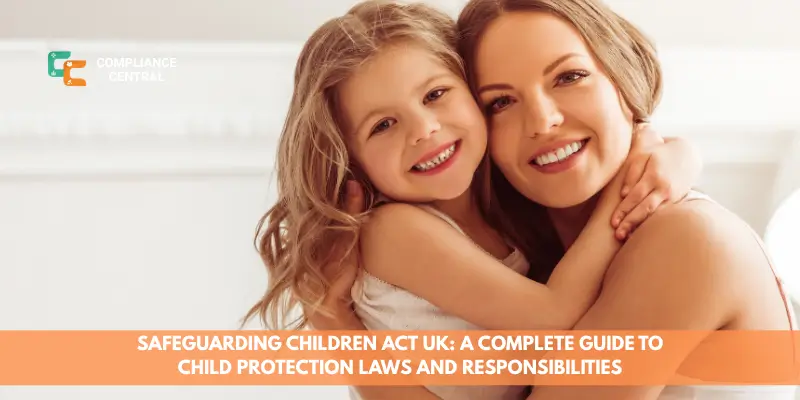
Safeguarding children is one of the most important responsibilities in any society, and in the United Kingdom, it is supported by a strong legal framework designed to protect children from harm and ensure their wellbeing. Every child has the right to grow up in a safe environment, free from abuse, neglect, and exploitation.
When people search for “Safeguarding Children Act UK”, they are usually trying to understand what law protects children, who is responsible for their safety, and how safeguarding works in practice. However, one important clarification is needed at the beginning: there is no single law officially called the “Safeguarding Children Act UK.” Instead, safeguarding children in the UK is supported by a combination of key laws, guidance, and policies that work together as a system.
These laws define responsibilities for schools, social services, healthcare professionals, and communities. They also explain how concerns should be reported, investigated, and acted upon to protect children effectively.
In this complete guide, you will learn:
- What the Safeguarding Children Act UK means
- The main UK laws that protect children
- Why safeguarding laws are important
- Who is responsible for safeguarding children
- What safeguarding covers under UK law
- How safeguarding procedures work in practice
- Safeguarding in schools and childcare settings
- Common misunderstandings about safeguarding law
- Frequently asked questions
By the end of this article, you will have a clear understanding of how child protection law works in the UK and why it is so important in everyday life.
Table of Contents
Safeguarding Children Level 3 for just £11.99
Today!
You won’t find this deal anywhere else!
Take The CourseUse Coupon Code:
Use this coupon at Checkout
Safeguarding Children Act UK – What Does It Mean?
The term “Safeguarding Children Act UK” is commonly used, but it does not refer to one specific piece of legislation. Instead, it refers to the overall legal framework in the UK that protects children from harm.
Safeguarding children in the UK is built on several key laws and statutory guidance documents that work together to ensure children are safe.
These include:
- Children Act 1989
- Children Act 2004
- Working Together to Safeguard Children guidance
- Additional laws related to education, health, and criminal justice
Together, these laws define how authorities and professionals must work to protect children.
Is There a Single Safeguarding Children Act in the UK?
No, there is no single “Safeguarding Children Act” in UK law.
Instead, safeguarding is a system made up of multiple laws and policies that work together.
This system ensures:
- Children are protected from harm
- Agencies work together effectively
- Early intervention is prioritised
- Legal action can be taken when necessary
So, when people refer to the “Safeguarding Children Act UK,” they are actually referring to the combined child protection legislation in the UK.
Key UK Laws That Support Safeguarding Children
To fully understand safeguarding, it is important to know the main laws behind it.
Children Act 1989
The Children Act 1989 is one of the most important child protection laws in the UK.
It introduced key principles such as:
- The child’s welfare is the most important consideration
- Parents have responsibilities and rights (parental responsibility)
- Local authorities must protect children at risk
This law laid the foundation for modern safeguarding systems in the UK.

Children Act 2004
The Children Act 2004 strengthened safeguarding systems further after several child protection failures.
Key features include:
- Requirement for organisations to work together
- Creation of Local Safeguarding Children Boards (LSCBs)
- Duty for agencies to share information
- Focus on early intervention
This law improved coordination between schools, social services, and healthcare systems.
Working Together to Safeguard Children Guidance
This is not a law but statutory guidance, meaning organisations must follow it.
It explains:
- How professionals should work together
- How to report safeguarding concerns
- Roles of different agencies
- Procedures for protecting children
It is one of the most important documents in UK safeguarding practice.
Other Related Laws
Safeguarding is also supported by additional legislation, including:
- Education Act 2002 (school safeguarding duties)
- Children and Social Work Act 2017
- Human Rights Act 1998
- Sexual Offences Act 2003
Together, these laws create a complete protection system for children.
Why Are Safeguarding Laws Important in the UK?
Safeguarding laws play a vital role in protecting children’s rights, safety, and wellbeing across all environments. They provide a clear framework that helps individuals and organisations prevent harm, respond to concerns, and ensure children receive the support they need.
1. Protection from Harm
Children may face different risks, including abuse, neglect, exploitation, or unsafe situations. Safeguarding laws help ensure protective measures are in place to reduce these risks and keep children safe.
2. Legal Responsibility
Safeguarding legislation establishes clear duties for organisations and professionals who work with children. It ensures that concerns are taken seriously and appropriate action is taken when a child may be at risk.
3. Early Intervention
A key purpose of safeguarding is identifying concerns before they become more serious. Early support and intervention can help prevent further harm and improve outcomes for children.
4. Multi-Agency Cooperation
Safeguarding requires different organisations, including schools, healthcare services, social services, and authorities, to work together. Sharing information and coordinating actions helps provide stronger protection for children.
5. Accountability
Safeguarding laws ensure that individuals and organisations follow proper procedures and maintain their responsibilities. Failure to follow safeguarding requirements can result in investigations, professional consequences, or legal action.
Who Is Responsible Under Safeguarding Children Law UK?
Safeguarding is a shared responsibility across society.
Schools and Teachers
Schools must:
- Protect children during school hours
- Train staff in safeguarding awareness
- Report concerns appropriately
Healthcare Professionals
Doctors and nurses:
- Identify signs of harm
- Report concerns to authorities
- Support child wellbeing

Social Services
Social workers:
- Investigate safeguarding concerns
- Provide support to families
- Create child protection plans
Police and Legal Authorities
They:
- Handle criminal investigations
- Protect children in serious cases
- Enforce legal action when needed
Parents and Guardians
Parents play a key role by:
- Providing safe environments
- Monitoring wellbeing
- Seeking help when needed
What Does Safeguarding Cover Under UK Law?
Safeguarding laws are designed to protect children from different types of harm that may affect their safety, development, and overall wellbeing. These protections cover both physical and emotional risks, including dangers that can occur in real-world and online environments.
Physical Abuse
Physical abuse involves any intentional action that causes injury, pain, or harm to a child. Safeguarding measures aim to identify and prevent situations where children may experience violence or physical mistreatment.
Emotional Abuse
Emotional abuse refers to ongoing behaviour or treatment that negatively affects a child’s confidence, emotional health, or psychological wellbeing. Safeguarding helps protect children from harmful experiences that may impact their development.
Sexual Abuse
Sexual abuse includes any inappropriate behaviour, exploitation, or activity involving a child. Safeguarding laws work to prevent children from being exposed to situations that threaten their safety, dignity, or wellbeing.
Neglect
Neglect occurs when a child’s essential needs are not properly provided, including food, shelter, medical care, education, supervision, or emotional support. Safeguarding aims to ensure children receive the care and protection required for healthy growth.
Online Safety and Exploitation
Safeguarding also covers risks associated with digital technology, including online abuse, exploitation, and unsafe internet interactions. Measures are taken to help protect children from harmful online experiences and promote safer digital use.
Safeguarding Procedures in the UK
Safeguarding is a structured process.
1. Identifying Concerns
Concerns may be identified through:
- Behaviour changes
- Physical signs
- Reports from others
2. Reporting Safeguarding Issues
Concerns must be reported to:
- Safeguarding leads in schools
- Social services
- Child protection teams
3. Investigation Process
Authorities:
- Assess risk
- Gather information
- Decide next steps
4. Multi-Agency Response
Different organisations work together to protect the child.
What Happens After a Safeguarding Concern Is Reported?
When a safeguarding concern is raised, it begins a structured process to understand the situation and determine the best way to support the child. The main priority is always protecting the child’s safety, wellbeing, and development.
The process usually includes:

➽ Initial Assessment Professionals review the concern, gather available information, and assess whether the child may be at risk.
➽ Risk Evaluation The level of risk is considered to determine what type of response and support may be required.
➽ Creating a Child Protection Plan If necessary, a plan may be developed to outline actions needed to protect the child and address identified concerns.
➽ Ongoing Monitoring and Support The child’s situation may continue to be reviewed to ensure safety measures remain effective and appropriate support is provided.
➽ Further Action When Required In serious cases, legal steps or involvement from relevant authorities may be necessary to protect the child.
The overall aim of the safeguarding process is to respond effectively, reduce risks, and ensure children receive the protection and care they need.
Safeguarding Children Law in Schools UK
Schools play a major role in safeguarding because they are environments where children spend a significant amount of time. Under UK safeguarding requirements, schools have clear responsibilities to protect students and maintain safe learning spaces.
Schools are expected to:
➽ Follow Safeguarding Policies Schools must have clear procedures for identifying, reporting, and managing safeguarding concerns.
➽ Carry Out DBS Checks Appropriate background checks help ensure that staff and individuals working with children meet safety requirements.
➽ Provide Regular Staff Training Teachers and school employees should receive safeguarding training so they can recognise warning signs and respond correctly.
➽ Appoint Safeguarding Leads Schools must have designated safeguarding professionals responsible for managing concerns and supporting effective procedures.
➽ Report Concerns Promptly Any concerns about a child’s safety must be taken seriously and reported through the correct channels.
Schools are one of the most important settings for safeguarding because they provide daily contact with children and can often identify concerns at an early stage.
Common Misunderstandings About Safeguarding Law
“There is one Safeguarding Act”
❌ Incorrect — safeguarding is a system of laws
“Only professionals are responsible”
❌ Incorrect — everyone has responsibility
“Safeguarding is only about abuse cases”
❌ Incorrect — it includes prevention and wellbeing
Importance of Safeguarding Awareness in the UK
Awareness helps:
- Prevent harm early
- Improve response time
- Strengthen community safety
- Support vulnerable children
Education and training are essential parts of safeguarding.
Conclusion
The term Safeguarding Children Act UK is often used to describe the UK’s child protection system, but in reality, safeguarding is built on a combination of important laws, guidance, and responsibilities rather than a single Act.
Laws such as the Children Act 1989, Children Act 2004, and Working Together to Safeguard Children guidance form the backbone of the UK’s safeguarding system. Together, they ensure that children are protected from harm, supported in their development, and cared for in safe environments.
Safeguarding is not just a legal requirement—it is a shared responsibility that involves schools, healthcare professionals, social workers, parents, and the wider community. Every adult has a role to play in identifying risks, responding to concerns, and ensuring children’s safety.
While understanding the law is important, practical awareness is equally essential. Learning how safeguarding works in real-life situations helps individuals act confidently and responsibly when needed.
For those who want to deepen their understanding, enrolling in a Safeguarding Children Level 3 Course can provide valuable knowledge about responsibilities, procedures, and real-world application of safeguarding principles. This helps build safer environments for children at home, in schools, and in the community.
A safer future for children depends on awareness, responsibility, and action—and safeguarding law is the foundation that supports it all.
Frequently Asked Questions (FAQ)
The term “Safeguarding Children Act UK” is commonly used to describe the overall child protection system in the UK. It refers to a combination of laws, guidance, and policies rather than one specific Act.
No, the UK does not have one single law called the Safeguarding Children Act. Child safeguarding is supported by multiple pieces of legislation and official guidance working together.
Key safeguarding laws include the Children Act 1989, Children Act 2004, and Working Together to Safeguard Children guidance. These provide the foundation for protecting children and coordinating responsibilities.
Safeguarding is a shared responsibility between parents, schools, healthcare professionals, social services, and communities. Everyone has a role in identifying risks and supporting children’s safety.
The Children Act 1989 focuses on protecting children’s welfare and establishing responsibilities for parents and local authorities. It provides important legal principles for child protection in the UK.
Working Together to Safeguard Children is official guidance that explains how organisations should cooperate to protect children. It outlines roles, procedures, and expectations for effective safeguarding practice.
When concerns are reported, professionals assess the situation and gather relevant information. Appropriate actions are then taken to protect the child and provide necessary support.
Safeguarding protections apply to all children and young people under the age of 18. It covers their safety and wellbeing across homes, schools, communities, and online environments.
Yes, schools have important legal responsibilities to protect children and follow safeguarding procedures. They must train staff, report concerns, and maintain safe learning environments.
Safeguarding laws help protect children from harm, abuse, and neglect while ensuring organisations respond properly to concerns. They create a coordinated approach to keeping children safe.

Related Blogs

Course Categories
- Workplace Safety
- Travel
- Training
- Therapy
- Technology
- Teaching and Education
- Teaching and Academics
- Teaching
- Stress Management
- Sports
- Safeguarding
- QLS Endorsed
- Public Speaking
- Psychology
- Project Management
- Philosophy
- Personal Development
- Nutrition & Diet
- Mental Health
- Marketing
- Management
- Lifestyle
- Leadership
- Law
- Language
- IT and Software
- Interpersonal Communication
- Hospitality
- Healthcare
- Health and Social Care
- Health and Safety
- Health and Fitness
- Hazard Awareness
- Forensic Science
- Food Safety
- Food Hygiene
- Food & Beverage
- First Aid
- Fire Safety
- Fashion Design
- Fashion
- Environment
- Entrepreneurship
- Engineering
- Employability
- Electronics
- Electrical Safety
- Education
- Development
- Design
- Data Science
- Counselling
- Cooking
- Construction
- Communication
- Cleaning
- Child Psychology
- Child Care
- Business Skills
- Business Skill
- Business
- Awareness
- Assertiveness
- Animal Care
- Agriculture
- Accounting and Finance