


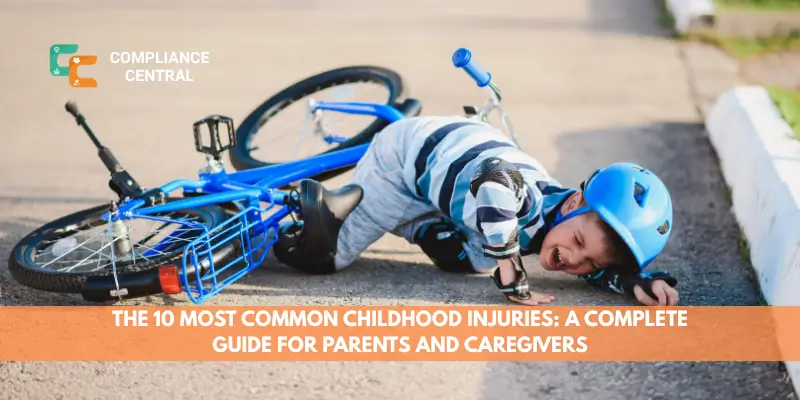
Childhood is a time of exploration, learning, and growth. Children are naturally curious, energetic, and eager to discover the world around them. While this curiosity is essential for development, it also increases the risk of accidents and injuries. From playing at home to participating in outdoor activities, children can encounter a variety of situations that may lead to harm.
Understanding the 10 most common childhood injuries is essential for parents, caregivers, and educators. Awareness of these injuries helps in early recognition, prevention, and appropriate response when incidents occur. Whether it’s a minor scrape or a more serious situation, being prepared can make a significant difference in ensuring a child’s safety and wellbeing.
In this guide, we will explore the most common types of injuries in children, their causes, prevention strategies, and when to seek medical attention.
Table of Contents
Diploma in Child Care at QLS Level 4 for just £11.99
Today!
You won’t find this deal anywhere else!
Take The CourseUse Coupon Code:
Use this coupon at Checkout
The 10 Most Common Childhood Injuries
Children experience different types of injuries depending on their age, development stage, surroundings, and daily activities. While many childhood injuries are minor and can be treated with basic first aid, some may require medical attention. Understanding the most common childhood injuries helps parents, caregivers, and educators recognise risks, take preventive measures, and respond appropriately when accidents happen.
1. Falls
Falls are one of the most common causes of injury among children of all ages. They can happen almost anywhere, including homes, playgrounds, schools, parks, and sports areas. Younger children may fall while learning to crawl, walk, or climb, while older children may experience falls during physical activities, cycling, or sports.
Common causes of falls include slippery floors, uneven surfaces, unsecured furniture, climbing on unsafe objects, and lack of supervision. Many falls only result in minor bruises, bumps, or scratches, but more serious falls can cause fractures, sprains, or head injuries. Creating safe environments, supervising young children, and teaching safe play habits can help reduce the likelihood of fall-related injuries.
2. Cuts and Scrapes
Cuts and scrapes are among the most frequent minor injuries experienced by children. They often occur during outdoor play, sports activities, falls on rough surfaces, or accidental contact with sharp objects such as toys, tools, or household items.
Although most cuts and scrapes are not serious, proper care is important to prevent infection and support healing. The injured area should be cleaned carefully, protected with a suitable dressing if needed, and monitored for signs of infection. Teaching children basic safety awareness and keeping potentially dangerous objects out of reach can help reduce these injuries.

3. Burns
Burn injuries can occur when children come into contact with hot liquids, flames, electrical sources, chemicals, or heated objects. Kitchens are one of the most common locations for burns because children may accidentally touch hot food, boiling water, cooking equipment, or hot surfaces.
Young children are especially vulnerable because they may not understand the dangers associated with heat. Burns can vary from mild skin irritation to more serious injuries requiring medical treatment. Preventive measures such as keeping hot items away from children, using safety guards, and supervising children around heat sources are essential for reducing burn risks.
4. Head Injuries
Head injuries are common among children due to falls, collisions, playground accidents, cycling incidents, and contact sports. Many head injuries are minor and may only cause temporary discomfort, swelling, or bruising. However, some injuries can be more serious and require careful monitoring.
Parents and caregivers should pay attention to warning signs such as confusion, dizziness, unusual behaviour, persistent vomiting, or loss of consciousness after a head injury. Providing safe play areas, using appropriate protective equipment, and supervising high-risk activities can help prevent many head injuries.
5. Fractures (Broken Bones)
Fractures are common childhood injuries, especially among active children who participate in running, climbing, jumping, and sports activities. Children often experience broken bones in the arms, wrists, and hands because they naturally use their arms to protect themselves when falling.
While some fractures may heal with basic medical care and support, others may require specialist treatment, immobilisation, or follow-up appointments. Encouraging safe physical activity, ensuring playground equipment is suitable for children, and using protective gear during sports can help reduce fracture risks.
6. Choking Incidents
Choking is a serious childhood emergency, particularly among babies and toddlers who are still developing chewing and swallowing skills. Small objects, pieces of food, toys, and household items can accidentally block a child’s airway and make breathing difficult.
Young children often explore objects by putting them in their mouths, which increases the risk of choking. Caregivers should supervise children during meals and playtime, avoid giving unsuitable foods or small objects, and learn appropriate first aid responses for choking situations.
7. Poisoning
Childhood poisoning can happen when children accidentally swallow harmful substances such as cleaning products, medicines, chemicals, cosmetics, or certain plants. Because children are naturally curious and may not recognise danger, they can easily come into contact with unsafe items.
Preventing poisoning requires careful storage practices, including keeping chemicals and medications locked away and out of children’s reach. Products should remain in their original containers with clear labels, and caregivers should avoid leaving potentially harmful substances unattended.
8. Drowning and Near-Drowning
Drowning is one of the most serious childhood accidents and can happen quickly in places such as swimming pools, bathtubs, ponds, buckets, and other water sources. Young children are particularly vulnerable because they may not understand water dangers and may not be able to call for help.
Constant supervision is one of the most effective ways to prevent drowning incidents. Safety measures such as pool barriers, teaching children water safety skills, and ensuring appropriate supervision around water can significantly reduce risks.
9. Animal Bites and Stings
Children may experience injuries from animal bites or insect stings while playing outdoors or interacting with pets. Dogs, cats, insects, and other animals can cause injuries ranging from minor discomfort and swelling to more serious wounds or allergic reactions.
Teaching children how to behave safely around animals is important for prevention. They should learn not to disturb animals while they are eating, sleeping, or caring for their young. Caregivers should also monitor children around unfamiliar animals and seek medical advice if a bite or sting appears serious.
10. Sports and Playground Injuries
Sports and playground activities are important for children’s physical development, but they can also increase the risk of injuries. Common injuries include bruises, sprains, strains, falls, and collisions with other children or equipment.
Many sports-related injuries can be reduced through proper preparation, supervision, and safety measures. Children should use suitable protective equipment, follow activity rules, and play on well-maintained equipment. Adults supervising sports and playground activities should ensure children understand safe behaviours and know how to respond if an injury occurs.
What Is the Most Common Injury in Children?

Falls as the Leading Cause
Falls are considered one of the most common causes of injury among children of different age groups. Children are naturally active, curious, and eager to explore their surroundings, which often involves climbing, running, jumping, and experimenting with new movements. During early childhood, balance, coordination, and judgement are still developing, making children more likely to lose their balance or misjudge potential hazards.
Young children may experience falls while learning to crawl, walk, or climb furniture, while older children may fall during sports, playground activities, cycling, or other physical activities. Common environments where falls occur include homes, schools, playgrounds, and outdoor recreational areas.
Although many falls only result in minor injuries such as bruises, bumps, and small cuts, some can lead to more serious problems, including fractures, sprains, or head injuries. The severity of a fall often depends on factors such as the height of the fall, the surface landed on, and the child’s age.
Parents, caregivers, and educators can reduce the risk of fall-related injuries by creating safer environments, supervising children during higher-risk activities, using appropriate safety equipment, and teaching children safe behaviours. Understanding why falls happen and how to prevent them is an important part of keeping children protected during everyday activities.
Where Do Most Injuries Happen?
Most childhood injuries occur in everyday environments, including:
- At home: Slippery floors, stairs, and furniture
- At school: Playgrounds, classrooms, and sports areas
- Outdoors: Parks, roads, and recreational spaces
Understanding where injuries are most likely to occur helps caregivers take preventive measures.
What Are the Main Causes of Childhood Injuries?
Lack of Supervision
Young children require close supervision, especially during play and daily activities. Without proper monitoring, they may encounter risks that lead to injury.
Unsafe Environments
Hazards such as sharp objects, open flames, and unsecured furniture can increase the risk of accidents. Creating a safe environment is essential for prevention.
Developmental Curiosity
Children learn by exploring, touching, and experimenting. While this is important for development, it can also lead to risky situations if not guided properly.
Improper Safety Measures
The absence of safety equipment, such as helmets, safety gates, or protective gear, can increase the likelihood of injury. Ensuring appropriate safety measures are in place is important.
How Can Childhood Injuries Be Prevented?
Home Safety Measures
- Install safety gates near stairs
- Secure heavy furniture to walls
- Keep floors dry and free from obstacles
Safe Play Practices
- Supervise children during playtime
- Ensure playground equipment is safe and well-maintained
- Encourage safe play behaviors
Proper Storage of Hazardous Items
- Store medicines and chemicals out of reach
- Use childproof locks where necessary
- Keep sharp objects safely stored
Teaching Basic Safety Rules
- Teach children not to touch hot objects
- Encourage safe behavior around water
- Explain the importance of avoiding dangerous items
When Should You Seek Medical Help?

Signs of Serious Injury
Seek medical attention if a child shows:
- Difficulty breathing
- Severe bleeding
- Loss of consciousness
Head Injury Warning Signs
- Persistent vomiting
- Confusion or unusual behavior
- Severe headache
Burns and Fractures That Need Attention
- Large or deep burns
- Visible bone deformity
- Severe pain or swelling
Recognizing these signs early helps ensure appropriate care is provided.
Conclusion
Understanding the 10 most common childhood injuries is an important step toward ensuring children’s safety. From falls and burns to choking and poisoning, these injuries can occur in everyday situations. However, with proper awareness, supervision, and preventive measures, many of these incidents can be avoided.
Being prepared is equally important. Knowing how to respond quickly and appropriately can make a significant difference in managing injuries and ensuring a child’s wellbeing.
For those who want to build confidence in handling such situations, enrolling in a Paediatric First Aid Training course can be highly beneficial. This course provides guidance on how to respond effectively to common childhood injuries and emergencies, helping caregivers support children safely and responsibly.
Taking proactive steps today can help create a safer environment for children and provide peace of mind for families and caregivers alike.
Frequently Asked Questions (FAQ)
Falls are the most common childhood injuries because children are naturally active and curious. Developing balance, coordination, and awareness can make them more likely to trip, slip, or fall during daily activities.
The most common childhood injuries include falls, burns, choking, poisoning, fractures, and cuts or scrapes. These injuries can happen during everyday activities at home, school, or outdoor environments.
Children are still developing their balance, coordination, and judgement, which increases the risk of falling. Their curiosity and active behaviour also encourage climbing, running, and exploring new environments.
Parents can reduce injury risks by creating a safe home environment, supervising children, and removing potential hazards. Safety equipment such as stair gates and childproof locks can also provide additional protection.
Immediate action is required when a child is choking to help clear the airway and restore normal breathing. Caregivers should learn appropriate choking first aid techniques and seek emergency help when necessary.
Yes, playground injuries are common because children often run, climb, and use equipment that can create fall or collision risks. Proper supervision and well-maintained playgrounds help reduce these incidents.
Burns can be prevented by keeping hot liquids, appliances, and flames away from children. Adults should supervise children in kitchens and bathrooms where many burn accidents occur.
Paediatric first aid training helps parents respond quickly to emergencies such as choking, burns, or injuries at home, giving them confidence and the ability to protect their children effectively.
Signs of a serious head injury may include confusion, persistent vomiting, unusual behaviour, dizziness, or loss of consciousness. Medical advice should be sought if these symptoms appear after an accident.
Poisoning risks can be reduced by storing medicines, cleaning products, and chemicals safely out of children’s reach. Keeping harmful substances in their original containers also helps prevent accidental ingestion.
A child safety plan should include supervision strategies, emergency contacts, hazard prevention methods, and first aid knowledge. It helps caregivers respond quickly and effectively during unexpected situations.
A child safety plan should include supervision strategies, emergency contacts, hazard prevention methods, and first aid knowledge. It helps caregivers respond quickly and effectively during unexpected situations.
Supervision plays a major role in preventing childhood injuries by helping adults identify risks early. Close monitoring is especially important during playtime, outdoor activities, and situations involving water or small objects.
Younger children are often more at risk because they are curious but have limited awareness of danger. Babies and toddlers require closer supervision due to their developing movement and decision-making skills.
Yes, first aid training provides essential knowledge and practical skills for responding to childhood injuries. It helps caregivers stay calm, provide immediate support, and take appropriate action until medical help arrives.
After an animal bite, clean the affected area carefully and monitor for signs of infection. Medical advice should be sought if the injury is serious, deep, or shows concerning symptoms.
Home safety checks should be carried out regularly to identify and remove potential hazards. Reviewing safety measures as children grow is important because their abilities and risks change over time.

Related Blogs

Course Categories
- Workplace Safety
- Travel
- Training
- Therapy
- Technology
- Teaching and Education
- Teaching and Academics
- Teaching
- Stress Management
- Sports
- Safeguarding
- QLS Endorsed
- Public Speaking
- Psychology
- Project Management
- Philosophy
- Personal Development
- Nutrition & Diet
- Mental Health
- Marketing
- Management
- Lifestyle
- Leadership
- Law
- Language
- IT and Software
- Interpersonal Communication
- Hospitality
- Healthcare
- Health and Social Care
- Health and Safety
- Health and Fitness
- Hazard Awareness
- Forensic Science
- Food Safety
- Food Hygiene
- Food & Beverage
- First Aid
- Fire Safety
- Fashion Design
- Fashion
- Environment
- Entrepreneurship
- Engineering
- Employability
- Electronics
- Electrical Safety
- Education
- Development
- Design
- Data Science
- Counselling
- Cooking
- Construction
- Communication
- Cleaning
- Child Psychology
- Child Care
- Business Skills
- Business Skill
- Business
- Awareness
- Assertiveness
- Animal Care
- Agriculture
- Accounting and Finance