


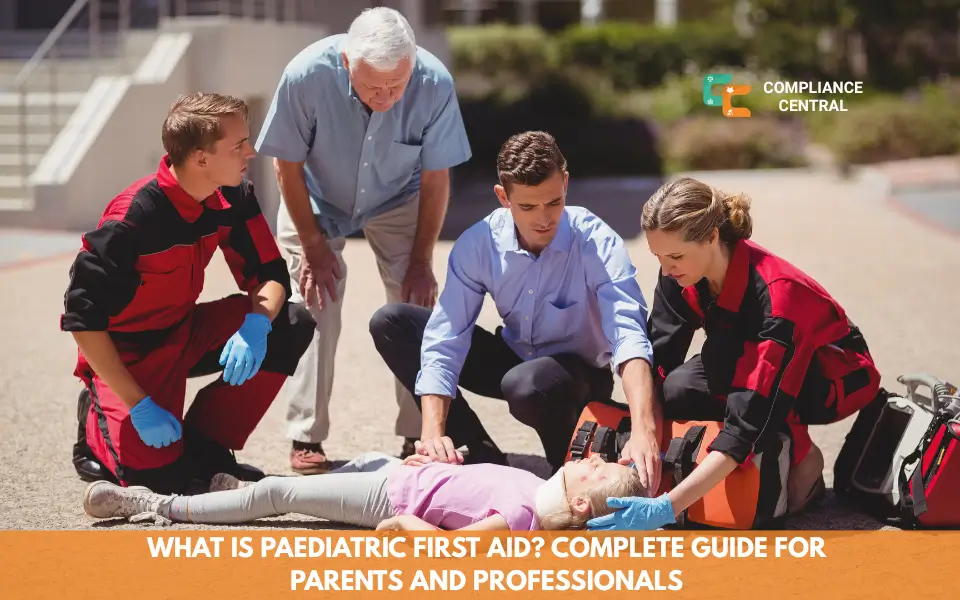
Accidents and medical emergencies involving children can happen anywhere — at home, school, daycare, or playgrounds. While these situations are often sudden and unexpected, knowing how to respond appropriately can make the difference between life and death. This is where paediatric first aid becomes a vital skill.
Paediatric first aid is a specialized branch of first aid focused on infants, toddlers, and children. It equips caregivers, parents, and professionals with the knowledge and practical skills to provide immediate care during emergencies until professional help arrives.
In this comprehensive guide, we will explore everything about paediatric first aid — from its definition and key skills to training, practical steps, benefits, and legal requirements. By the end, you’ll understand why every adult responsible for a child should be trained in this life-saving practice.
What is Paediatric First Aid?
At its core, paediatric first aid refers to the immediate assistance given to a child or infant suffering from injury or sudden illness. Unlike adult first aid, paediatric first aid considers the physiological and anatomical differences in children. Infants and young children respond differently to injuries and medical conditions, which is why specialized techniques are necessary.
For instance, the process of CPR for an infant differs significantly from that for an adult, with emphasis on delicate chest compressions and specific airway management.
Meaning of Paediatric First Aid
Simply put, paediatric first aid is first aid tailored to children and infants. It focuses on stabilizing a child’s condition, preventing further harm, and preparing them for professional medical care. Whether a child is choking, suffering a burn, or experiencing an allergic reaction, paediatric first aid ensures timely and appropriate response.
Core Principles of Paediatric First Aid
The foundation of paediatric first aid lies in the primary survey, often remembered by the acronym DRABC:
- D – Danger: Ensure the environment is safe for both the rescuer and the child.
- R – Response: Check if the child is conscious and responsive.
- A – Airway: Ensure the airway is clear.
- B – Breathing: Check for breathing and provide rescue breaths if necessary.
- C – Circulation: Assess the pulse and perform CPR if required.
By following these principles, caregivers can make informed decisions in high-pressure situations, significantly increasing the child’s chances of survival.
Paediatric First Aid Training for just £11 Today!
You won’t find this deal anywhere else!
Take The CourseUse Coupon Code:
Use this coupon at Checkout
Table of Contents
Key Skills Learned in Paediatric First Aid
Paediatric first aid training equips learners with a variety of critical skills. These skills are tailored to the unique needs of children and infants, emphasizing both prevention and emergency response.
CPR for Babies and Children
Cardiopulmonary resuscitation (CPR) is one of the most important skills in paediatric first aid. Children’s heart rates, chest size, and lung capacity differ from adults, so techniques vary:
- Infants (under 1 year): Use two fingers for chest compressions, at a depth of approximately 4 cm, with gentle breaths.
- Children (1 year to puberty): Use one or two hands for compressions, deeper than infants, but lighter than adults.
Knowing the recovery position is also critical. It helps maintain an open airway while waiting for emergency services.
Choking First Aid
Choking is a common emergency in children, often caused by small objects or food. Paediatric first aid teaches:
- Identifying partial vs complete airway obstruction.
- Techniques for infants (back blows and chest thrusts) vs older children (abdominal thrusts).
- When to call emergency services if initial measures fail.
Treating Burns, Cuts, and Wounds
Children are prone to injuries like burns, cuts, and bruises. Paediatric first aid covers:
- Cooling burns immediately with running water.
- Cleaning and dressing cuts to prevent infection.
- Recognizing signs of serious injuries that require medical attention.
Managing Allergic Reactions and Anaphylaxis
Allergic reactions can escalate quickly in children. Paediatric first aid teaches:
- Recognizing early signs: hives, swelling, difficulty breathing.
- Administering epinephrine using auto-injectors.
- Monitoring for delayed reactions and preparing for emergencies.
Head Injuries and Seizures
Head injuries and seizures can be alarming. Paediatric first aid focuses on:
- Identifying signs of concussion or serious head trauma.
- Protecting the child during seizures without causing harm.
- Providing comfort and monitoring until professional help arrives.
Who Should Take a Paediatric First Aid Course?

Paediatric first aid is essential for anyone responsible for the safety and well-being of children. This includes:
- Parents and guardians: To ensure safety at home or on outings.
- Childcare professionals: Nursery workers, preschool teachers, and daycare staff.
- Health and social care workers: Especially those working with infants and children.
- Sports coaches and activity leaders: Where children are physically active.
In short, any adult caring for children should be trained. Knowing paediatric first aid can save lives, prevent complications, and give caregivers confidence in emergencies.
What is Paediatric First Aid Training?
Paediatric first aid training is a structured program that provides knowledge, practical skills, and certification to handle emergencies involving children and infants. These courses combine theory, hands-on practice, and scenario-based learning to ensure readiness.
Training Methods
Training can be delivered through:
- Classroom-based courses: Traditional learning with demonstrations.
- Online courses: Flexible learning for theoretical knowledge, sometimes with optional practical sessions.
- Blended learning: Combines online modules with in-person practical sessions.
Certification and Renewal
- Most paediatric first aid certifications are valid for three years.
- Refresher courses are recommended to maintain skills and stay updated with the latest guidelines.
Certification and Renewal
- DRABC primary survey.
- CPR for infants and children.
- Choking management.
- Burns, cuts, and wound care.
- Allergic reactions and anaphylaxis response.
- Seizures, head injuries, and shock management.
- Emergency response planning and communication.
Four Steps in Paediatric First Aid
Although paediatric emergencies vary, the general response can be broken down into four critical steps:
Step 1 – Assess the Situation
Before approaching the child, check the environment for hazards. Safety for both the rescuer and the child is paramount. Quick assessment prevents additional injuries.
Step 2 – Primary Survey
Perform the DRABC assessment:
- Ensure the airway is clear.
- Check for breathing and provide rescue breaths if necessary.
- Evaluate circulation and pulse.
This step helps identify life-threatening conditions early.
Step 3 – Provide Immediate Care
Administer first aid based on the identified emergency:
- CPR for cardiac arrest or unresponsiveness.
- Back blows or abdominal thrusts for choking.
- Burns, bleeding, or injury care as appropriate.
Step 4 – Seek Professional Help
- Always call emergency services if the child’s condition is serious or worsening.
- Monitor the child continuously until help arrives.
- Provide accurate information to paramedics or medical staff.
Paediatric First Aid in Different Settings

Emergency response may vary depending on the setting. Training prepares caregivers for multiple environments.
Schools and Educational Institutions
- Staff are often legally required to hold paediatric first aid certification.
- Emergency plans and regular drills improve safety.
Daycare Centers
- Regulations may mandate trained first aid personnel on-site.
- Procedures include regular safety audits and incident reporting.
Parents and Guardians
- Even at home, quick thinking and paediatric first aid can prevent minor injuries from escalating.
- Having a well-stocked first aid kit and knowledge of emergency procedures is critical.
Paediatric First Aid Kit Essentials
A paediatric first aid kit should be accessible, fully stocked, and age-appropriate. Key items include:
- Disposable gloves and antiseptic wipes.
- Bandages, plasters, and sterile dressings.
- Burn dressings and cold packs.
- Thermometer and basic medications (e.g., pain relievers suitable for children).
- Epinephrine auto-injectors for known allergies.
- Scissors, tweezers, and CPR mask or shield.
Importance and Benefits of Paediatric First Aid
Life-Saving Skills
The primary benefit is the ability to save lives in emergencies such as choking, drowning, or cardiac arrest.
Confidence in Emergencies
Training provides caregivers with confidence to act calmly and effectively under pressure.
Professional Advantages
Childcare workers with paediatric first aid certification are highly valued by employers and meet legal requirements in many regions.
Promotes Safety Culture
Schools, daycare centers, and sports facilities with trained personnel foster safer environments for children.
Conclusion
Paediatric first aid is an essential skill that can make a real difference in a child’s life. Emergencies like choking, burns, allergic reactions, or head injuries can happen anywhere, often without warning. Knowing how to respond calmly and correctly ensures that children receive immediate care, reduces the risk of serious complications, and can even save lives.
Whether you are a parent, guardian, teacher, daycare worker, or healthcare professional, having paediatric first aid knowledge is not just beneficial—it is vital. It provides confidence, ensures compliance with safety regulations, and promotes a secure environment for children in your care.
To gain comprehensive, hands-on skills in paediatric emergency care, consider enrolling in our Diploma in Paediatric First Aid. This professionally recognized course covers CPR, choking management, burns and wound care, allergic reactions, and much more, combining both theoretical knowledge and practical training.
Take the first step in safeguarding children’s lives—[Enroll in the Diploma in Paediatric First Aid Today] and become a confident, certified caregiver capable of handling emergencies effectively.
Frequently Asked Questions (FAQ)
Paediatric first aid is immediate care given to infants and children during illness or injury, before professional help arrives.
It refers to specialized first aid adapted to the unique needs of children and infants.
Assess the situation → Primary survey (DRABC) → Provide immediate care → Seek professional help.
Parents, childcare professionals, teachers, coaches, and health workers caring for children.
Courses typically last 1–2 days for practical and theoretical training. Online modules may take less time.
Yes, techniques differ due to children’s size, anatomy, and physiological responses.

Related Blogs

Course Categories
- Workplace Safety
- Travel
- Training
- Therapy
- Technology
- Teaching and Education
- Teaching and Academics
- Teaching
- Stress Management
- Sports
- Safeguarding
- QLS Endorsed
- Public Speaking
- Psychology
- Project Management
- Philosophy
- Personal Development
- Nutrition & Diet
- Mental Health
- Marketing
- Management
- Lifestyle
- Leadership
- Law
- Language
- IT and Software
- Interpersonal Communication
- Hospitality
- Healthcare
- Health and Social Care
- Health and Safety
- Health and Fitness
- Hazard Awareness
- Forensic Science
- Food Safety
- Food Hygiene
- Food & Beverage
- First Aid
- Fire Safety
- Fashion Design
- Fashion
- Environment
- Entrepreneurship
- Engineering
- Employability
- Electronics
- Electrical Safety
- Education
- Development
- Design
- Data Science
- Counselling
- Cooking
- Construction
- Communication
- Cleaning
- Child Psychology
- Child Care
- Business Skills
- Business Skill
- Business
- Awareness
- Assertiveness
- Animal Care
- Agriculture
- Accounting and Finance