


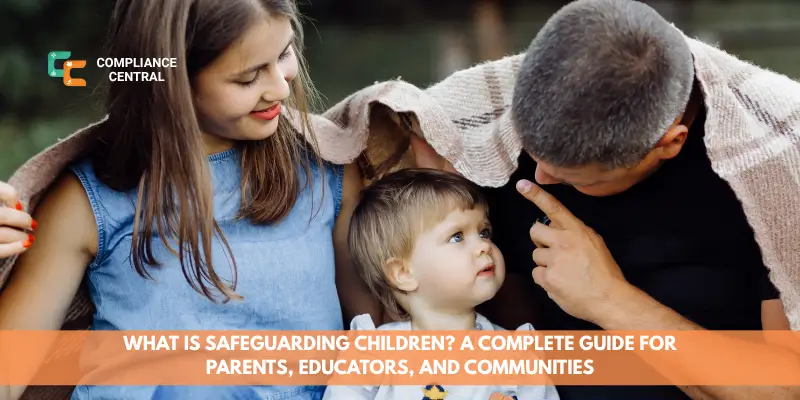
Children are among the most vulnerable members of society, and their safety depends greatly on the awareness, care, and responsibility of the adults around them. Every child has the right to grow up in a safe, supportive, and nurturing environment where they feel protected and valued. However, risks such as neglect, abuse, exploitation, and unsafe situations can still occur in homes, schools, online environments, and communities. This makes understanding safeguarding children essential for everyone, including parents, guardians, educators, caregivers, and community members.
Safeguarding children refers to the systems, procedures, and actions put in place to protect children from harm while supporting their overall wellbeing, development, and rights. It is not only about responding when a problem occurs but also about preventing risks through awareness, safe practices, and early intervention. In modern society, safeguarding has become an important responsibility within schools, childcare settings, healthcare services, and social care organisations, with clear policies and frameworks helping adults identify concerns and take appropriate action.
In this complete guide, you will learn what safeguarding children means, why it is important, the difference between safeguarding and child protection, the types of harm it aims to prevent, and who is responsible for keeping children safe. You will also explore safeguarding policies, warning signs of concern, practical ways to promote child safety, actions to take when concerns arise, and common misconceptions about safeguarding. By the end of this article, you will have a clearer understanding of how safeguarding works and how it applies to protecting children in everyday situations.
Table of Contents
Safeguarding Children Level 3 for just £11.99
Today!
You won’t find this deal anywhere else!
Take The CourseUse Coupon Code:
Use this coupon at Checkout
What Is Safeguarding Children?
Safeguarding children is the process of protecting children from harm, abuse, neglect, and exploitation, while ensuring their overall health, safety, and development.
It includes all actions taken to:
- Prevent harm before it happens
- Protect children from unsafe situations
- Promote physical and emotional wellbeing
- Support safe environments at home, school, and in the community
- Ensure children’s rights are respected
When people ask what is safeguarding children, the simplest answer is:
It is everything we do to keep children safe and help them thrive.
Safeguarding is not a single action—it is an ongoing responsibility that involves awareness, prevention, intervention, and support.
It applies to all children under the age of 18 and covers every setting where children live, learn, or interact.
Meaning of Safeguarding Children in Simple Terms
To understand it more clearly:
- Safeguarding = protecting and preventing harm
- Children = individuals under 18 years of age
So, safeguarding children means:
- Keeping children safe from harm
- Ensuring they grow up in a secure environment
- Protecting their physical and emotional wellbeing
- Supporting their development and rights
It is both a protective system and a mindset of care and responsibility.
Why Is Safeguarding Children Important?

Safeguarding children is essential because young people may not always recognise risks, communicate concerns clearly, or protect themselves from harmful situations. Strong safeguarding practices help adults identify potential dangers, provide appropriate support, and create environments where children can feel safe and respected.
1. Protects Children from Harm
Children can experience different risks that may not always be immediately noticeable. Safeguarding helps parents, educators, and caregivers recognise possible concerns, take preventive action, and protect children from abuse, neglect, exploitation, and unsafe environments.
2. Supports Healthy Development
A safe and supportive environment allows children to develop confidently in physical, emotional, and social areas. Safeguarding promotes positive experiences by ensuring children receive proper care, encouragement, and protection throughout their growth.
3. Reduces Long-Term Impact
Identifying and addressing concerns at an early stage can help reduce the negative effects of harmful experiences. Effective safeguarding can support children in avoiding long-term emotional difficulties, developmental challenges, and lasting impacts on their wellbeing.
4. Builds Safer Communities
Safeguarding is not only the responsibility of individual families or organisations—it contributes to creating safer communities overall. When people understand their role in protecting children, risks can be identified earlier and supportive environments can be strengthened.
5. Encourages Accountability
Safeguarding creates clear responsibilities for individuals and organisations that work with children. It ensures that proper policies, reporting procedures, and protective measures are followed to maintain high standards of child safety.
What Is the Difference Between Safeguarding and Child Protection?
Although closely related, safeguarding and child protection are not the same.
Safeguarding (Preventive Approach)
Safeguarding focuses on preventing harm before it occurs. It includes:
- Creating safe environments
- Educating adults and children
- Reducing risks
- Promoting wellbeing
It applies to all children at all times.
Child Protection (Reactive Approach)
Child protection focuses on responding when a child is at risk or has already been harmed. It involves:
- Investigating concerns
- Taking immediate action
- Working with authorities
In simple terms:
- Safeguarding = prevention
- Child protection = intervention
Both work together to ensure child safety.
Types of Harm Safeguarding Aims to Prevent
Safeguarding focuses on protecting children from different forms of harm that may affect their safety, health, development, and wellbeing. By recognising potential risks early, appropriate actions can be taken to prevent harm and provide children with a safer environment.
Physical Harm
Physical harm refers to any injury, violence, or physical action that causes damage or distress to a child. Safeguarding measures help identify risks and prevent situations where children may experience physical abuse or unsafe treatment.
Emotional Harm
Emotional harm involves actions, behaviours, or environments that negatively affect a child’s feelings, confidence, and psychological wellbeing. Ongoing neglect, harmful communication, or lack of emotional support can impact a child’s development and sense of security.
Sexual Harm
Sexual harm includes any inappropriate behaviour, abuse, or exploitation involving a child. Safeguarding aims to protect children from situations that may put their safety and dignity at risk.

Neglect
Neglect occurs when a child’s basic needs are not properly met, including access to food, shelter, supervision, healthcare, education, and emotional support. Safeguarding helps ensure children receive the care and protection needed for healthy development.
Exploitation
Exploitation involves situations where children are used unfairly or placed at risk for someone else’s benefit. This can include harmful activities, abuse of trust, or online exploitation through digital platforms.
Effective safeguarding practices help identify these risks at an early stage, reduce potential harm, and ensure children receive the protection and support they need.
Who Is Responsible for Safeguarding Children?
Safeguarding is a shared responsibility.
Parents and Guardians
- Provide care and supervision
- Create safe home environments
Teachers and School Staff
- Monitor children’s wellbeing
- Follow safeguarding policies
Childcare Providers
- Observe children daily
- Report concerns
Healthcare Professionals
- Identify physical or emotional signs of concern
- Support early intervention
Community Members
- Stay alert to risks
- Report concerns when necessary
Every adult has a role in safeguarding children.
Safeguarding Children Policies and Frameworks
Safeguarding children relies on structured policies, procedures, and frameworks that help individuals and organisations understand their responsibilities in protecting children from harm. These systems provide clear guidance on how to prevent risks, recognise concerns, respond appropriately, and maintain safe environments in places such as schools, childcare settings, healthcare services, and community organisations.
What Is a Safeguarding Policy?
A safeguarding policy is a formal document that explains how an organisation protects children and promotes their wellbeing. It outlines the steps that staff members, volunteers, and caregivers should follow when dealing with safety concerns or situations where a child may be at risk.
A strong safeguarding policy usually includes:
➽ Reporting Procedures: Clear instructions on how to report concerns, who concerns should be reported to, and what actions should be taken after a concern is identified.
➽ Staff Responsibilities: Defines the duties of employees, volunteers, and other individuals involved in supporting children. It ensures everyone understands their role in maintaining child safety.
➽ Behaviour Expectations: Provides guidance on appropriate conduct when interacting with children. This helps create professional boundaries and promotes respectful relationships.
➽ Safety Guidelines: Includes measures for reducing risks, maintaining safe environments, and ensuring children are protected during activities, communication, and daily interactions.
Key Elements of Safeguarding Frameworks
Effective safeguarding frameworks include several important components that support child protection and wellbeing:
➽ Clear Reporting Systems: Organisations should have simple and accessible reporting processes so concerns can be raised quickly and handled appropriately.
➽ Risk Assessment Processes: Regular risk assessments help identify possible dangers and allow organisations to introduce measures that reduce potential harm.
➽ Staff Training Requirements: Training ensures that adults working with children can recognise warning signs, understand safeguarding responsibilities, and respond correctly to concerns.
➽ Confidential Handling of Concerns: Safeguarding information must be managed carefully to protect children’s privacy while ensuring relevant professionals receive the information needed to provide support.
Age Range for Safeguarding
Safeguarding applies to all children and young people under the age of 18. It covers every stage of childhood, from infancy through adolescence, as children may face different risks depending on their age, development, environment, and circumstances.
The responsibility for safeguarding does not end in one specific setting. It applies wherever children live, learn, socialise, or access services, including homes, schools, childcare facilities, healthcare environments, and online spaces. Ensuring appropriate safeguarding measures are in place helps create safer environments where children can grow, learn, and develop with proper support and protection.
Signs That a Child May Be at Risk

Recognising possible signs of concern is an important part of safeguarding children. Early awareness allows parents, caregivers, educators, and professionals to identify when a child may need additional support or protection. These signs do not always mean that harm has occurred, but they may indicate that further attention or assessment is needed.
Physical Signs
Physical changes can sometimes indicate that a child may be experiencing difficulties or unsafe situations. Possible signs include:
➽ Unexplained Injuries: Frequent injuries, bruises, or marks without a clear explanation may require further attention and careful consideration.
➽ Poor Hygiene: A lack of regular care, such as consistently unclean clothing or poor personal hygiene, may suggest that a child’s basic needs are not being met.
➽ Frequent Illness: Regular health problems or untreated medical issues may indicate that a child requires additional care, support, or medical attention.
Behavioural Signs
Changes in a child’s behaviour can sometimes suggest that they are experiencing stress, fear, or difficulties. These may include:
➽ Sudden Withdrawal: A child who becomes unusually quiet, isolated, or avoids interaction may be showing signs that something is affecting their wellbeing.
➽ Aggression or Unusual Behaviour: Increased anger, emotional outbursts, or sudden changes in behaviour may indicate that a child is struggling with a situation.
➽ Anxiety or Fear: Excessive worry, nervousness, fear of certain people or places, or changes in confidence may be signs that a child needs support.
Environmental Signs
The child’s surroundings can also provide important safeguarding information. Possible concerns include:
➽ Unsafe Living Conditions: Exposure to hazards, unsafe environments, or unsuitable living arrangements may place a child at risk.
➽ Lack of Supervision: Children who are regularly left without appropriate supervision may face increased risks of accidents or harm.
➽ Poor Care Environment: A lack of emotional support, basic care, or attention to a child’s needs may indicate safeguarding concerns.
It is important to remember that these signs alone do not confirm that a child has experienced harm. However, noticing changes early and responding appropriately can help ensure children receive the care, protection, and support they need.
How to Safeguard Children in Daily Life
Safeguarding is not limited to emergencies—it is part of everyday practice.
1. Create Safe Environments
- Remove hazards
- Maintain supervision
- Ensure safe spaces
2. Stay Observant
- Watch for changes in behaviour
- Notice warning signs early
3. Promote Online Safety
- Monitor internet use
- Teach safe digital behaviour
4. Encourage Communication
- Build trust with children
- Listen without judgment
5. Teach Awareness
- Help children understand safety
- Encourage speaking up
What to Do If You Have Safeguarding Concerns
When there are concerns about a child’s safety or wellbeing, taking appropriate action at an early stage is essential. Responding quickly and responsibly can help prevent further risks and ensure that the child receives the necessary support and protection.
1. Recognise and Understand the Concern
The first step is to carefully observe any signs, behaviours, or situations that may indicate a child is experiencing difficulties. Pay attention to changes in appearance, behaviour, emotions, or circumstances without making assumptions.
2. Record Relevant Information
Accurate records help ensure concerns are communicated clearly. Write down important details, including what was observed, when it occurred, and any relevant information using factual and objective language.
3. Follow the Correct Reporting Process
Safeguarding concerns should be reported through the appropriate channels, such as a designated safeguarding person, organisation, or relevant authority. Following the correct procedure ensures that concerns are reviewed and managed properly.
4. Do Not Dismiss or Ignore Concerns
Ignoring possible warning signs can allow risks to continue or become more serious. Taking concerns seriously and seeking appropriate support helps protect children and promotes their safety and wellbeing.
Early action, careful reporting, and responsible decision-making are key parts of effective safeguarding practice.
Common Misconceptions About Safeguarding
“It is only for professionals”
❌ Incorrect — it applies to everyone
“It only deals with abuse”
❌ Incorrect — it includes prevention and wellbeing
“It is someone else’s responsibility”
❌ Incorrect — it is a shared duty
Real-Life Safeguarding Examples

Example 1: School Setting
A teacher notices a child becoming withdrawn and reports concerns early.
Example 2: Home Setting
A parent ensures all harmful items are stored safely.
Example 3: Online Environment
A caregiver monitors internet use to prevent exposure to risks.
Challenges in Safeguarding Children
Some challenges include:
- Lack of awareness
- Fear of reporting
- Misinterpretation of signs
- Communication barriers
Education and training help overcome these challenges.
Importance of Safeguarding Awareness
Awareness helps:
- Identify risks early
- Prevent harm
- Improve response time
- Create safer environments
Conclusion
Safeguarding children is one of the most important responsibilities in any society. It ensures that children are protected from harm, supported in their development, and given the opportunity to grow up in safe and nurturing environments.
Understanding what is safeguarding children goes beyond definitions—it is about awareness, responsibility, and action. Every adult plays a role in identifying risks, preventing harm, and ensuring children are safe in their daily lives.
From homes to schools, from online spaces to communities, safeguarding is everywhere. It requires vigilance, communication, and a commitment to protecting those who cannot always protect themselves.
While this guide provides a strong foundation, further learning can significantly improve understanding and confidence in real-life situations. Enrolling in a Safeguarding Children Level 3 can help individuals develop deeper awareness of responsibilities, recognise concerns more effectively, and respond appropriately when safeguarding issues arise.
By improving knowledge through Safeguarding Children Training, individuals contribute to building safer environments where children are protected, supported, and able to thrive.
A safer future for children begins with informed and responsible action today.
Frequently Asked Questions (FAQ)
Safeguarding children means taking actions to protect children from harm, abuse, neglect, and unsafe situations. It focuses on creating safe environments where children can grow and develop.
Safeguarding children means protecting their safety, health, wellbeing, and rights. It involves preventing risks and responding appropriately when concerns arise.
Safeguarding is important because it helps prevent harm and ensures children receive the care and support they need. It also promotes healthy emotional, physical, and social development.
Safeguarding focuses on preventing harm and promoting children’s wellbeing before problems occur. Child protection focuses on taking action when a child is already at risk or has experienced harm.
Safeguarding is a shared responsibility involving parents, teachers, caregivers, healthcare workers, and community members. Everyone has a role in helping keep children safe.
Safeguarding applies to all children and young people under the age of 18. It covers their safety and wellbeing in homes, schools, communities, and online spaces.
Warning signs may include unexplained injuries, sudden behaviour changes, emotional distress, or unsafe living conditions. These signs should be taken seriously and reviewed carefully.
If you have concerns about a child’s safety, you should report them through the appropriate safeguarding channels. Early reporting can help ensure the child receives the right support.
No, safeguarding applies in every environment where children live, learn, and interact. Parents, communities, childcare settings, and online spaces all play an important role.
Yes, parents benefit from understanding safeguarding principles because they are often the first people who can notice changes or risks. Knowledge helps them create safer environments for children.

Related Blogs

Course Categories
- Workplace Safety
- Travel
- Training
- Therapy
- Technology
- Teaching and Education
- Teaching and Academics
- Teaching
- Stress Management
- Sports
- Safeguarding
- QLS Endorsed
- Public Speaking
- Psychology
- Project Management
- Philosophy
- Personal Development
- Nutrition & Diet
- Mental Health
- Marketing
- Management
- Lifestyle
- Leadership
- Law
- Language
- IT and Software
- Interpersonal Communication
- Hospitality
- Healthcare
- Health and Social Care
- Health and Safety
- Health and Fitness
- Hazard Awareness
- Forensic Science
- Food Safety
- Food Hygiene
- Food & Beverage
- First Aid
- Fire Safety
- Fashion Design
- Fashion
- Environment
- Entrepreneurship
- Engineering
- Employability
- Electronics
- Electrical Safety
- Education
- Development
- Design
- Data Science
- Counselling
- Cooking
- Construction
- Communication
- Cleaning
- Child Psychology
- Child Care
- Business Skills
- Business Skill
- Business
- Awareness
- Assertiveness
- Animal Care
- Agriculture
- Accounting and Finance