


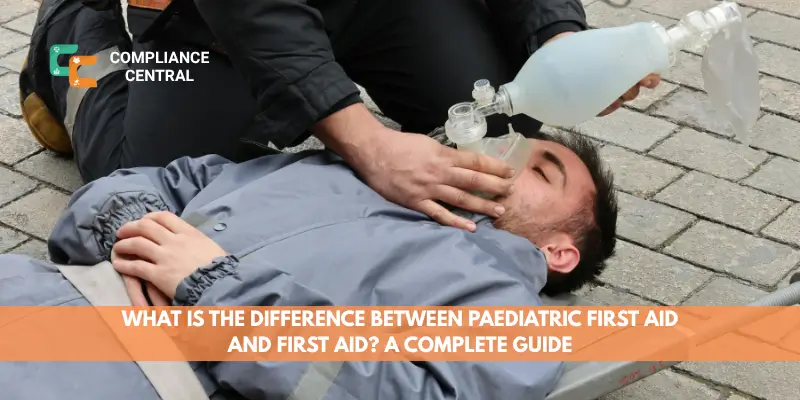
First aid is one of the most valuable life skills anyone can learn. Emergencies can happen at home, in the workplace, at school, or in public spaces without warning. Knowing how to respond quickly can help preserve life, prevent a condition from worsening, and provide reassurance until professional medical help arrives.
However, first aid for children requires a different approach. Many people assume that the same techniques can be used for adults and children, but paediatric first aid is adapted to the physical, emotional, and developmental needs of infants and young people. Their smaller bodies, narrower airways, and limited ability to communicate make specialised knowledge especially important.
This guide explains the difference between paediatric first aid and standard first aid. It covers key techniques, similarities, training requirements, benefits, and situations where each type should be applied. Understanding these differences can help parents, teachers, childcare workers, and other caregivers respond more safely and confidently during emergencies.
Table of Contents
Paediatric First Aid Training for just £11.99
Today!
You won’t find this deal anywhere else!
Take The CourseUse Coupon Code:
Use this coupon at Checkout
What Is the Difference Between Paediatric First Aid and First Aid?
The main difference between paediatric first aid and first aid lies in the target group and techniques used.
- First Aid generally focuses on adults and workplace emergencies.
- Paediatric First Aid is specifically designed for infants, toddlers, and children.
Because children’s bodies are smaller, more fragile, and still developing, first aid techniques must be adapted accordingly.
Key Differences at a Glance
| Aspect | First Aid (Adult) | Paediatric First Aid |
|---|---|---|
| Target Group | Adults | Infants & Children |
| CPR Technique | Two hands | One hand (child), two fingers (infant) |
| Choking Response | Abdominal thrusts | Back blows + chest thrusts (infants) |
| AED Use | Standard pads | Paediatric pads & placement |
| Communication | Direct | Calm, reassuring approach |
These differences are not minor—they are critical. Using adult techniques on a child can cause harm if done incorrectly.
CPR Differences
Cardiopulmonary Resuscitation (CPR) is one of the most important life-saving techniques, but it must be adapted for children.
- Adults: Use two hands for chest compressions.
- Children: Use one hand (depending on size).
- Infants: Use two fingers with very gentle pressure.
Children’s ribs and organs are delicate, so excessive force can cause injury. Proper paediatric CPR ensures effective circulation without harm.
Choking Treatment Differences
Choking is one of the most common emergencies in children.
- Adults: Abdominal thrusts (Heimlich maneuver).
- Children: Modified abdominal thrusts.
- Infants: Back blows and chest thrusts (NOT abdominal thrusts).
Using the wrong technique can worsen the situation, making proper training essential.
AED (Defibrillator) Differences
Automated External Defibrillators (AEDs) are used during cardiac arrest.
- Adults use standard pads.
- Children require paediatric pads, placed differently due to smaller chest size.
This ensures safe and effective defibrillation.
What Is First Aid?

First aid refers to the immediate care provided to someone who is injured or suddenly ill before professional medical help arrives.
The goal of first aid is to:
- Preserve life
- Prevent the condition from worsening
- Promote recovery
Common Situations Covered in First Aid
- Cuts and bleeding
- Burns
- Fractures and sprains
- Cardiac arrest
- Shock
- Fainting
First aid is commonly taught in workplaces, schools, and community programs to prepare individuals for emergencies.
Who Needs First Aid Training?
First aid training is useful for everyone, but especially important for:
- Employees in workplaces
- Security personnel
- Teachers and school staff
- Drivers and public service workers
- General public
It is often a legal requirement in many workplaces to have trained first aiders on site.
What Is Paediatric First Aid?
Paediatric first aid is a specialized form of first aid focused on infants, toddlers, and children.
It addresses:
- Child-specific injuries
- Age-appropriate techniques
- Emotional care during emergencies
Why Children Need Specialized First Aid
Children are more vulnerable due to several factors:
- Smaller bodies: More fragile bones and organs
- Developing systems: Immune and respiratory systems are not fully developed
- Higher risk of choking: Due to small airways
- Limited communication: Children may not explain symptoms clearly
These differences require tailored approaches to ensure safety.
Common Emergencies in Paediatric First Aid
Paediatric first aid covers situations such as:
- Choking
- Burns and scalds
- Allergic reactions (anaphylaxis)
- Head injuries
- Seizures
- Asthma attacks
Training prepares caregivers to respond effectively in these situations.
Why Is Paediatric First Aid Different from Adult First Aid?

Children Are Not Small Adults
One of the biggest misconceptions is treating children like small adults. In reality:
- Their bones are softer
- Their airways are narrower
- Their vital signs differ
This means techniques must be adjusted carefully.
Different CPR and Emergency Techniques
Paediatric CPR uses:
- Less force
- Different hand positioning
- Adjusted compression depth
These differences ensure effective treatment without causing harm.
Communication and Emotional Care
Children often panic during emergencies. Paediatric first aid includes:
- Calming techniques
- Gentle communication
- Emotional reassurance
This helps the child cooperate and reduces distress.
Higher Risk Factors in Children
Children are more prone to accidents due to:
- Curiosity
- Lack of awareness
- Active behavior
This increases the importance of trained caregivers.
Key Similarities Between Paediatric First Aid and First Aid
Despite the differences, both types of first aid share common goals and principles.
Shared Goals
- Save lives
- Prevent worsening conditions
- Promote recovery
Shared Principles (DRABC)
Both follow the DRABC approach
- Danger: Ensure safety
- Response: Check consciousness
- Airway: Open airway
- Breathing: Check breathing
- Circulation: Assess pulse and bleeding
This universal framework guides all first aid situations.
The 3 Ps in Paediatric First Aid
The 3 Ps are the core principles that guide first aiders when responding to an emergency involving a baby or child. They help the responder focus on immediate safety, prevent further harm, and support the child until professional medical assistance becomes available.
Preserve Life
The first priority is to protect the child’s life by checking their condition and responding to any immediate danger. This includes ensuring the airway remains clear, monitoring breathing and circulation, and contacting emergency services when necessary. Quick and calm action can be especially important during serious incidents.
Prevent Deterioration
The next aim is to stop the child’s condition from becoming worse. The first aider should remove nearby hazards, avoid unnecessary movement, monitor changes in the child’s condition, and provide suitable care within their level of training. Keeping the child calm and comfortable may also help reduce distress and prevent additional complications.
Promote Recovery
Once the immediate danger is under control, the first aider should support the child’s recovery. This may involve offering reassurance, maintaining a comfortable position, protecting injuries, and continuing to observe the child until medical help arrives. Clear information should also be provided to parents, caregivers, or emergency professionals about what happened and any care given.
What Are the Four Types of First Aid?
First aid can be divided into different categories depending on the situation, the age of the casualty, and the environment where care is provided.
Basic First Aid
Basic first aid covers minor injuries and common health problems. It may include treating small cuts, bruises, mild burns, sprains, nosebleeds, and minor allergic reactions. The aim is to prevent the condition from becoming worse and support recovery.
Emergency First Aid
Emergency first aid is used during serious or life-threatening situations. This may include cardiac arrest, severe bleeding, choking, unconsciousness, or breathing difficulties. It requires immediate action and contacting emergency services as quickly as possible.
Paediatric First Aid
Paediatric first aid focuses specifically on babies and children. It covers age-appropriate techniques for CPR, choking, burns, allergic reactions, seizures, and common childhood injuries. The responder must also use calm communication and reassurance.
Workplace First Aid
Workplace first aid is designed to address injuries and emergencies that may happen at work. It may include treating cuts, falls, burns, machinery-related injuries, and sudden illness. It also helps organisations meet health and safety responsibilities.
Do You Need Both Paediatric First Aid and First Aid Training?

In many situations, completing both types of training is beneficial because they prepare learners to respond to emergencies involving different age groups. General first aid mainly covers adults and common workplace incidents, while paediatric first aid focuses on babies and children using age-appropriate techniques.
Childcare professionals, nursery staff, teachers, nannies, and others responsible for children may need paediatric first aid training. Employees in offices, construction sites, shops, and other workplaces may require general first aid depending on their role and workplace safety arrangements.
Holding both qualifications provides broader emergency knowledge and greater confidence. It helps individuals respond appropriately to adults, children, and infants rather than relying on techniques designed for only one age group. However, exact training or certification requirements may vary by job, industry, and local regulations.
Who Should Take Paediatric First Aid Training?
Paediatric first aid is essential for:
- Parents and guardians
- Teachers and school staff
- Nursery and daycare workers
- Babysitters and nannies
- Healthcare professionals
Anyone responsible for children should consider this training.
Benefits of Learning Paediatric First Aid
Learning paediatric first aid helps people respond more safely and confidently when a baby or child becomes ill or injured. It is especially valuable for parents, teachers, childcare workers, and anyone responsible for children.
Life-Saving Skills
Paediatric first aid teaches essential techniques for emergencies such as choking, breathing difficulties, severe bleeding, and cardiac arrest. Acting quickly and correctly can protect a child’s life while emergency services are on the way.
Confidence in Emergencies
Training helps individuals remain calm and make better decisions during stressful situations. Knowing what steps to follow reduces panic and allows the first aider to provide suitable support without unnecessary delay.
Better Career Opportunities
Many roles in childcare, education, healthcare, and youth services value or require paediatric first aid training. Holding a recognised qualification may strengthen job applications and demonstrate a responsible approach to child safety.
Safer Environment
Paediatric first aid training also improves awareness of common hazards and accident risks. This knowledge helps caregivers prevent injuries, create safer surroundings, and respond effectively when incidents occur.
Conclusion
Understanding what is the difference between paediatric first aid and first aid is essential for anyone responsible for the care and safety of others—especially children. While both types of first aid share the same core goal of saving lives and preventing further harm, the techniques used in paediatric first aid are specifically tailored to the unique needs of infants and children.
Children are more vulnerable, physically smaller, and emotionally sensitive. This means that using the correct approach during emergencies is critical. From CPR techniques to choking response and emotional reassurance, paediatric first aid requires specialized knowledge that goes beyond standard first aid training.
Whether you are a parent, teacher, childcare provider, or simply someone who wants to be prepared, learning paediatric first aid can make a life-saving difference. It not only builds your confidence but also ensures that you can act quickly and effectively when it matters most.
If you want to gain these essential life-saving skills, enrolling in a professional Paediatric First Aid Training Course is the best step forward. A comprehensive course will teach you everything from CPR and choking management to handling burns, allergic reactions, and child-specific emergencies.
Take the initiative today—equip yourself with the knowledge and confidence to protect children and respond to emergencies effectively. Your skills could save a life.
Frequently Asked Questions (FAQ)
Paediatric first aid is specifically designed for children, while general first aid focuses on adults.
No, child-specific techniques must be used to avoid injury.
Preserve life, prevent deterioration, and promote recovery.
Yes, it is often a legal requirement in childcare settings.
Usually 6–12 hours, depending on the course.
Not harder, but it requires learning specific techniques for children.
Here are 7 additional SEO-friendly FAQ questions and answers you can add to your blog:
Paediatric first aid techniques are specifically designed for infants and children. While some basic principles overlap, adult first aid methods should be used for adults to ensure proper care.
Paediatric first aid training helps parents respond quickly to emergencies such as choking, burns, or injuries at home, giving them confidence and the ability to protect their children effectively.
Paediatric first aid typically covers infants (0–1 year) and children (1 year to puberty), with techniques adjusted based on age and size.
Yes, paediatric CPR uses less force, different hand positioning, and adjusted compression depth to suit a child’s smaller and more delicate body.
In many countries, schools and childcare settings are legally required to have staff trained in paediatric first aid to ensure children’s safety.
Paediatric first aid certification usually needs to be renewed every 3 years, with refresher training recommended to keep skills up to date.
A paediatric first aid kit should contain items like bandages, antiseptic wipes, gloves, burn dressings, a thermometer, and child-safe medications.

Related Blogs

Course Categories
- Workplace Safety
- Travel
- Training
- Therapy
- Technology
- Teaching and Education
- Teaching and Academics
- Teaching
- Stress Management
- Sports
- Safeguarding
- QLS Endorsed
- Public Speaking
- Psychology
- Project Management
- Philosophy
- Personal Development
- Nutrition & Diet
- Mental Health
- Marketing
- Management
- Lifestyle
- Leadership
- Law
- Language
- IT and Software
- Interpersonal Communication
- Hospitality
- Healthcare
- Health and Social Care
- Health and Safety
- Health and Fitness
- Hazard Awareness
- Forensic Science
- Food Safety
- Food Hygiene
- Food & Beverage
- First Aid
- Fire Safety
- Fashion Design
- Fashion
- Environment
- Entrepreneurship
- Engineering
- Employability
- Electronics
- Electrical Safety
- Education
- Development
- Design
- Data Science
- Counselling
- Cooking
- Construction
- Communication
- Cleaning
- Child Psychology
- Child Care
- Business Skills
- Business Skill
- Business
- Awareness
- Assertiveness
- Animal Care
- Agriculture
- Accounting and Finance