


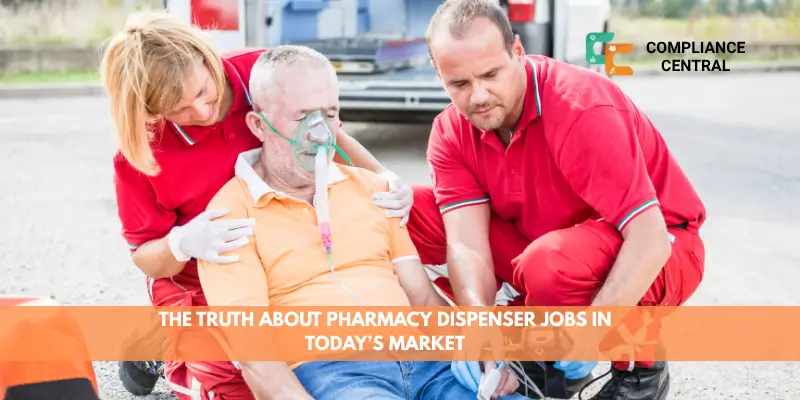
Every parent, teacher, or caregiver wants to ensure the safety of children under their care. Children, with their curious and energetic nature, are particularly prone to accidents and injuries. This is where paediatric first aid becomes essential. Understanding why paediatric first aid is important can help caregivers, parents, and childcare professionals respond effectively during emergencies, prevent serious injuries, and save lives.
In this comprehensive guide, we will explore the importance of paediatric first aid, the key skills it teaches, the common emergencies it addresses, legal requirements, and how paediatric first aid training can empower you to protect children confidently.
What Is Paediatric First Aid?
Paediatric first aid refers to the specialized knowledge and skills needed to provide immediate medical assistance to infants, children, and adolescents in emergency situations. Unlike adult first aid, paediatric first aid takes into account the unique physiological and emotional characteristics of children, as well as the specific medical emergencies they are more likely to face.
Key Components of Paediatric First Aid
Paediatric first aid training covers a variety of emergency situations and essential life-saving techniques. Some of the key components include:
- CPR for Infants and Children: Learning how to perform chest compressions and rescue breaths correctly for babies and young children.
- Choking Management: Identifying airway blockages and safely clearing them using age-appropriate techniques.
- Burns, Cuts, and Wounds: Proper care to reduce infection risk and minimize damage.
- Managing Allergic Reactions and Anaphylaxis: Recognizing symptoms and administering epinephrine if needed.
- Head Injuries and Seizures: Identifying critical signs and knowing when to seek urgent medical attention.
Paediatric first aid is not just about physical interventions—it also teaches caregivers how to stay calm, assess situations accurately, and reassure children during emergencies.
Paediatric First Aid Training for just £11.99 Today!
You won’t find this deal anywhere else!
Take The CourseUse Coupon Code:
Use this coupon at Checkout
Table of Contents
Why Is Paediatric First Aid Important?
The importance of paediatric first aid cannot be overstated. Children are uniquely vulnerable and require specialized knowledge to handle emergencies effectively. Here’s why paediatric first aid is crucial:
Children Are a Vulnerable Population
Children are naturally curious and tend to explore their environment without understanding potential dangers. This makes them more susceptible to accidents such as falls, burns, cuts, choking, or poisoning. Unlike adults, children cannot always articulate what is wrong or take precautionary measures themselves.
Paediatric first aid equips caregivers with the skills to recognize risks and respond quickly, reducing the likelihood of serious injuries.
Immediate Response Saves Lives
In medical emergencies, every second counts. For instance, if a child is choking or stops breathing, a swift response can mean the difference between life and death. Paediatric first aid ensures that caregivers are ready to provide immediate assistance while waiting for professional help to arrive.
Some scenarios where immediate paediatric first aid is crucial include:
- Choking incidents in infants or toddlers
- Severe allergic reactions (anaphylaxis)
- Drowning or near-drowning incidents
- Asthma attacks
By knowing how to act quickly and correctly, caregivers can prevent minor injuries from escalating into life-threatening situations.
Physiological Differences Between Children and Adults
Children are not simply “small adults.” Their anatomy and physiology differ significantly, and this affects how first aid should be administered:
- Airways: Children have smaller and more flexible airways, which can collapse more easily.
- Bones and Muscles: Fragile bones and underdeveloped muscles require careful handling to prevent further injury.
- Vital Signs: Children’s heart rates, breathing rates, and blood pressure differ from adults, affecting CPR and other emergency procedures.
Paediatric first aid training teaches age-specific techniques that account for these differences, ensuring interventions are safe and effective.
Handling Child-Specific Injuries and Illnesses
Children may experience injuries and illnesses that are less common in adults. Knowledge of paediatric first aid prepares caregivers to manage:
- Falls and fractures
- Burns and scalds
- Choking and airway obstructions
- Severe allergic reactions
- Head injuries and concussions
By understanding the signs and symptoms of these conditions, caregivers can provide appropriate care until medical professionals arrive.

Emotional Considerations
Children are often frightened or distressed during emergencies. Paediatric first aid emphasizes not only physical interventions but also emotional support:
- Reassuring and calming the child
- Reducing panic and fear
- Helping the child cooperate with treatment
Addressing the child’s emotional needs is essential, as it can significantly influence their recovery and cooperation during first aid procedures.
Preventing Escalation of Injuries
Timely and appropriate paediatric first aid can prevent minor injuries from worsening.
For example:
- Properly cleaning and dressing a cut reduces the risk of infection
- Stabilizing a fracture prevents further damage
- Administering CPR immediately can maintain circulation and oxygenation until emergency responders arrive
Prompt interventions improve outcomes and minimize the likelihood of complications.
Importance in Childcare Settings and Schools
In childcare settings, schools, and nurseries, staff are responsible for the safety of multiple children. Having trained personnel ensures that:
- Emergencies are handled promptly and effectively
- Children receive care that meets regulatory standards
- The childcare setting complies with legal obligations, such as EYFS (Early Years Foundation Stage) and OFSTED requirements
Many childcare providers also work towards accreditations such as Millie’s Mark, which require staff to be trained in paediatric first aid.
Peace of Mind for Parents
Knowing that caregivers, teachers, or staff are trained in paediatric first aid provides reassurance to parents. It gives them confidence that their children are in safe hands and that immediate, competent assistance is available in case of accidents or emergencies.
Accident Prevention and Community Safety
Paediatric first aid training goes beyond emergency response—it includes accident prevention techniques:
- Childproofing homes and classrooms
- Identifying and mitigating hazards
- Recognizing early warning signs of illness or injury
These skills not only help in formal childcare settings but also in everyday life, such as parks, playgrounds, and family outings. Knowledgeable caregivers can prevent accidents before they happen and respond effectively when they do.
Key Benefits of Paediatric First Aid Training
Investing time in paediatric first aid training offers numerous advantages:
Be Prepared for Emergencies
Training ensures that caregivers can respond quickly and appropriately in emergencies, minimizing risk to the child’s health.
Learn Life-Saving Skills
Paediatric first aid provides practical skills such as CPR, choking relief, and wound care—skills that can literally save a child’s life.
Improve Employability in Childcare
For teachers, childcare providers, and healthcare professionals, paediatric first aid certification enhances employability and demonstrates competence.
Recognize Early Signs of Illness
Trained caregivers can identify early symptoms of common childhood illnesses and intervene appropriately, reducing complications.
Recognize Early Signs of Illness
Trained caregivers can identify early symptoms of common childhood illnesses and intervene appropriately, reducing complications.
Contribute to Overall Child Safety
Knowledge of first aid, accident prevention, and emergency response contributes to a safer environment for children, whether at home, school, or in the community.
Paediatric First Aid Training

Paediatric first aid courses are designed for parents, teachers, childcare staff, and anyone responsible for children. These courses teach:
- CPR for infants and children
- First aid for choking, burns, cuts, and wounds
- Management of head injuries, seizures, and allergic reactions
- Accident prevention strategies
- Legal and regulatory requirements for childcare settings
Courses may vary in length, typically ranging from 6 to 12 hours, and often provide certification recognized by regulatory bodies.
Who Should Take Paediatric First Aid Training?
- Parents and guardians
- Teachers and teaching assistants
- Nursery and daycare staff
- Community leaders and volunteers
- Babysitters and nannies
By learning paediatric first aid, these individuals are better prepared to act confidently in emergencies.
Common Emergencies Addressed in Paediatric First Aid
Paediatric first aid training equips caregivers to handle a wide range of emergencies.
CPR and Resuscitation
- Performing chest compressions and rescue breaths according to the child’s age.
- Using an automated external defibrillator (AED) safely on children.
Choking and Airway Obstruction
- Identifying signs of choking
- Performing back blows, abdominal thrusts, or infant-specific techniques
Burns and Wounds
- Cooling burns immediately
- Dressing cuts and abrasions
- Preventing infections
Allergic Reactions and Anaphylaxis
- Recognizing severe allergic reactions
- Administering epinephrine using an auto-injector
- Monitoring the child until emergency services arrive
Head Injuries and Seizures
- Assessing severity
- Managing seizures safely
- Preventing secondary injuries
Drowning and Hypothermia Prevention
- Recognizing early signs of near-drowning or hypothermia
- Providing emergency care and stabilization
Legal and Regulatory Importance
Paediatric first aid is not only a practical necessity—it’s often a legal requirement in childcare and educational settings.
- EYFS and OFSTED Compliance: Childcare providers in the UK must have trained staff on site to meet regulatory standards.
- Millie’s Mark Certification: Many nurseries and childcare settings use this accreditation to demonstrate adherence to safety standards.
- Liability Protection: Proper training reduces the risk of legal repercussions if an emergency occurs under a caregiver’s supervision.
By fulfilling legal requirements, trained staff provide safer environments for children and protect themselves and their organizations.
Conclusion
Paediatric first aid is an essential skill for anyone responsible for the safety of children. It goes beyond simply treating injuries—it empowers caregivers to act quickly, prevent complications, manage emergencies, and provide emotional support. Children are vulnerable, their physiology is unique, and emergencies require immediate action; paediatric first aid ensures caregivers are equipped to save lives and protect children effectively.
Learning paediatric first aid also enhances employability, ensures compliance with childcare regulations, and provides peace of mind to parents. In short, it is a critical investment in the safety and well-being of children.
If you are a parent, teacher, childcare provider, or community member, enrolling in a certified Paediatric First Aid Course is one of the best steps you can take. Our Paediatric First Aid Training Course offers hands-on practice in CPR, choking management, burns, allergic reactions, head injuries, and more. Gain confidence, learn life-saving skills, and make a real difference in the lives of children today.
Take action now—enroll in our Paediatric First Aid Training Course and be prepared to save lives when it matters most.
Frequently Asked Questions (FAQ)
Paediatric first aid focuses on the unique physiological and emotional needs of children, including child-specific CPR, airway management, and injury care. Adult first aid does not account for these differences.
Paediatric CPR should be performed if a child is unresponsive and not breathing normally. Immediate intervention can prevent brain damage and save a child’s life.
The “3 Ps” often refer to Prevention, Preparation, and Practice, emphasizing proactive safety measures, readiness, and regular training.
Most courses last 6–12 hours, including practical demonstrations and assessments. Certification is typically valid for 3 years.
Absolutely. Parents gain confidence and skills to respond to emergencies at home, outdoors, or during travel, safeguarding their children’s lives.

Related Blogs

Course Categories
- Workplace Safety
- Travel
- Training
- Therapy
- Technology
- Teaching and Education
- Teaching and Academics
- Teaching
- Stress Management
- Sports
- Safeguarding
- QLS Endorsed
- Public Speaking
- Psychology
- Project Management
- Philosophy
- Personal Development
- Nutrition & Diet
- Mental Health
- Marketing
- Management
- Lifestyle
- Leadership
- Law
- Language
- IT and Software
- Interpersonal Communication
- Hospitality
- Healthcare
- Health and Social Care
- Health and Safety
- Health and Fitness
- Hazard Awareness
- Forensic Science
- Food Safety
- Food Hygiene
- Food & Beverage
- First Aid
- Fire Safety
- Fashion Design
- Fashion
- Environment
- Entrepreneurship
- Engineering
- Employability
- Electronics
- Electrical Safety
- Education
- Development
- Design
- Data Science
- Counselling
- Cooking
- Construction
- Communication
- Cleaning
- Child Psychology
- Child Care
- Business Skills
- Business Skill
- Business
- Awareness
- Assertiveness
- Animal Care
- Agriculture
- Accounting and Finance