


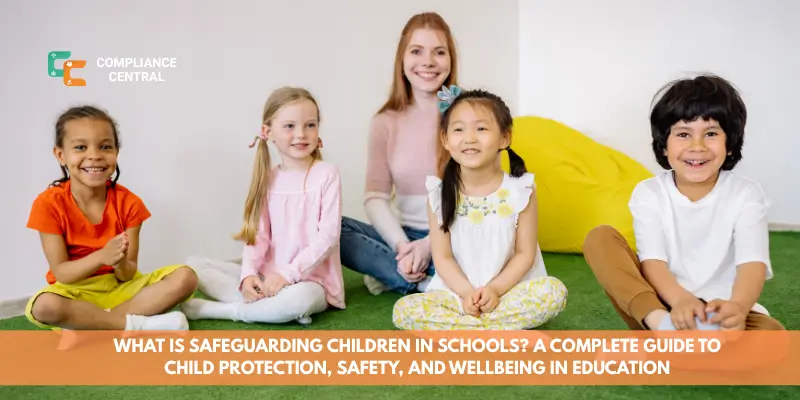
Schools are not only places where children receive academic education; they are also important environments where young people develop emotionally, socially, and psychologically. Since children spend a significant part of their lives in educational settings, schools have a major responsibility to create safe, supportive, and inclusive environments where every child can learn and grow with confidence.
This is why understanding safeguarding children in schools is essential. When people search for “what is safeguarding children in schools”, they are often looking to understand how schools protect students from harm, what procedures are followed when concerns arise, and which individuals or organisations are responsible for ensuring child safety. Safeguarding involves much more than preventing physical injuries—it also covers emotional abuse, neglect, bullying, online safety risks, and any situation that may affect a child’s wellbeing or development.
In today’s education system, safeguarding is a fundamental responsibility shared by the entire school community. Teachers, school leaders, support staff, parents, and external agencies work together to identify potential risks, provide early support, and respond appropriately to concerns. Effective safeguarding helps children feel secure, valued, and protected, allowing them to focus on learning and reaching their full potential. This guide explores the meaning, importance, and practical application of safeguarding in schools in detail.
Table of Contents
Safeguarding Children Level 3 for just £11.99
Today!
You won’t find this deal anywhere else!
Take The CourseUse Coupon Code:
Use this coupon at Checkout
What Is Safeguarding Children in Schools?
Safeguarding children in schools refers to the policies, procedures, and actions taken by educational institutions to protect children from harm and ensure their wellbeing.
It includes:
- Protecting children from abuse and neglect
- Preventing harm or risk situations
- Ensuring safe learning environments
- Supporting children’s physical and emotional wellbeing
Safeguarding is both preventative (stopping harm before it happens) and protective (responding when harm or risk is identified).
Schools are legally and morally responsible for ensuring that every child is safe while they are under their care.
Definition of Safeguarding in Education
Safeguarding in schools can be defined as:
The process of protecting children from harm, promoting their welfare, and ensuring they grow up in safe, supportive, and secure educational environments.
It covers:
- Physical safety (injuries, accidents, abuse)
- Emotional safety (bullying, mental distress)
- Online safety (cyberbullying, harmful content)
- Social wellbeing (peer relationships, inclusion)
Safeguarding is a continuous responsibility, not a one-time action.
Why Is Safeguarding Important in Schools?

Safeguarding is essential because schools are one of the primary environments where children interact daily. A safe school environment directly impacts a child’s learning, development, and wellbeing.
Ensuring a Safe Learning Environment
Children learn best when they feel safe and secure. A lack of safety can lead to:
- Anxiety in the classroom
- Poor concentration
- Reduced academic performance
- Supporting children’s physical and emotional wellbeing
Safeguarding ensures that schools remain environments where children feel protected and supported.
Protecting Vulnerable Children
Some children are more vulnerable due to:
- Family challenges
- Disabilities or learning difficulties
- Emotional or mental health issues
- Socioeconomic conditions
Safeguarding ensures that these children receive additional care and attention when needed.
Early Identification of Concerns
Teachers and school staff are often the first to notice:
- Sudden behaviour changes
- Signs of distress
- Physical injuries or neglect
- Withdrawal from peers
Early identification allows timely intervention, preventing issues from escalating.
Supporting Mental and Emotional Wellbeing
Safeguarding is not only about physical safety. It also supports:
- Emotional resilience
- Positive self-esteem
- Mental health stability
- Healthy relationships
A strong safeguarding system contributes to overall child wellbeing.
Key Components of Safeguarding in Schools
Effective safeguarding systems are built on several essential components.
1. Safeguarding Policies and Procedures
Every school must have a safeguarding policy that includes:
- Reporting procedures
- Staff responsibilities
- Response actions
- Child protection guidelines
This ensures consistency and clarity across the school.
2. Designated Safeguarding Lead (DSL)
The DSL is a trained professional responsible for:
- Handling safeguarding concerns
- Coordinating responses
- Communicating with external agencies
- Supporting staff
They are the central point of safeguarding in schools.

3. Staff Training and Awareness
All school staff must receive safeguarding training to:
- Recognise signs of abuse or neglect
- Understand reporting procedures
- Respond appropriately to concerns
Training ensures that safeguarding is understood and applied consistently.
4. Safe Recruitment Practices
Schools must ensure that all staff:
- Are properly vetted
- Pass background checks
- Are suitable to work with children
This reduces risks before staff even enter the school environment.
5. Multi-Agency Working
Safeguarding often involves cooperation between:
- Schools
- Social services
- Healthcare professionals
- Police
This ensures a coordinated response to child protection concerns.
6. Child-Centered Approach
Every safeguarding decision must prioritize the child’s:
- Safety
- Wellbeing
- Best interests
Roles and Responsibilities in School Safeguarding
Safeguarding is a shared responsibility.
Teachers and School Staff
They are responsible for:
- Observing student behaviour
- Reporting concerns
- Providing a safe classroom environment
School Leadership
School leaders:
- Implement safeguarding policies
- Ensure compliance with regulations
- Support safeguarding teams
Parents and Guardians
Parents play a key role by:
- Supporting children at home
- Communicating concerns
- Working with schools
External Agencies
These include:
- Social workers
- Healthcare professionals
- Law enforcement
They intervene in serious safeguarding cases.
Common Safeguarding Risks in Schools
Bullying and Cyberbullying
Bullying can cause:
- Emotional distress
- Low self-esteem
- Social withdrawal
Cyberbullying extends these risks online.

Abuse and Neglect
Schools must remain alert to:
- Physical abuse
- Emotional abuse
- Neglect signs
Online Safety Risks
Children may face:
- Inappropriate content
- Online grooming
- Privacy violations
Peer-on-Peer Abuse
This includes harmful behaviour between students that must be addressed promptly.
Mental Health Challenges
Students may experience:
- Anxiety
- Depression
- Stress-related issues
What Are the 4 R’s of Child Safeguarding in Schools?
The 4 R’s of safeguarding provide a simple framework that helps school staff understand how to respond when they notice concerns about a child’s safety or wellbeing. They guide professionals through the process of identifying issues, taking action, and ensuring concerns are handled properly.
Recognise
This involves being able to identify possible signs that a child may be at risk of harm, abuse, neglect, or experiencing difficulties. Staff should remain alert to changes in behaviour, appearance, emotions, or circumstances that may indicate a concern.
Respond
Once a concern is noticed, staff should respond calmly and appropriately. This means taking the situation seriously, listening carefully, and following safeguarding procedures rather than ignoring or dismissing the concern.
Report
Any safeguarding concern should be shared with the appropriate person, usually the Designated Safeguarding Lead (DSL) within the school. Reporting ensures that concerns can be reviewed and managed by those responsible for safeguarding.
Record
Accurate records should be maintained to document safeguarding concerns, observations, and actions taken. Clear documentation helps ensure information is available for future decisions and supports effective safeguarding responses.
What Are the 3 C’s of Safeguarding?
The 3 C’s of safeguarding represent key principles that help organisations work effectively to protect children. They focus on ensuring that decisions are centred around the child, professionals work together, and information is shared responsibly.
Child-Centred Approach
This means that every safeguarding decision should focus on the child’s safety, needs, rights, and wellbeing. The child’s best interests should always be the priority.
Coordination
Effective safeguarding requires cooperation between different professionals and organisations, including schools, healthcare services, social services, and other agencies. Working together helps provide better support and protection.
Communication
Clear and appropriate communication is essential in safeguarding. Sharing relevant information with the right people helps ensure concerns are understood, assessed, and responded to effectively.
What Are the 6 Principles of Safeguarding?
The 6 principles of safeguarding provide a foundation for protecting children and vulnerable individuals. They guide professionals and organisations in making safe, ethical, and effective decisions while ensuring that wellbeing and protection remain the main priorities.
Empowerment
Empowerment focuses on giving children a voice and encouraging them to share their views, feelings, and concerns. It ensures that individuals are involved in decisions that affect their safety and wellbeing.
Prevention
Prevention involves identifying potential risks early and taking steps to reduce the chance of harm occurring. It focuses on creating safer environments and promoting awareness before problems develop.
Protection
Protection means taking appropriate action when a child or vulnerable person may be experiencing harm or facing a serious risk. It ensures that support and intervention are provided when needed.

Proportionality
Proportionality means responding to concerns in a balanced and appropriate way based on the level of risk involved. Actions should be suitable for the situation while respecting individual rights.
Partnership
Partnership highlights the importance of cooperation between different people and organisations. Schools, families, healthcare professionals, social services, and other agencies must work together to provide effective protection and support.
Accountability
Accountability ensures that individuals and organisations take responsibility for their safeguarding duties and decisions. It promotes transparency, proper record keeping, and continuous improvement in safeguarding practices.
What Is a Safeguarding Policy in Schools?
A safeguarding policy in schools is a formal document that explains the procedures, responsibilities, and actions a school follows to protect children from harm. It provides clear guidance for staff on how to prevent risks, respond to concerns, and maintain a safe learning environment.
A safeguarding policy typically includes:
➽ Reporting Procedures: Clear steps for raising and managing safeguarding concerns, including who concerns should be reported to and how they should be handled.
➽ Staff Responsibilities: Details of the duties and expectations of teachers, support staff, and school leaders in protecting children and promoting their wellbeing.
➽ Child Protection Procedures: Guidance on how the school responds when a child may be at risk, including assessment, support, and working with relevant external agencies when required.
How Does Safeguarding Work in Schools?
Safeguarding in schools follows a structured process that helps staff identify concerns, respond appropriately, and ensure children receive the right support. Each stage plays an important role in protecting students and maintaining a safe educational environment.
Step 1: Recognising Concerns
The process begins when school staff identify possible signs that a child may need support or protection. This may include changes in behaviour, emotional distress, unexplained injuries, or other indicators of concern.
Step 2: Reporting Concerns
Once a concern is identified, it must be reported through the correct safeguarding procedures. Staff usually share the information with the Designated Safeguarding Lead (DSL), who is responsible for managing safeguarding matters within the school.
Step 3: Assessing the Situation
The DSL and relevant professionals review the concern to understand the level of risk and decide what action is required. This assessment helps determine the most suitable response based on the child’s needs and circumstances.
Step 4: Making Referrals When Necessary
If a situation involves serious risk or requires additional support, the concern may be referred to external organisations such as social services, healthcare professionals, or other safeguarding authorities.
Step 5: Providing Ongoing Monitoring and Support
After action has been taken, the child’s situation continues to be monitored to ensure their safety and wellbeing. Schools may provide ongoing support, communicate with relevant parties, and review progress where needed.
What Is Safeguarding Training in Schools?
Safeguarding training in schools is a structured learning process that helps teachers, support staff, and school leaders understand their responsibilities in protecting children. It provides the knowledge and skills needed to identify risks, respond to concerns, and follow correct safeguarding procedures.
Why Training Matters
Safeguarding training ensures that school staff are prepared to handle concerns appropriately and confidently. It helps them understand how to recognise potential risks, take timely action, and support children who may need additional protection or assistance.
What Staff Learn
Through safeguarding training, staff learn important areas such as:
➽ Recognising Signs of Harm: Understanding indicators of abuse, neglect, bullying, emotional distress, and other safeguarding concerns.
➽ Reporting Procedures: Learning how to report concerns correctly and follow the school’s safeguarding process.
➽ Safeguarding Policies and Responsibilities: Understanding school procedures, staff duties, confidentiality requirements, and the role of the Designated Safeguarding Lead (DSL).
Continuous Updates
Safeguarding practices and regulations can change over time. Regular refresher training helps staff stay informed about updated guidance, new risks, and improved approaches to protecting children.
Benefits of Effective Safeguarding in Schools

A strong safeguarding system provides many benefits for students, staff, and the wider school community.
➽ Creates a Safer School Environment: Effective safeguarding procedures help identify risks early and reduce situations that may put children at risk.
➽ Improves Student Wellbeing: Children feel more secure and supported when they know trusted adults are available to help them.
➽ Supports Better Learning Outcomes: A safe and positive environment allows students to focus better on education and personal development.
➽ Builds Trust Between Schools and Families: Strong safeguarding practices reassure parents and carers that children are being protected and supported.
Challenges in School Safeguarding
Although safeguarding is essential, schools may face challenges when implementing effective systems.
➽ Lack of Awareness: Some staff or community members may not fully understand safeguarding responsibilities or warning signs.
➽ Underreporting Concerns: Fear, uncertainty, or lack of confidence may prevent concerns from being reported quickly.
➽ Communication Gaps: Poor information sharing between schools, families, and external agencies can delay appropriate action.
➽ Limited Resources: Time, staffing, and funding limitations can make it more difficult to maintain comprehensive safeguarding practices.
Addressing these challenges through training, clear policies, and strong communication helps schools create safer environments for every child.
Conclusion
Safeguarding children in schools is one of the most important responsibilities in the education system. It ensures that children are protected from harm, supported in their development, and able to learn in a safe and secure environment.
Understanding what safeguarding children in schools is helps teachers, parents, and communities recognise the importance of shared responsibility. Schools are not just educational spaces—they are protective environments where early intervention can prevent long-term harm.
Strong safeguarding systems rely on awareness, training, communication, and collaboration between staff, parents, and external agencies. When these systems work effectively, children are safer, more confident, and better supported in their learning journey.
For those who want to strengthen their understanding of safeguarding practices, structured training such as Safeguarding Children Level 3 can provide in-depth knowledge of child protection procedures, risk identification, and safeguarding responsibilities in schools.
Ultimately, safeguarding is about ensuring every child has the right to feel safe, valued, and protected—because a safe child is a thriving child.
Frequently Asked Questions (FAQ)
Safeguarding children in schools means protecting students from harm, abuse, neglect, and unsafe situations. It also focuses on supporting their wellbeing and creating a secure learning environment.
Safeguarding helps ensure children feel safe, supported, and protected while they are in education. A safe environment allows students to learn, develop, and participate confidently.
Safeguarding is the responsibility of everyone in the school community, including teachers, leaders, support staff, and parents. Everyone must play a role in identifying and reporting concerns.
A DSL (Designated Safeguarding Lead) is the person responsible for managing safeguarding concerns within a school. They coordinate responses, support staff, and work with external agencies when needed.
The 4 R’s are Recognise, Respond, Report, and Record. They provide a structured approach for identifying concerns, taking action, sharing information, and maintaining accurate records.
The 6 principles are Empowerment, Prevention, Protection, Proportionality, Partnership, and Accountability. They guide effective safeguarding practices and help protect children’s rights and wellbeing.
Children may face risks such as bullying, abuse, neglect, cyberbullying, and online safety threats. Safeguarding systems help identify and reduce these risks.
A safeguarding policy is a set of procedures that explains how a school protects children. It outlines responsibilities, reporting processes, and actions for responding to concerns.
Safeguarding training helps school staff recognise warning signs and understand how to respond appropriately. It ensures staff are prepared to protect children effectively.
After a concern is reported, it is reviewed and assessed to understand the level of risk. Appropriate action is then taken, which may include support, monitoring, or referral to relevant agencies.
The main purpose of safeguarding in schools is to protect children from harm, ensure their safety, and support their physical, emotional, and mental wellbeing while they are in education.
Signs may include sudden behaviour changes, withdrawal from friends, unexplained injuries, poor attendance, anxiety, or changes in academic performance. These signs should always be taken seriously and reported.
A teacher should immediately report their concern to the Designated Safeguarding Lead (DSL) in the school and follow the school’s safeguarding policy. They should not investigate on their own.
No, safeguarding covers a wide range of risks including emotional abuse, neglect, bullying, online safety issues, and any situation that may harm a child’s wellbeing or development.
Safeguarding training is typically updated regularly, often annually or whenever there are changes in legislation or school policies, to ensure all staff remain aware of current safeguarding practices.

Related Blogs

Course Categories
- Workplace Safety
- Travel
- Training
- Therapy
- Technology
- Teaching and Education
- Teaching and Academics
- Teaching
- Stress Management
- Sports
- Safeguarding
- QLS Endorsed
- Public Speaking
- Psychology
- Project Management
- Philosophy
- Personal Development
- Nutrition & Diet
- Mental Health
- Marketing
- Management
- Lifestyle
- Leadership
- Law
- Language
- IT and Software
- Interpersonal Communication
- Hospitality
- Healthcare
- Health and Social Care
- Health and Safety
- Health and Fitness
- Hazard Awareness
- Forensic Science
- Food Safety
- Food Hygiene
- Food & Beverage
- First Aid
- Fire Safety
- Fashion Design
- Fashion
- Environment
- Entrepreneurship
- Engineering
- Employability
- Electronics
- Electrical Safety
- Education
- Development
- Design
- Data Science
- Counselling
- Cooking
- Construction
- Communication
- Cleaning
- Child Psychology
- Child Care
- Business Skills
- Business Skill
- Business
- Awareness
- Assertiveness
- Animal Care
- Agriculture
- Accounting and Finance